Understanding PSEG Home Performance with ENERGY STAR: A Complete Guide to Energy Efficiency
The PSEG Home Performance with ENERGY STAR® program is a vital initiative aimed at helping homeowners improve their homes’ energy efficiency through professional audits and eligible upgrades. Sponsored by Public Service Electric and Gas Company (PSE&G) and certified by ENERGY STAR, this program offers a structured way to identify inefficiencies and recommend solutions that lead to long-term energy savings and comfort improvements.
Introduction to PSEG Home Performance with ENERGY STAR

As energy costs continue to rise and sustainability becomes a national priority, this program bridges the gap between energy waste and efficient home living. Homeowners can access comprehensive home assessments, upgrade incentives, and financing support through this initiative, making energy efficiency more accessible and impactful.
What Is the PSEG Home Performance with ENERGY STAR Program?
The PSEG Home Performance with ENERGY STAR program is a utility-sponsored initiative designed to help homeowners reduce energy usage through a certified whole-house approach. Rather than simply replacing appliances, this program starts with a comprehensive energy audit performed by a certified contractor.
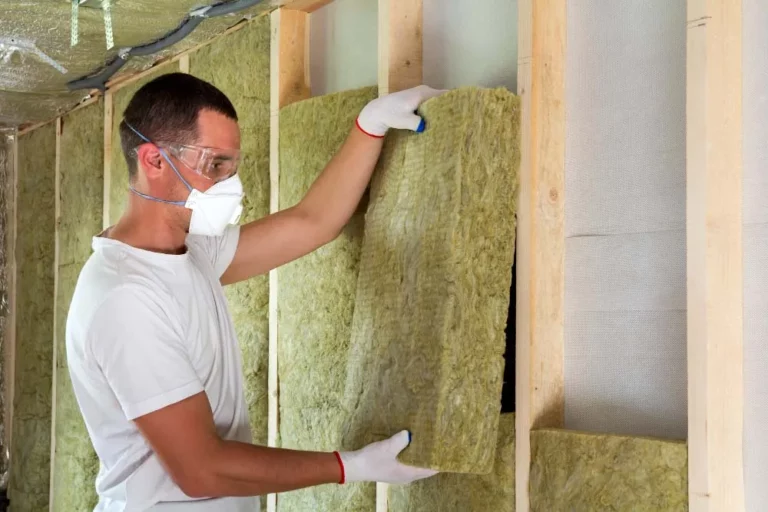
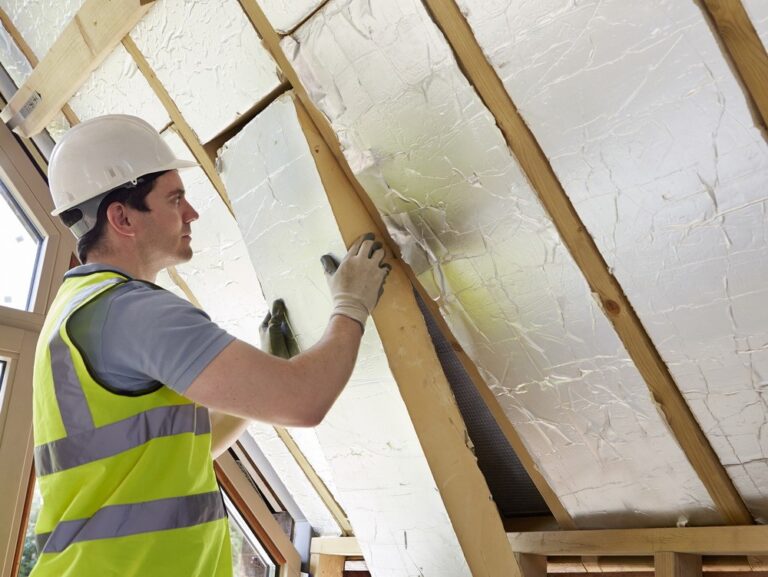
During the audit, experts assess insulation, air sealing, heating and cooling systems, and more to determine where energy is being lost. Based on findings, a customized plan is created to address these issues with ENERGY STAR-certified solutions. Qualifying improvements may include enhanced insulation, upgraded HVAC systems, and sealing of leaks.
Importantly, the program not only identifies problems but also provides access to rebates and financing to make upgrades affordable.
Key Benefits of the Program for Homeowners
Energy audits alone can uncover inefficiencies, but the PSEG program goes further with integrated solutions. Here’s how it benefits homeowners:
-
Lower Utility Bills: By sealing leaks and improving insulation, homeowners can significantly cut heating and cooling costs.
-
Improved Indoor Comfort: No more cold drafts or uneven room temperatures. Upgrades lead to more stable indoor climates.
-
Better Indoor Air Quality: Air sealing and ventilation enhancements help reduce dust, allergens, and pollutants.
-
Increased Home Value: Energy-efficient upgrades make properties more attractive to buyers and reduce long-term maintenance.
-
Environmental Impact: Using less energy means a smaller carbon footprint, contributing to a more sustainable future.
The Role of ENERGY STAR in the Program
ENERGY STAR is a nationally recognized certification symbol for energy-efficient products and practices. In this program, ENERGY STAR-certified contractors and products ensure that all upgrades meet strict efficiency and quality standards.
By leveraging ENERGY STAR guidelines, homeowners can trust the integrity of assessments and the performance of recommended improvements. This partnership ensures a credible, transparent process from audit to completion.
Real-World Examples of Related Products and Use Cases
1. Attic Insulation Upgrades
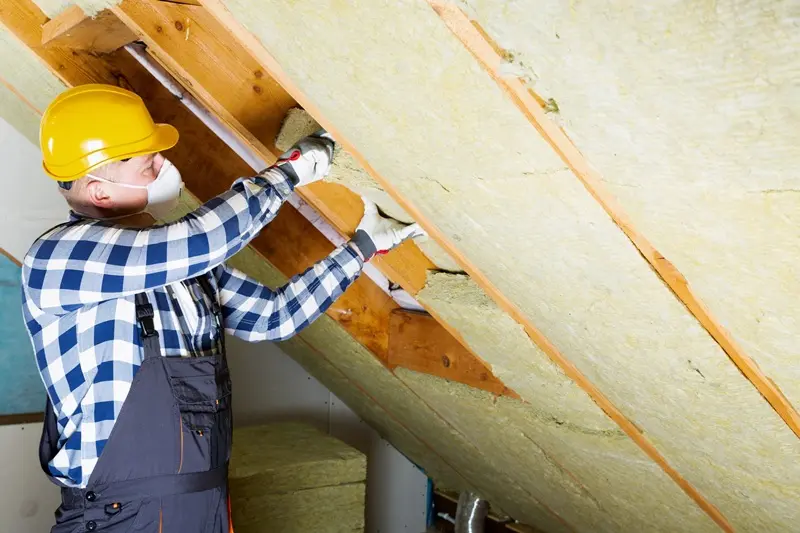
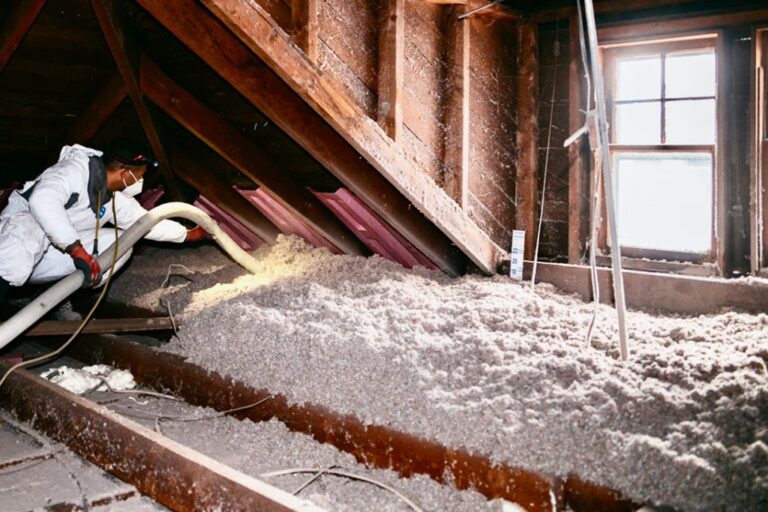
One of the most common improvements through this program is the enhancement of attic insulation. Homes with insufficient insulation lose significant heat during winter and absorb excess heat in summer. By upgrading attic insulation with ENERGY STAR-approved materials, homeowners can prevent heat loss and reduce HVAC strain.
These upgrades not only enhance indoor comfort but also decrease reliance on heating systems, leading to notable savings on energy bills, especially during extreme temperatures.
2. High-Efficiency Furnace Replacement
Many older homes rely on outdated and inefficient furnaces. A common outcome of the PSEG assessment is the recommendation to upgrade to a high-efficiency, ENERGY STAR-certified furnace. These models use advanced heat exchangers and smart thermostats to deliver heat efficiently while consuming less fuel.
Homeowners report smoother temperature control, lower fuel usage, and quieter operations post-upgrade, making the switch highly worthwhile.
3. Blower Door Testing for Air Leakage
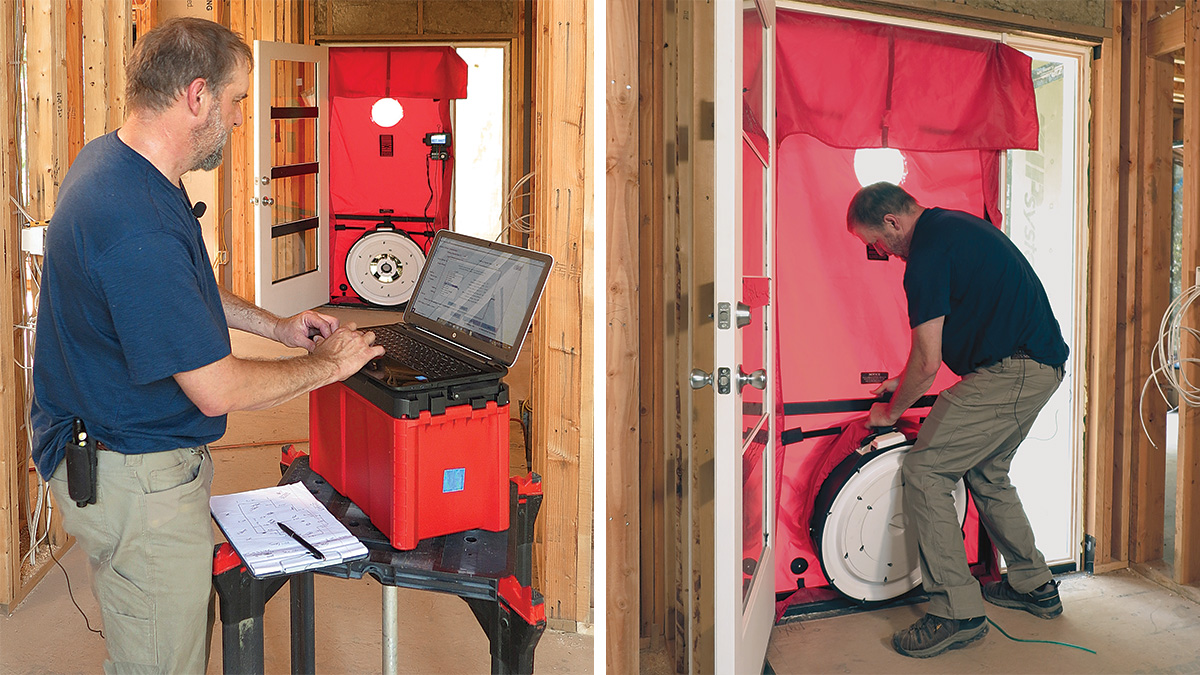
During the initial home assessment, contractors often use a blower door test to detect where air is leaking from the home envelope. These leaks are usually found around windows, doors, attics, and crawl spaces. Sealing them significantly reduces drafts and boosts overall comfort.
This method is especially valuable because it diagnoses invisible problems that lead to energy waste, allowing for targeted, cost-effective upgrades.
4. Ductless Mini-Split Installation
In cases where a central HVAC system is inefficient or impractical, a ductless mini-split system can be an ideal alternative. ENERGY STAR mini-splits offer zoned climate control without the loss of energy through ducts.
They’re great for additions, basements, or older homes and are often recommended during the audit process for their efficiency and installation flexibility.
5. Smart Thermostat Integration
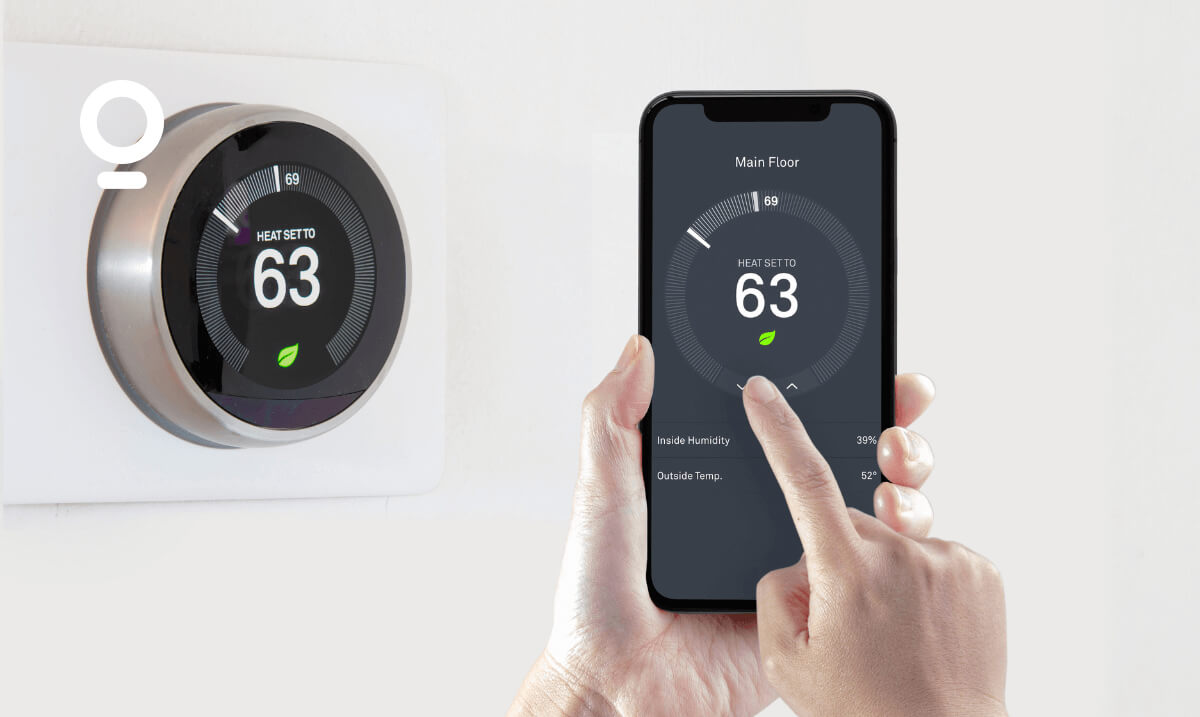
As part of the home performance upgrade, many homeowners choose to install ENERGY STAR-certified smart thermostats. These devices learn user preferences and adjust heating and cooling accordingly. They also offer scheduling and remote control features that minimize unnecessary energy use.
Smart thermostats complement HVAC upgrades and allow users to manage their systems intelligently, resulting in extra savings and convenience.
Detailed Use Cases: How This Program Solves Real-Life Problems
Use Case 1: Reducing Cold Drafts and Uneven Room Temperatures
A family living in a 1950s home in New Jersey experienced uncomfortable winter drafts despite running the heat continuously. Through the PSEG Home Performance with ENERGY STAR program, an audit revealed poor insulation and major air leaks. After sealing and insulation improvements, the home maintained steady temperatures, and energy bills dropped by 30%.
Use Case 2: Tackling High Summer Cooling Costs
A homeowner with an aging central air conditioning system faced skyrocketing summer bills. The energy audit recommended replacing it with a high-efficiency unit and sealing ducts. With these changes, not only were bills reduced, but the system also cooled the home faster and more evenly.
Use Case 3: Improving Air Quality for a Child with Allergies
A parent sought help through the program because their child had year-round allergies. The audit found poor ventilation and high indoor humidity. Upgrades included a dehumidifier, proper ventilation fans, and sealing gaps. This resulted in noticeable improvements in indoor air quality and the child’s health.
Expanded Benefits of the Program and Technology
The integration of ENERGY STAR-certified technologies into a home offers benefits far beyond financial savings:
-
Sustainability: Every kilowatt saved reduces dependence on fossil fuels and lowers greenhouse gas emissions.
-
System Longevity: Efficient systems operate under less strain, reducing wear and extending their usable life.
-
Customized Solutions: Unlike one-size-fits-all programs, this initiative tailors recommendations to each home’s specific needs.
-
Educational Value: Homeowners become more energy-aware and empowered to maintain efficient practices.
-
Eligibility for Rebates: Although we don’t discuss purchasing, participants may qualify for financial incentives for choosing energy-efficient improvements.
Who Can Benefit from the Program?
This program is ideal for:
-
Homeowners with high utility bills
-
Residents in older homes with outdated HVAC or poor insulation
-
Families experiencing uncomfortable indoor conditions
-
Eco-conscious homeowners seeking to lower their carbon footprint
-
Anyone planning a major home upgrade is seeking guidance and assurance
Frequently Asked Questions
Q1. What does the home energy assessment include?
The energy assessment involves a thorough inspection of your home’s insulation, heating/cooling systems, ventilation, and potential air leaks. Tests like blower door and infrared scans may be used to identify inefficiencies and prioritize improvement areas.
Q2. Is the PSEG Home Performance with ENERGY STAR program available to renters?
This program primarily targets homeowners because it involves structural changes to the property. Renters can speak to landlords about enrolling the property, especially if they plan on long-term occupancy.
Q3. Do I have to upgrade everything recommended in the audit?
No, homeowners can choose which improvements to pursue based on their budget and priorities. However, the more comprehensive the upgrades, the greater the potential savings and benefits.