Top Multifamily Developers: Industry Leaders Transforming Residential Real Estate
In the rapidly evolving world of real estate, top multifamily developers are setting new standards for housing innovation, community development, and sustainable growth. These companies aren’t just constructing apartment buildings—they’re reshaping cities, meeting critical housing demands, and integrating cutting-edge technologies that define the future of residential living.
This comprehensive guide explores who the top multifamily developers are, what makes them industry leaders, how they implement technology at scale, and how their developments directly solve some of the most pressing real-world challenges. Whether you’re a real estate professional, an investor, or simply curious about how housing gets built at scale, understanding the role of these developers is essential.
What Defines a Top Multifamily Developer?
Top multifamily developers are distinguished by their project scale, innovation, market reach, and the ability to deliver high-quality housing across various demographics. These firms typically manage large portfolios, operate in multiple major cities, and have the expertise to develop everything from luxury high-rises to mixed-income communities.
Their projects often involve complex planning, public-private partnerships, environmental compliance, and integration of smart technologies. More importantly, their work helps address housing shortages, urban density, and sustainable urban planning.
Characteristics of Leading Multifamily Developers
These developers stand out due to their:
-
National or international presence
-
Volume of units delivered annually
-
Strategic use of PropTech and green building standards
-
Experience with affordable housing and transit-oriented developments
-
Long-term community engagement and asset management
Their ability to consistently deliver value to both investors and residents places them at the forefront of real estate development.
How Technology Drives Innovation in Multifamily Development
Top multifamily developers harness technology to streamline planning, reduce costs, enhance sustainability, and improve tenant satisfaction. Here’s how innovation empowers their operations:
Building Information Modeling (BIM)
BIM enables seamless collaboration among architects, engineers, and contractors. It creates data-rich, 3D models that detect design conflicts before construction begins. BIM reduces project delays, ensures quality control, and optimizes space utilization.
Smart Apartment Features
Developers increasingly offer smart units equipped with keyless access, intelligent thermostats, leak detection, and voice-activated lighting. These features boost tenant appeal while lowering utility usage and long-term maintenance costs.
PropTech for Asset and Tenant Management
Top firms employ property management software that automates leasing, maintenance requests, rent collection, and data analytics. This leads to smoother operations, quicker tenant response times, and better decision-making at the portfolio level.
Green Building and Energy Efficiency
Sustainability is no longer optional. Developers use energy-efficient HVAC systems, solar panels, green roofs, and recycled construction materials to meet LEED or WELL standards. These practices enhance environmental impact and attract ESG-minded investors.
Real-World Examples of Top Multifamily Developers
Let’s examine some real-world developers and the impactful projects they’ve delivered across the U.S.
1. Greystar – The Global Giant
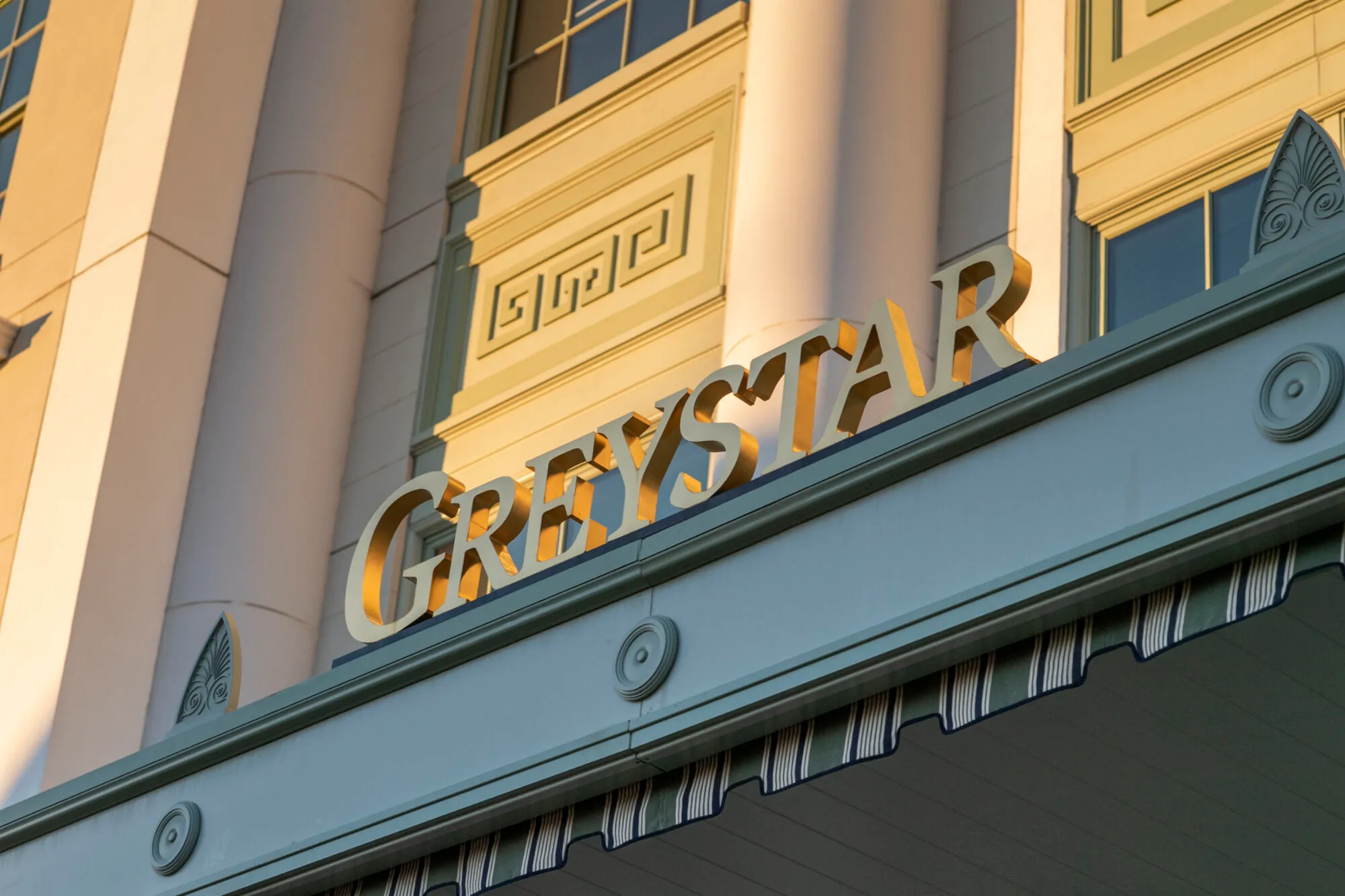
Greystar is widely considered the largest and most influential multifamily developer in the world. Its portfolio includes luxury apartments, student housing, and build-to-rent communities. One of its standout projects, “Elan Union Market” in Washington, D.C., features tech-enabled apartments with rooftop amenities and LEED-certified design.
Relevance: Greystar exemplifies scale and innovation, delivering thousands of units annually while adapting to regional demands.
2. Related Companies – Urban Visionaries
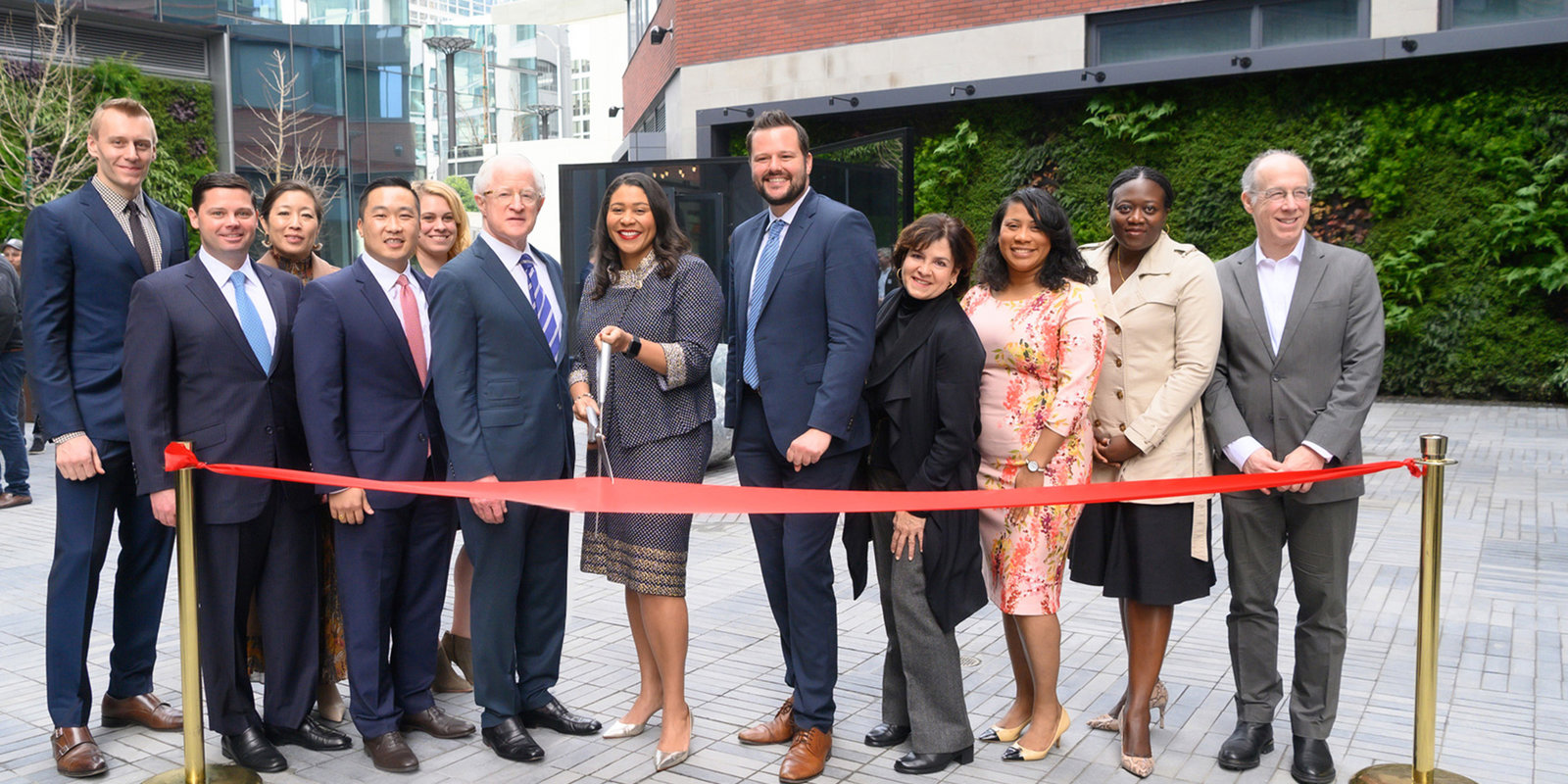
Related is known for transformational developments like Hudson Yards in New York. Their multifamily projects integrate luxury living, retail, culture, and green space. The firm places high emphasis on smart city technologies and sustainability.
Relevance: Related demonstrates how top developers influence entire neighborhoods through mixed-use urban placemaking.
3. AvalonBay Communities – Transit-Oriented Builders
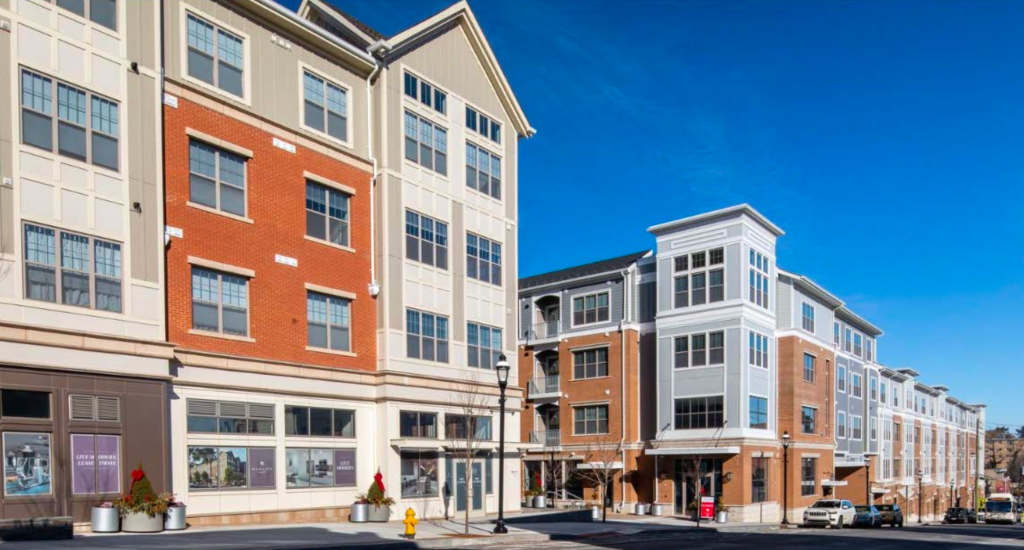
AvalonBay focuses on high-demand metropolitan regions like California and the Northeast. One project, “Avalon North Station” in Boston, offers apartments with panoramic views, coworking areas, and a fitness center—all located adjacent to public transit.
Relevance: Their developments promote sustainability through proximity to transportation and integration of community-friendly amenities.
4. Mill Creek Residential – Boutique Innovation at Scale.
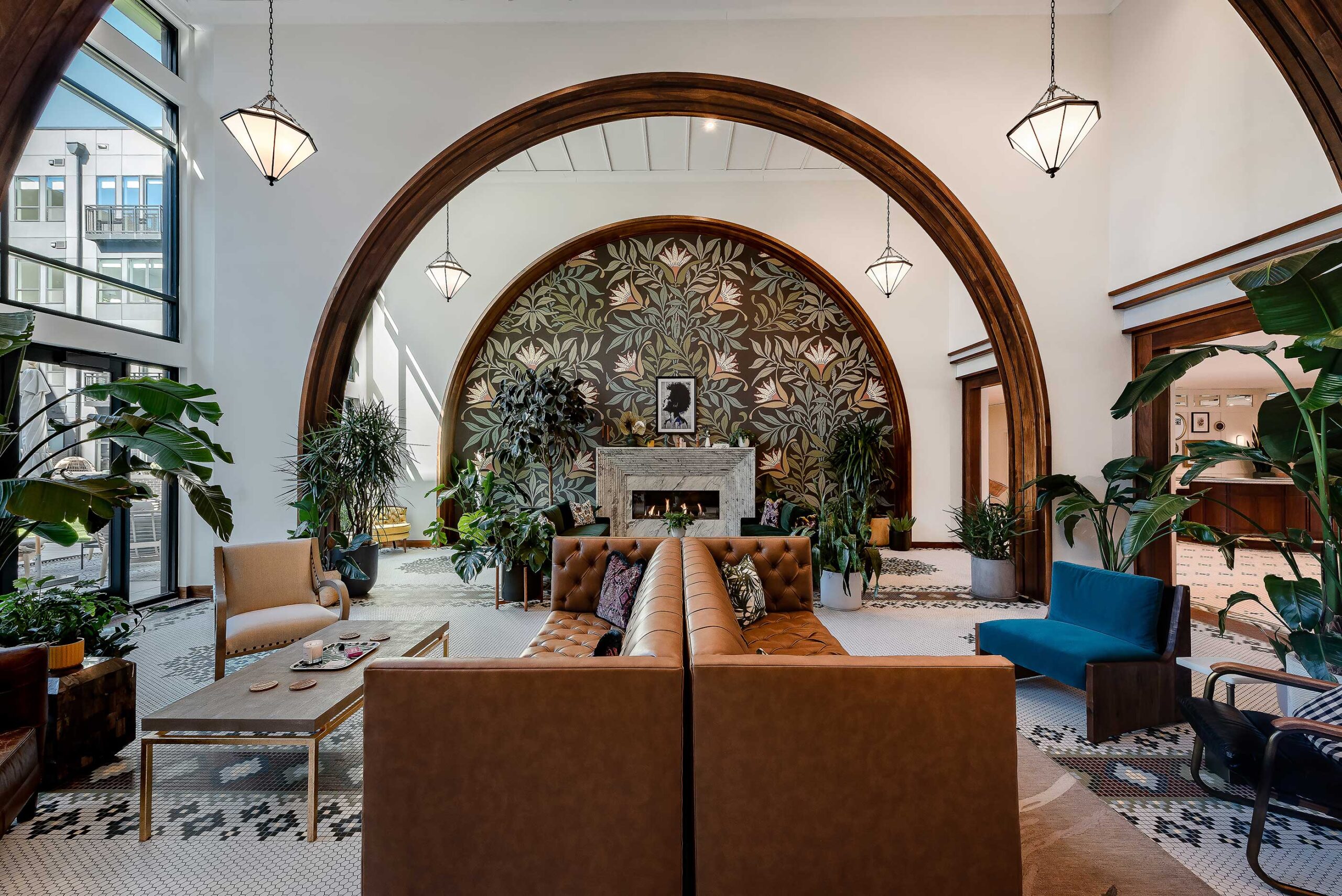
Operating under the “Modera” brand, Mill Creek specializes in upscale, tech-forward apartment communities. “Modera Midtown” in Atlanta features smart home integrations, pet spas, and energy-efficient design, offering a blend of luxury and innovation.
Relevance: Mill Creek showcases how thoughtful design and user experience can be consistently scaled across markets.
5. Bozzuto – Community-Centric Living
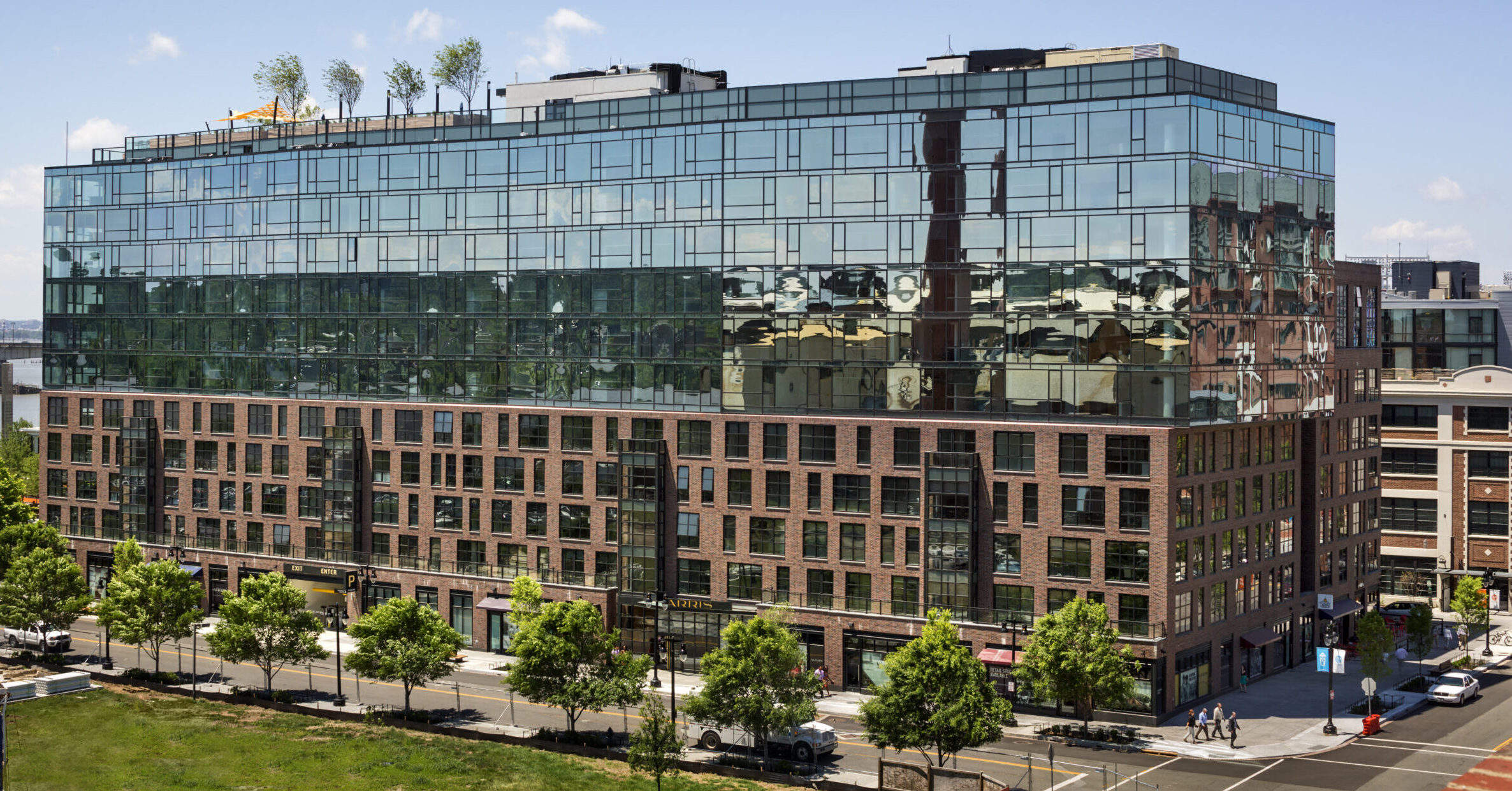
Bozzuto focuses on mixed-income, community-based developments. A recent project in Maryland—“Union Wharf”—integrates modern waterfront apartments with local retail, green space, and community programming.
Relevance: Bozzuto demonstrates that top developers can balance profitability with social impact and livability.
Benefits of Working with or Learning from Top Multifamily Developers
Whether you’re a city planner, investor, or aspiring developer, understanding the advantages brought by top multifamily firms reveals their broader impact on society and real estate trends.
Rapid and Scalable Housing Solutions
Top developers have the infrastructure and capital to deploy large projects quickly, which is essential in housing-constrained markets. Their presence helps stabilize rent increases by adding supply at scale.
Integrated Living and Working Spaces
Modern developments by top firms often include co-working areas, wellness zones, and smart home features, creating live-work-play environments that meet modern lifestyle demands.
Quality Assurance and Design Consistency
These companies work with renowned architects and use proven construction methods, ensuring consistent quality and long-term durability across properties.
Economic and Local Job Creation
Large developments generate thousands of jobs, from construction to maintenance to retail. They also uplift surrounding property values and support local businesses through increased foot traffic.
Use Cases: Problems Solved by Top Multifamily Developers
Top developers don’t just build—they provide real-world solutions to major societal challenges. Here’s how:
Use Case 1: Mitigating Housing Shortages in Growing Cities
In booming cities like Austin and Charlotte, population growth has far outpaced housing supply. Developers like Trammell Crow and Greystar respond with large-scale communities that offer immediate relief to strained rental markets.
Use Case 2: Providing Workforce and Affordable Housing
Some top developers partner with municipalities to include workforce or income-restricted units within larger luxury developments. This creates economically diverse communities while meeting affordable housing mandates.
Use Case 3: Revitalizing Underutilized Land
Old warehouses, industrial sites, and parking lots are being transformed into vibrant residential communities by firms like Related or Bozzuto, often with integrated parks and public amenities.
Use Case 4: Promoting Sustainable Urban Growth
Transit-oriented developments (TODs) reduce reliance on cars, cut emissions, and promote walkability. Developers like AvalonBay specialize in creating such communities near metro stations or downtown cores.
Use Case 5: Responding to New Lifestyle Trends
Post-pandemic renters want outdoor access, home offices, fitness centers, and contactless living. Top developers have adapted quickly, redesigning spaces to accommodate hybrid work and wellness-focused lifestyles.
Frequently Asked Questions
Q1. Who are considered the top multifamily developers in the U.S.?
Major names include Greystar, Related Companies, AvalonBay Communities, Mill Creek Residential, Bozzuto, and Trammell Crow Residential. These firms are recognized for their scale, innovation, and consistent delivery of high-quality housing.
Q2. How do top multifamily developers use technology in their projects?
They leverage tools like BIM for design accuracy, PropTech for property management, and smart devices for energy efficiency and tenant convenience. Technology enhances both operational efficiency and resident experience.
Q3. Do top developers only build luxury apartments?
No. While many projects are high-end, several developers also focus on mixed-income housing, workforce accommodations, and affordable communities, often as part of public-private partnerships or inclusionary zoning efforts.