Real Estate Development Branding: Building Identity, Trust, and Market Impact
In the competitive world of real estate, standing out goes beyond architectural design and location. Real estate development branding plays a crucial role in how projects are perceived by investors, buyers, tenants, and communities. A strong brand elevates trust, defines identity, and ultimately drives demand.
This in-depth guide explores the meaning, purpose, and impact of branding in real estate development. We’ll dive into the strategic principles behind successful branding efforts, explore real-world examples from industry leaders, examine how technology supports branding initiatives, and understand why it’s indispensable for modern development success.
What Is Real Estate Development Branding?
Real estate development branding is the strategic process of crafting and communicating the identity of a property, development firm, or project. It includes visual elements like logos, color schemes, and signage—but also deeper aspects such as mission, values, audience positioning, storytelling, and emotional appeal.
For developers, branding is no longer an optional design flourish. It is a business-critical function that influences perception across stakeholders—from city councils to condo buyers, from leasing agents to real estate investors.
Key Components of a Real Estate Development Brand
Effective branding includes multiple layers:
-
Name and Logo – Memorable, relevant, and professionally designed to reflect the essence of the development.
-
Visual Identity – Cohesive use of typography, imagery, color palette, and signage across physical and digital platforms.
-
Voice and Messaging – Clear and consistent communication tone across all customer touchpoints, including websites, brochures, and social media.
-
Storytelling and Positioning – The unique narrative that defines the project’s value, mission, and role in the local community.
-
Experience Design – Branding that extends to the way customers interact with the development, from discovery to closing and move-in.
The Role of Branding in Real Estate Success
Branding transforms real estate from a physical commodity into an emotional and aspirational product. In a crowded market, developers must differentiate their properties not only through pricing or features, but also through identity and lifestyle promise.
A well-developed brand can:
-
Accelerate pre-sales and leasing velocity
-
Command premium pricing
-
Enhance investor appeal
-
Build lasting trust with the local community
-
Support scalability for future developments under a unified identity
Branding for Different Types of Developments
Whether it’s a luxury condo tower, an affordable housing complex, or a master-planned suburban community, each development type requires a tailored branding strategy. Luxury brands might emphasize exclusivity and design, while community housing projects focus on inclusivity and sustainability.
Successful developers invest in brand strategy from the very beginning—before permits are secured or shovels hit the ground.
Technology’s Role in Real Estate Development Branding
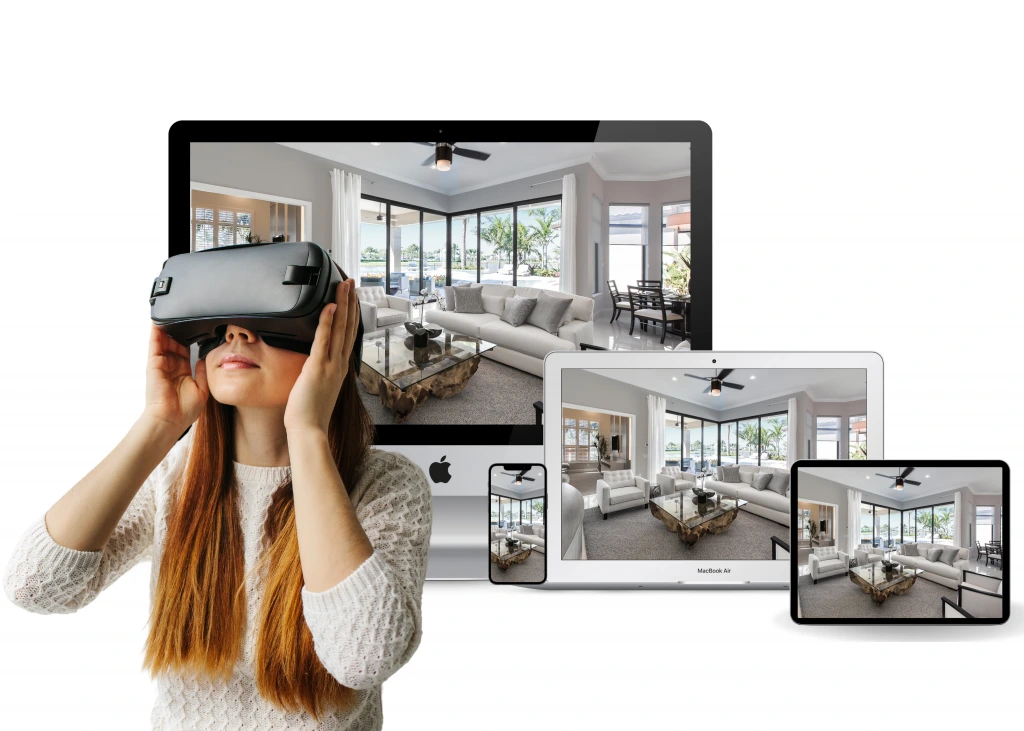
Digital tools are reshaping how developers build, present, and evolve their brands. Technology enables consistency, scalability, and data-driven insights in brand building.
Virtual Renderings and Interactive Tours
3D visualization platforms allow developers to showcase branded environments long before construction is completed. Potential buyers or tenants can explore a branded experience through interactive floor plans, virtual staging, and immersive walkthroughs—all reinforcing the emotional connection to the brand.
Custom Microsites and Branded Portals
Instead of listing properties on generic platforms, developers create custom-branded websites or microsites. These platforms host key branding elements—like photography, messaging, floorplans, and neighborhood insights—creating a curated brand experience.
CRM and Automation
Brand consistency is amplified through automated email campaignslead-nurturingng systems, and branded communication templates. CRM platforms help personalize branded content and ensure each client touchpoint aligns with the overall brand strategy.
Social Media and Content Marketing
Developers use platforms like Instagram, LinkedIn, and YouTube to share the brand story through short videos, community updates, testimonials, and behind-the-scenes content. This builds trust, showcases transparency, and reinforces positioning.
Real-World Examples of Successful Real Estate Development Branding
These real-world branding examples reveal how top developers and agencies use branding to shape market perception and long-term value.
1. Hudson Yards (Related Companies) – A City Within a City
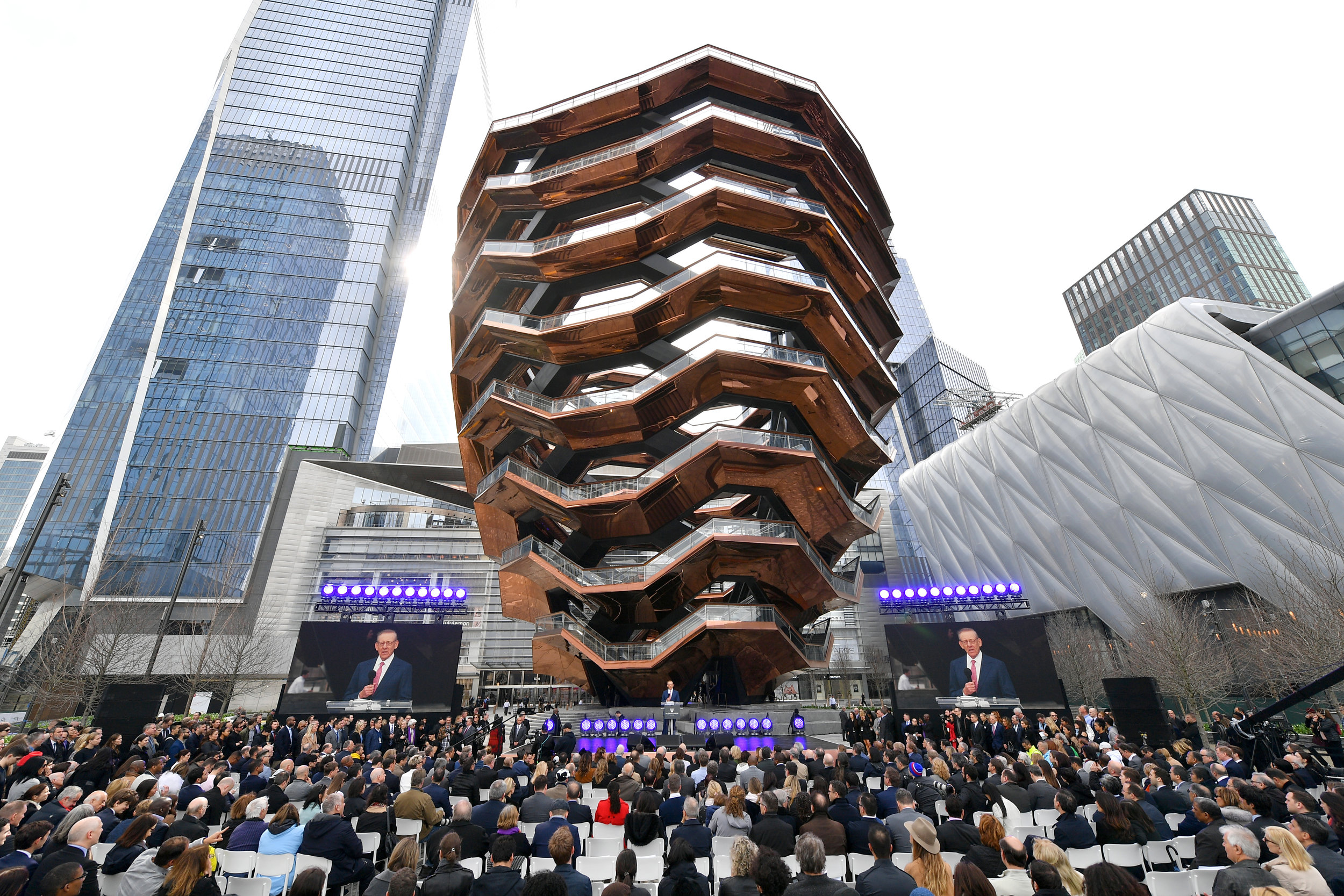
Hudson Yards in New York City is one of the most ambitious real estate projects in the world. Its branding focused on creating a futuristic, interconnected lifestyle hub. The project identity used sleek design, elegant typography, and immersive marketing campaigns to convey luxury, innovation, and exclusivity.
Relevance: The branding established Hudson Yards not just as real estate, but as a lifestyle brand and cultural destination.
2. The Wharf (Hoffman-Madison Waterfront) – Waterfront Reimagined
The Wharf in Washington, D.C. blends residential, commercial, retail, and cultural spaces along the Potomac River. Branding was centered on community, arts, and waterfront vibrancy. Visual identity included nautical themes, warm color palettes, and experiential marketing to attract locals and tourists alike.
Relevance: The brand built an emotional connection through place-making and lifestyle immersion.
3. MODERA by Mill Creek – Scalable Lifestyle Branding
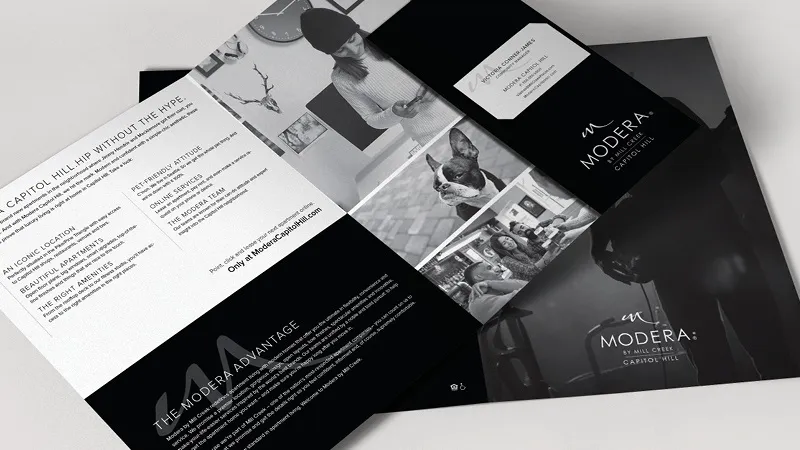
Mill Creek Residential’s MODERA brand is used across multiple urban apartment communities. Each development retains local flair but follows consistent brand architecture—modern logos, youthful design, and tech-friendly messaging.
Relevance: MODERA demonstrates how a scalable brand can support growth across diverse geographic markets while maintaining consistency.
4. Carmel Partners – Architectural Identity
Carmel Partners emphasizes architecture as the core of their branding. Their developments across California and New York feature bold modernist designs. Brand identity supports this focus through minimalist marketing, architect-led storytelling, and premium finishes.
Relevance: Shows how architecture and brand strategy can be integrated for maximum impact.
5. FivePoint – Master-Planned Community Branding
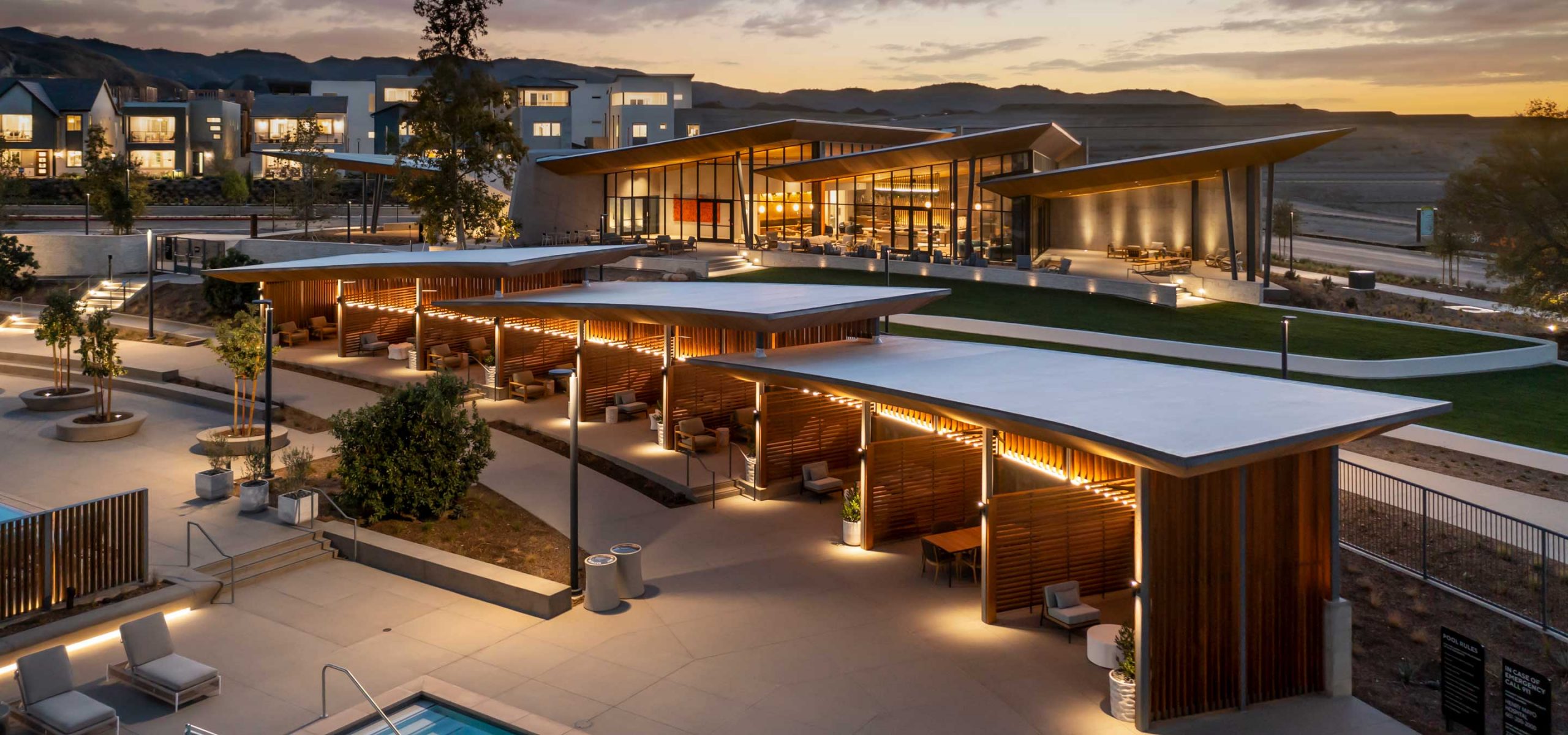
FivePoint creates entire cities, such as Valencia and Great Park Neighborhoods in California. Their branding focuses on sustainability, education, health, and family. Materials include community maps, school data, green living content, and storytelling about future-forward communities.
Relevance: Highlights how branding large-scale communities must speak to values, family, and long-term investment in lifestyle.
Benefits of Effective Real Estate Development Branding
Strong branding is not just a marketing tool—it’s a strategic advantage across the development lifecycle.
Enhancing Perceived Value
A well-crafted brand increases perceived value, even when the physical product is similar to competitors. Visual presentation, storytelling, and emotional resonance allow developments to command premium pricing and attract higher-quality tenants or buyers.
Speeding Up Sales and Lease-Up
Branding that connects quickly with the target audience accelerates absorption rates. Clear messaging, appealing visuals, and strategic positioning reduce the need for aggressive pricing or discounts.
Building Long-Term Trust and Reputation
A recognizable and respected brand creates trust with future partners, municipalities, and investors. Developers can launch new projects with the brand’s credibility already established, leading to smoother approvals and stronger community support.
Differentiating in Crowded Markets
Markets like Los Angeles, Miami, and New York are flooded with new developments. A distinctive brand identity makes a project memorable, reduces marketing waste, and drives better returns on advertising spend.
Practical Use Cases Solved by Development Branding
Branding solves real-world business problems beyond aesthetics. Here are several practical scenarios:
Use Case 1: Navigating Public Approval and Zoning
Developments often face community pushback. Branding that communicates transparency, social value, and sustainability can sway public opinion and improve outcomes in planning board meetings or town halls.
Use Case 2: Pre-Leasing During Construction
When a project is under construction, there’s no physical space to tour. Branding—through virtual experiences, lifestyle content, and digital storytelling—creates urgency and appeal even before units are built.
Use Case 3: Investor Relations and Funding
Institutional and private investors evaluate more than just financials—they want assurance that the development has market credibility. Strong branding communicates professionalism, foresight, and strong market fit, attracting capital.
Use Case 4: Portfolio Expansion
Developers with successful branding (like MODERA or Avalon) can expand into new regions more easily by leveraging their established identity and reputation, reducing the time it takes to gain traction in unfamiliar markets.
Use Case 5: Supporting Affordable or Mixed-Income Housing
Branding can reduce stigma and elevate mixed-income developments by focusing on community, wellness, or green living, rather than affordability alone. This helps achieve market-rate appeal while fulfilling inclusionary goals.
Frequently Asked Questions
Q1. What is the goal of real estate development branding?
The primary goal is to create a distinctive identity that resonates with the target audience, whether buyers, renters, investors, or the broader community. Branding shapes perception, builds trust, and supports the business objectives of the development.
Q2. How early should branding be developed during a project?
Branding should begin in the early planning phase—before construction starts. Early branding helps guide design decisions, marketing strategies, and public communications. It ensures consistency from concept to completion.
Q3. Is branding only important for luxury developments?
No. Branding is crucial across all development types—from affordable housing to senior living. A thoughtful brand creates connection and value, regardless of the price point, helping projects succeed in a competitive environment.