Understanding Home Performance: How Energy Efficiency Shapes Comfortable Living Spaces
Home performance is a holistic approach to evaluating and improving the energy efficiency, comfort, health, and safety of a home. Unlike isolated upgrades—such as replacing a furnace or installing new windows—home performance considers the entire house as a system. It combines diagnostics, expert recommendations, and building science to identify inefficiencies and implement strategic improvements.
Introduction to Home Performance
The concept originated from the need to reduce energy waste and utility bills while increasing indoor comfort. Today, home performance services are typically guided by energy audits, which assess how various components—like insulation, air sealing, ventilation, and HVAC systems—work together to maintain optimal indoor environments.
What Home Performance Includes
Home performance isn’t about a single appliance or fix. It is an integrated approach involving multiple home systems. The typical areas addressed in a home performance upgrade include:
-
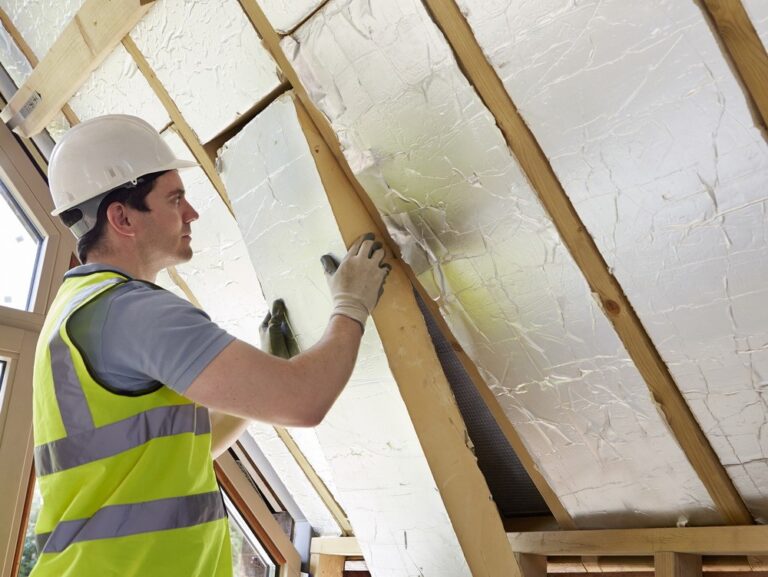
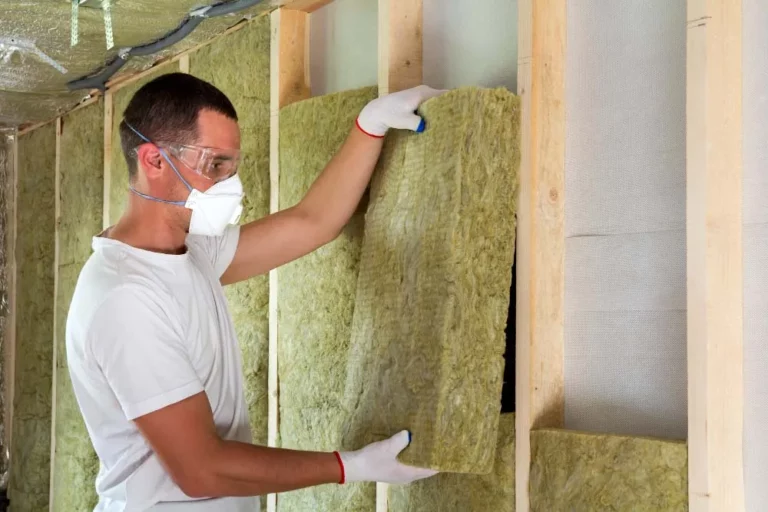
Air Sealing and Insulation: Reduces drafts and maintains indoor temperatures.
-
HVAC System Efficiency: Ensures heating and cooling units perform optimally.
-
Ventilation and Indoor Air Quality: Prevents mold, allergens, and indoor pollutants.
-
Lighting and Appliances: Lower energy consumption with modern, efficient alternatives.
-
Energy Audits: Identifies existing inefficiencies with thermal imaging, blower door tests, and duct inspections.
These components, when improved together, dramatically enhance how your home feels and functions.
Benefits of Improving Home Performance with Technology
Upgrading your home’s performance using modern technology provides both immediate and long-term advantages. Advanced tools and diagnostics allow for precise measurements and data-driven upgrades.
Energy audit technologies, for instance, use infrared imaging and blower door tests to detect energy leaks that aren’t visible to the naked eye. Smart HVAC systems and programmable thermostats now allow homeowners to monitor usage, detect inefficiencies in real-time, and automate temperature settings for maximum comfort and savings.
High-performance insulation materials like spray foam or cellulose not only enhance thermal protection but also contribute to soundproofing and indoor air quality. Modern ventilation systems with heat recovery (HRVs) or energy recovery ventilators (ERVs) can further optimize indoor conditions without wasting energy.
Collectively, these innovations make it easier and more cost-effective to live in a home that’s healthier, more comfortable, and environmentally responsible.
Real-World Examples of Home Performance Solutions
1. FLIR TG165-X Thermal Camera
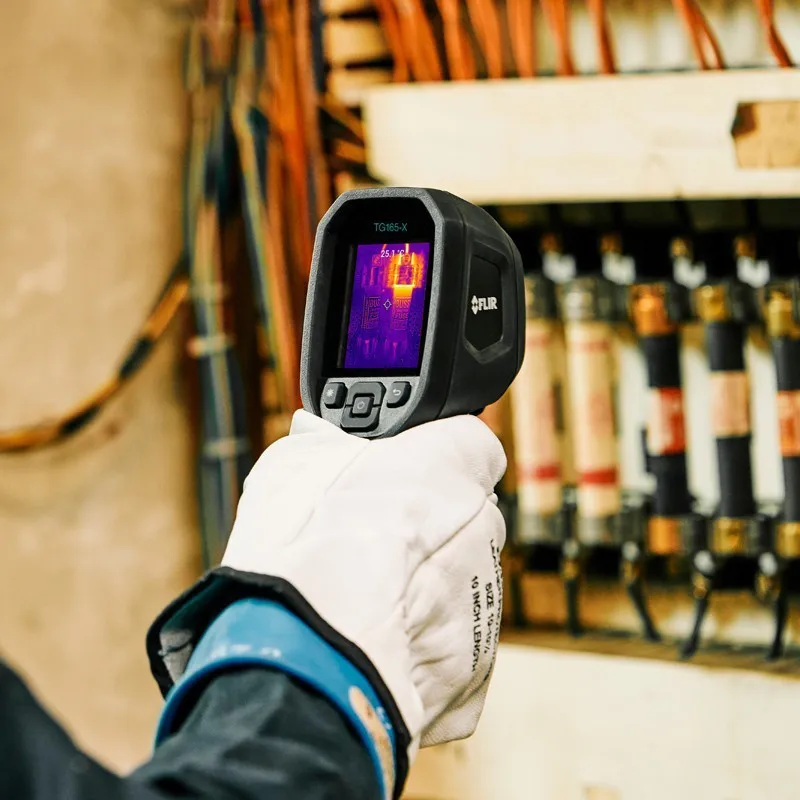
The FLIR TG165-X helps homeowners and professionals detect thermal leaks around windows, doors, walls, and ceilings. This device visualizes temperature differences that indicate air leaks or poor insulation. It’s frequently used during energy audits to pinpoint exactly where energy is being lost, which is essential for targeting upgrades efficiently.
By addressing areas identified with the thermal camera, homeowners can avoid random and unnecessary renovations. It’s a core tool in optimizing home performance by ensuring insulation and air sealing are applied precisely where needed.
2. Ecobee SmartThermostat with Voice Control

Ecobee’s smart thermostat isn’t just about temperature control. It incorporates occupancy sensors and connects with home automation systems, learning homeowner habits to optimize comfort and energy usage. It helps maintain consistent indoor temperatures, reducing strain on HVAC systems and saving energy when no one is home.
This device plays a crucial role in home performance by making heating and cooling systems more intelligent and responsive to real-world use, leading to better comfort and lower energy costs.
3. Spray Foam Insulation Solutions
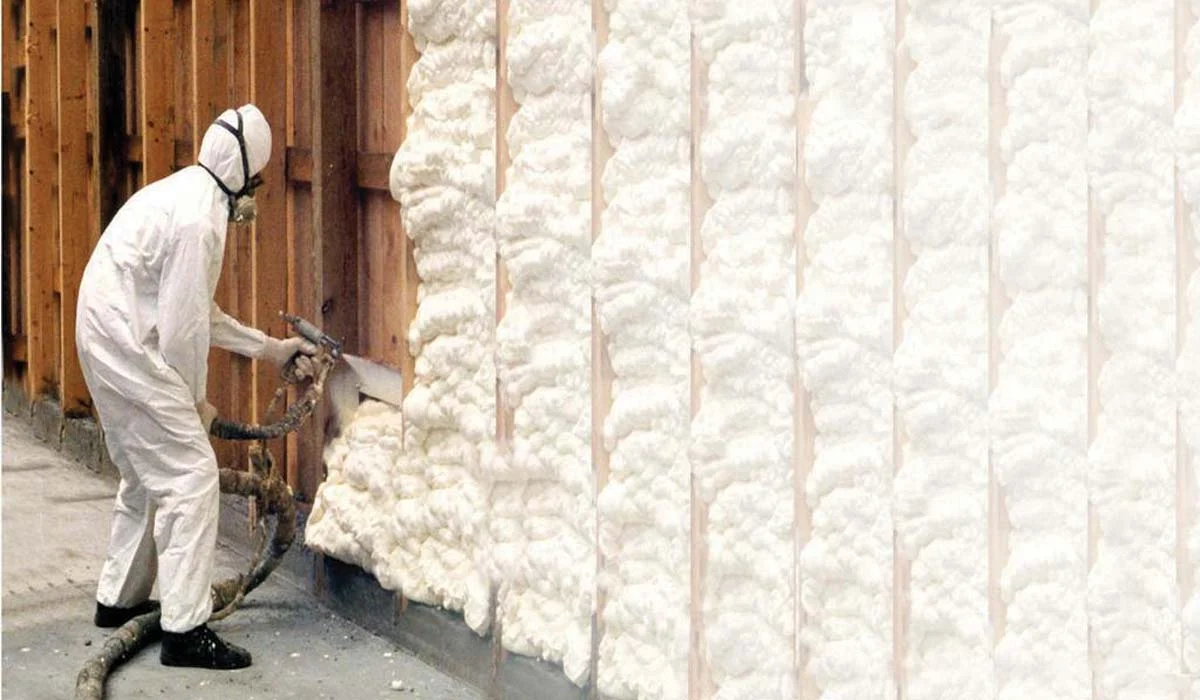
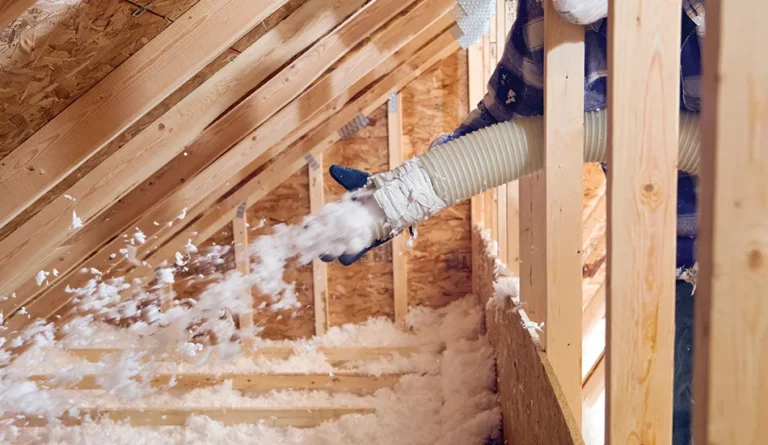
Spray foam insulation expands on contact to form a tight barrier against air leaks. Unlike traditional fiberglass insulation, it provides both R-value thermal resistance and air sealing in one step. This is especially effective in attics, crawlspaces, and wall cavities.
Used in home performance upgrades, spray foam helps maintain consistent indoor temperatures, reduces the workload on HVAC systems, and contributes to noise reduction. It is also resistant to mold and pests, enhancing the durability and health of your home.
4. Retrotec Blower Door System
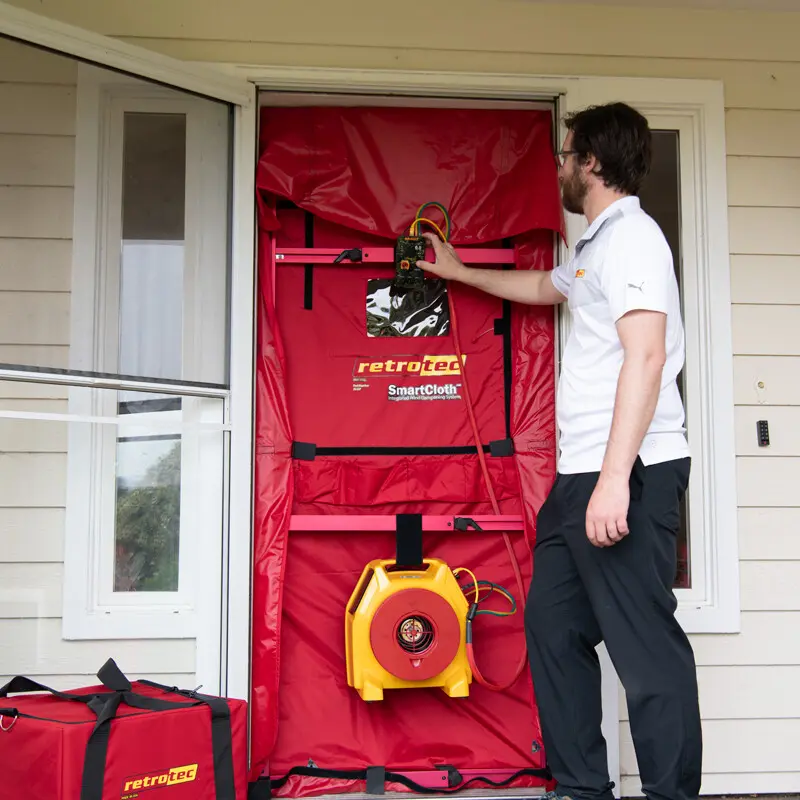
A blower door test is one of the most important diagnostic tools in a home performance assessment. It involves mounting a powerful fan into an exterior door frame to depressurize the home. This test reveals how leaky the house is and identifies problem areas like unsealed plumbing penetrations or hidden wall gaps.
Contractors and auditors use this test before and after upgrades to measure improvements in airtightness. Reducing air leakage lowers heating and cooling costs, and also enhances indoor air quality by controlling where and how outdoor air enters the home.
5. Panasonic Intelli-Balance ERV

Energy Recovery Ventilators (ERVs) maintain healthy indoor air by bringing in fresh air and expelling stale air, while transferring heat and moisture between airstreams. The Panasonic Intelli-Balance ERV is a compact, efficient model ideal for residential spaces.
ERVs are critical in tight, well-sealed homes where ventilation needs to be controlled. They help regulate humidity, reduce HVAC loads, and prevent indoor air pollution. In home performance upgrades, they ensure that improvements in insulation and sealing don’t come at the cost of air quality.
Practical Benefits of Upgrading Home Performance
A comprehensive home performance upgrade delivers significant and measurable benefits:
-
Lower Utility Bills: By sealing leaks and upgrading insulation, your home retains heat in winter and stays cooler in summer with less energy.
-
Enhanced Indoor Comfort: No more cold spots, drafts, or rooms that are too hot or too cold.
-
Improved Indoor Air Quality: Proper ventilation and moisture control reduce allergens, mold, and pollutants.
-
Reduced Environmental Impact: Efficient homes use less energy, contributing to lower greenhouse gas emissions.
-
Increased Home Value: Energy-efficient features are highly desirable in today’s real estate market.
These benefits are not just theoretical—they translate into real-world savings, better health, and improved quality of life.
Real-Life Use Cases and Problem-Solving
Case 1: Cold Bedrooms Despite High Heating Bills
Many older homes suffer from cold upstairs bedrooms during winter, despite a working furnace. This is often due to poor insulation in attic spaces or air leaks in the ductwork. A home performance audit identifies these issues. Once sealed and properly insulated, the home retains warmth evenly, reducing the strain on the furnace and cutting down energy costs.
Case 2: High Summer Cooling Bills
A homeowner notices that their air conditioner runs constantly in summer. A home performance assessment reveals that the home has insufficient attic insulation and leaky windows. By installing spray foam insulation and upgrading windows, the indoor temperature becomes stable, and the HVAC system no longer works overtime, cutting cooling costs significantly.
Case 3: Musty Smells and Allergy Symptoms
Poor indoor air quality can arise from inadequate ventilation. In this case, an ERV is installed as part of a home performance plan. Fresh air is introduced and moisture is managed, preventing mold growth and reducing allergens, making the indoor environment healthier for sensitive occupants.
Frequently Asked Questions
Q1. What is the difference between an energy audit and a home performance assessment?
An energy audit is a diagnostic tool that evaluates how energy is used and lost in a home. A home performance assessment is a broader evaluation that uses energy audit data but also considers comfort, indoor air quality, and the interaction between all building systems.
Q2. How long does it take to see results after a home performance upgrade?
Most homeowners notice immediate improvements in comfort and reductions in energy usage. Utility bill savings and improved air quality are typically apparent within the first few months, especially during peak heating or cooling seasons.
Q3. Can I improve home performance in stages?
Yes. Many homeowners begin with an energy audit and then prioritize upgrades based on budget and needs. Common starting points include sealing leaks, upgrading insulation, and improving ventilation. Over time, HVAC systems, windows, and smart thermostats can be added for further gains.