Home Energy Insulation: Everything You Need to Know to Improve Efficiency and Comfort
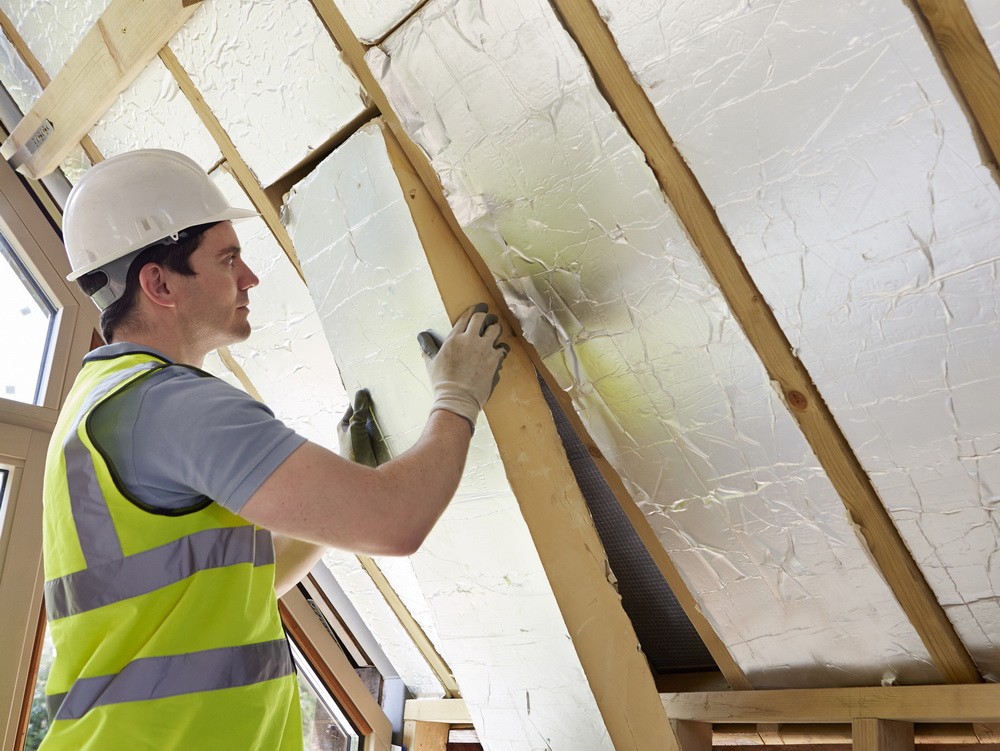
Home energy insulation refers to the materials and methods used to reduce heat transfer between the inside and outside of a building. Proper insulation minimizes energy loss, keeps your home comfortable year-round, and significantly lowers heating and cooling costs. It acts as a thermal barrier, slowing the movement of heat out of the home in winter and into the home during summer.
What Is Home Energy Insulation and Why Does It Matter
Insulation is not just for extreme climates—it’s essential in all regions to maintain temperature control, reduce the load on HVAC systems, and promote better indoor air quality. Whether it’s fiberglass batts in your attic or spray foam in your walls, insulation plays a vital role in creating an energy-efficient home.
How Home Energy Insulation Works
Insulation works by reducing the amount of heat that flows between the interior and exterior of your home. Heat naturally moves from warmer to cooler areas, and insulation slows this process. In winter, it prevents warm indoor air from escaping. In summer, it blocks outdoor heat from entering your home.
Thermal resistance is measured in R-values—the higher the R-value, the better the insulation’s ability to resist heat flow. Different areas of the home (attic, walls, floors, crawlspaces) require different types and amounts of insulation for optimal performance. Effective insulation works in combination with air sealing and ventilation to create a balanced and efficient thermal envelope.
Benefits of Using Modern Insulation Technology
Modern insulation materials and installation methods provide a range of advantages beyond basic temperature regulation:
-
Energy Savings: Homes with adequate insulation can reduce heating and cooling costs by up to 30% or more, depending on climate and house structure.
-
Improved Comfort: Eliminate cold drafts, hot spots, and uneven room temperatures, ensuring year-round comfort in every part of your home.
-
Noise Reduction: Insulation also serves as a sound barrier, dampening noise between rooms and from the outside.
-
Increased Property Value: Energy-efficient upgrades, including insulation, are highly desirable for future buyers and often raise resale value.
-
Moisture and Mold Resistance: Advanced insulation materials help control moisture buildup, reducing the risk of mold growth and indoor air quality issues.
-
Reduced Carbon Footprint: Using less energy contributes to fewer greenhouse gas emissions, supporting environmental sustainability goals.
Types of Insulation Commonly Used in Homes
There are several different types of insulation materials, each with specific applications and benefits:
-
Fiberglass Insulation: Made from fine glass fibers, it’s one of the most common types used in attics, walls, and crawlspaces. It’s available in batts, rolls, or loose-fill.
-
Spray Foam Insulation: Expands to fill gaps and provides an excellent air seal. Ideal for hard-to-reach places and maximizing energy efficiency.
-
Cellulose Insulation: Made from recycled paper products and treated for fire resistance, it’s an eco-friendly loose-fill material used in attics and walls.
-
Rigid Foam Boards: Often used in basements and exterior walls for high insulating value with a thin profile.
-
Mineral Wool (Rock Wool): Fire-resistant and moisture-resistant, it provides thermal and acoustic insulation benefits.
Each type has its pros and cons, and the best option often depends on your home’s construction, climate, and energy goals.
Real-World Product Examples and Use Cases
1. Closed-Cell Spray Foam for Wall Cavities
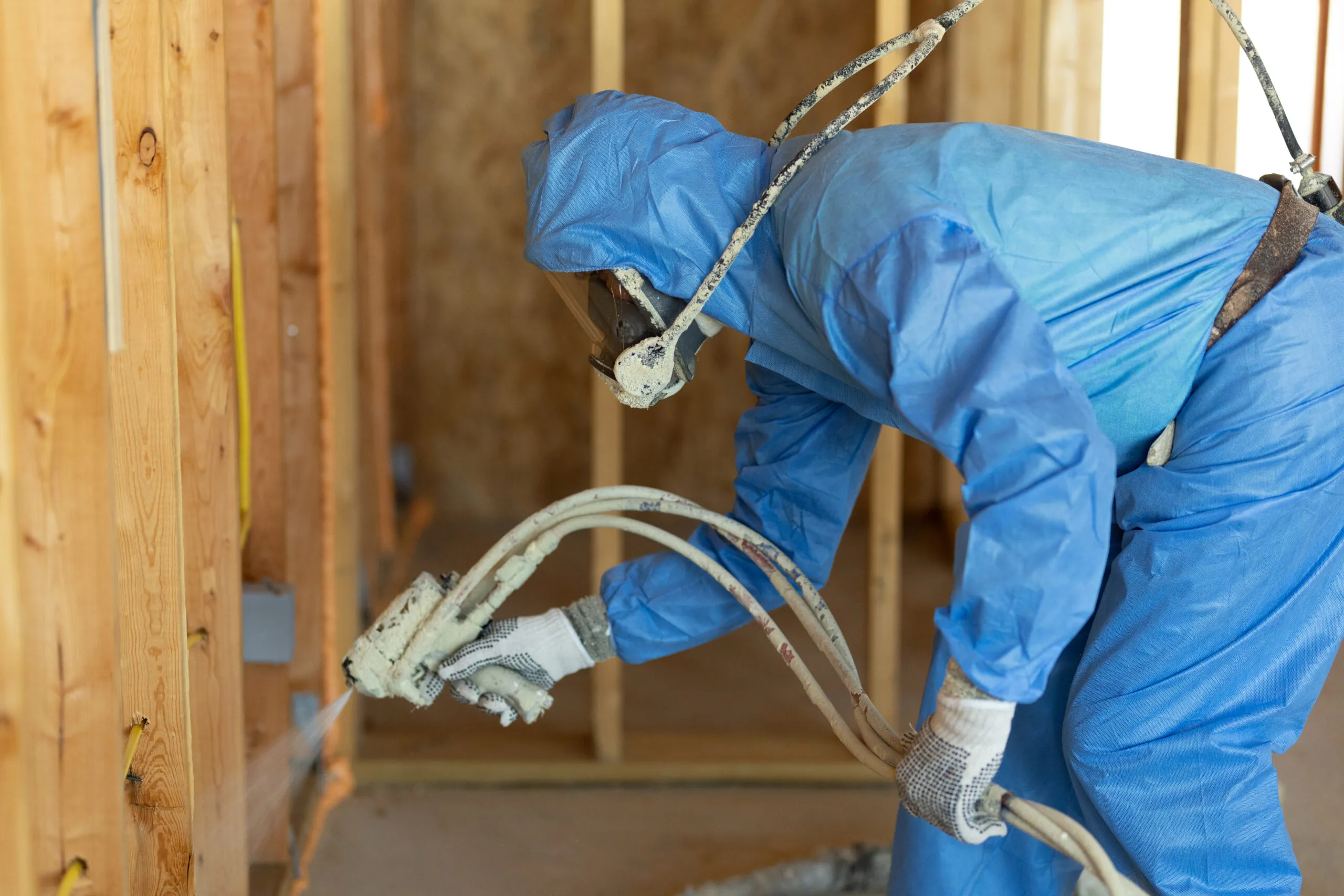
Closed-cell spray foam expands on application and forms an airtight seal that significantly reduces air infiltration. In a retrofit home with noticeable drafts, this solution was used to seal basement rim joists and wall cavities, improving both insulation and air sealing. It also added structural integrity to the building.
The result was a warmer, quieter home with reduced HVAC cycling and lower utility bills.
2. Blown-In Cellulose for Attic Insulation
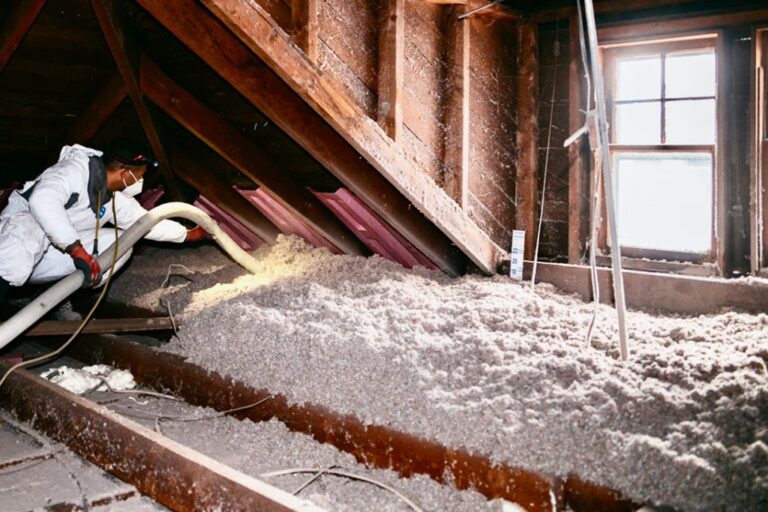
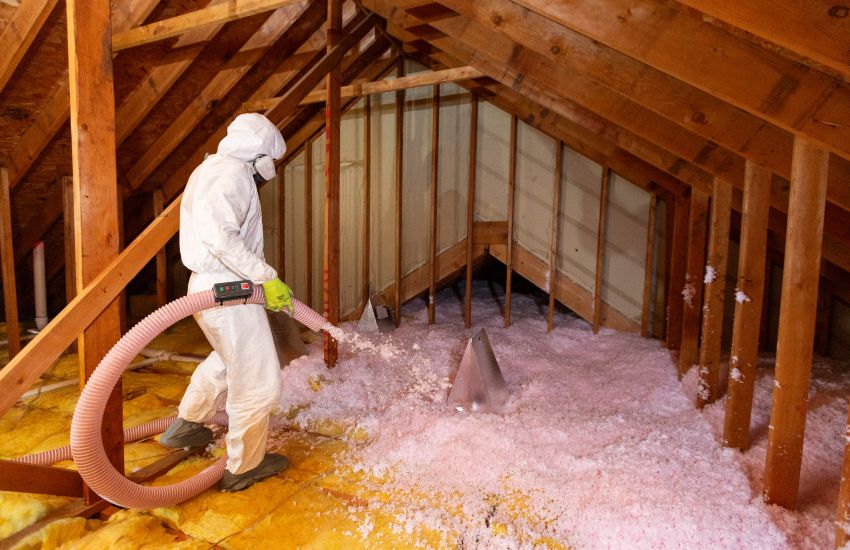
Cellulose insulation is commonly used in attics where existing insulation has settled or degraded. A two-story suburban home used blown-in cellulose to top up the attic to the recommended R-values. This eco-friendly solution not only increased thermal resistance but also filled small gaps and cavities better than fiberglass batts.
After the upgrade, the home maintained consistent indoor temperatures, and summer cooling costs dropped significantly.
3. Fiberglass Batts in Wall and Floor Insulation
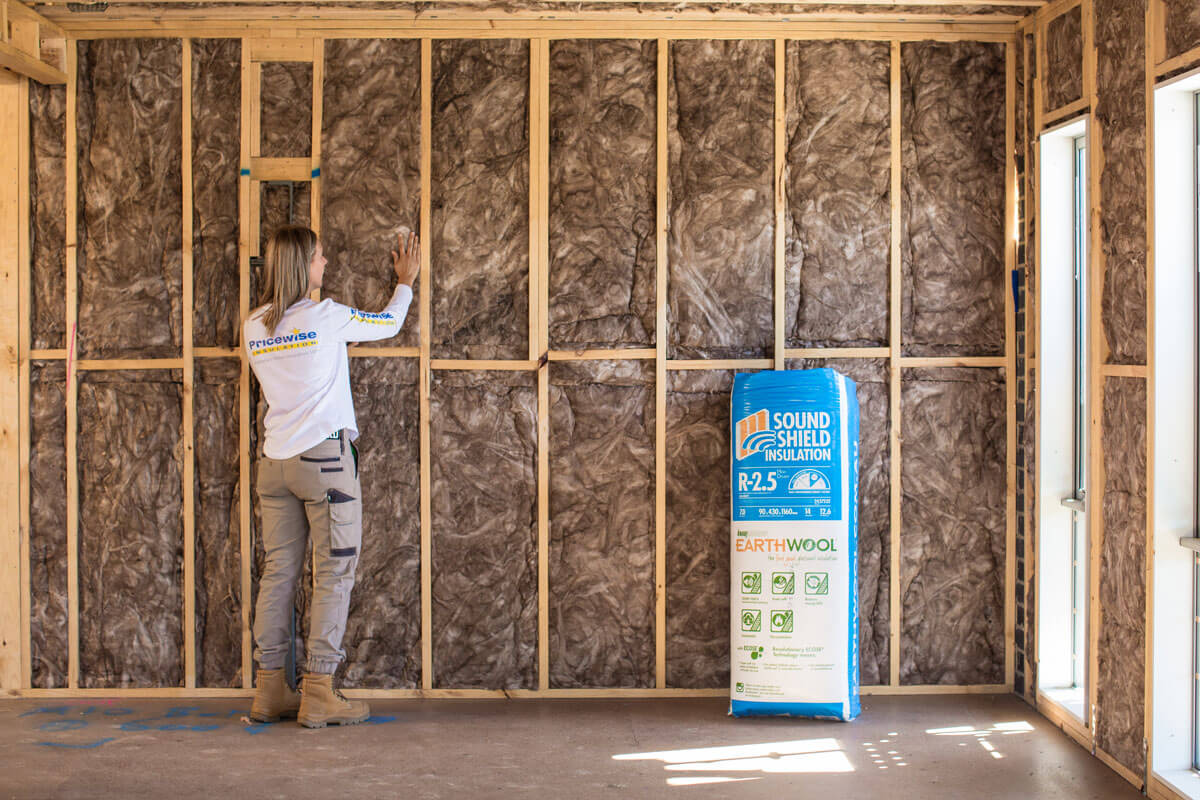
A newly constructed home in a mixed-climate zone used fiberglass batts throughout the walls and floors. The batts were selected for their affordability and ease of installation. The insulation ensured minimal temperature loss between floors and reduced external noise penetration from traffic.
This method also made it easier to meet building codes and inspections, while providing decent energy performance.
4. Rigid Foam Insulation in Basement Walls
Basements can be difficult to insulate due to moisture concerns. A homeowner installed rigid foam insulation boards against the basement walls before framing. This prevented condensation buildup and created a thermal barrier that kept the basement warmer during winter.
The solution turned a previously unusable space into a livable recreation room with stable conditions year-round.
5. Mineral Wool for Acoustic and Thermal Insulation
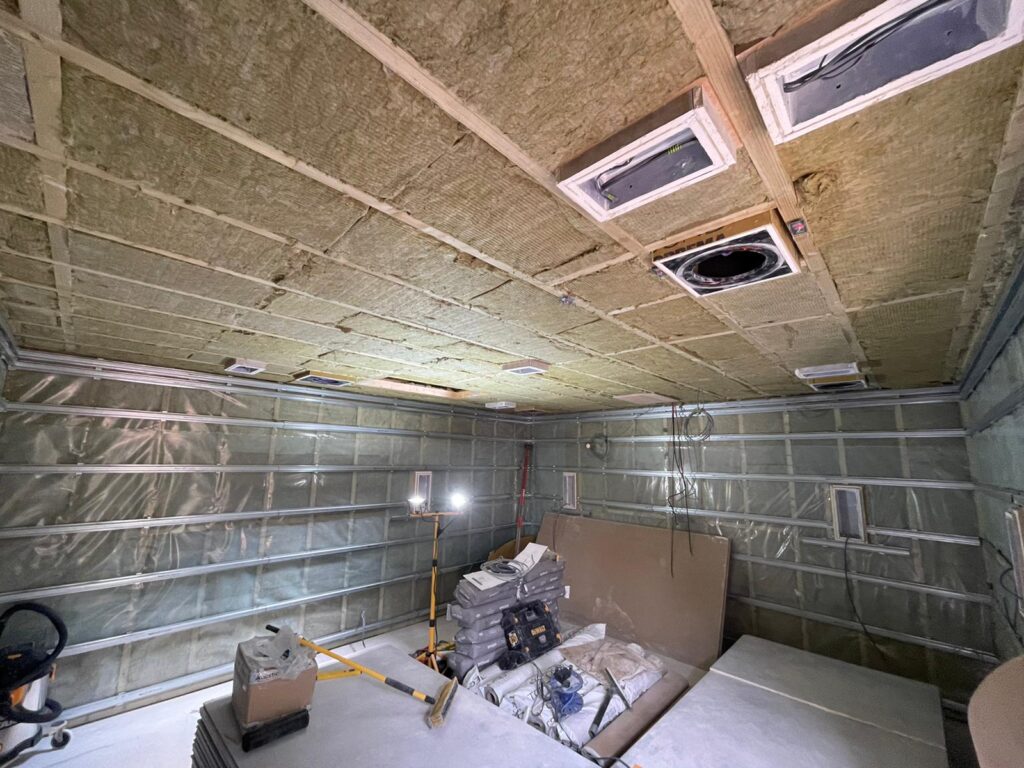
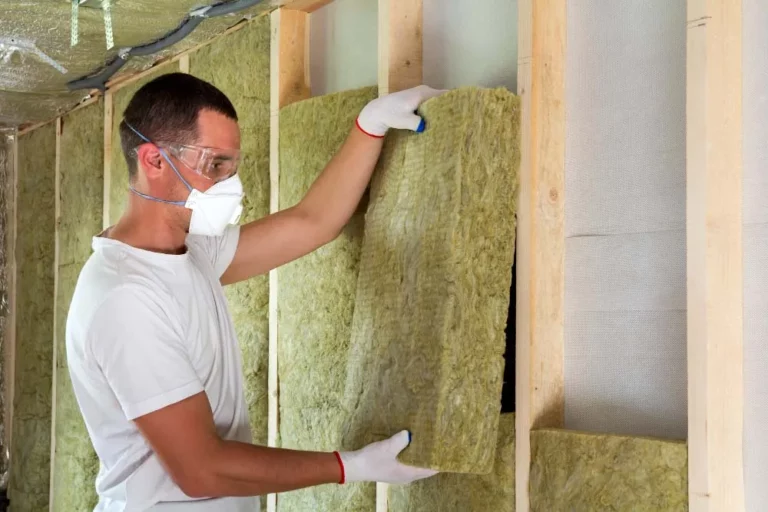
A homeowner creating a home office and media room wanted both sound control and energy savings. Mineral wool insulation was installed in interior partition walls. It dampened noise and provided fire resistance while offering R-values similar to fiberglass.
This upgrade enhanced comfort and privacy, supporting a work-from-home lifestyle.
Practical Use Cases: Real-Life Problems Solved by Insulation
Use Case 1: Reducing Utility Costs in a Drafty Older Home
An older bungalow with poor attic insulation had high winter heating bills. After an audit, the homeowner added 12 inches of cellulose to the attic and sealed around plumbing vents and light fixtures. This drastically reduced drafts and lowered heating costs by 25%, and investing pays off in just two winters.
Use Case 2: Making an Addition Energy-Efficient
A family added a sunroom to their home and noticed extreme temperature swings. The contractor recommended spray foam insulation for the roof and walls. This allowed the space to maintain consistent temperatures and become usable throughout the year without overburdening the HVAC system.
Use Case 3: Preventing Mold Growth in a Humid Climate
A coastal home experienced mold issues in the basement. Rigid foam board insulation and vapor barriers were installed to separate the interior from humid exterior walls. This controlled moisture and stabilized temperatures, preventing future mold outbreaks and preserving structural integrity.
The Long-Term Value of Insulating Your Home
Insulating your home is one of the most effective and cost-efficient improvements you can make. It not only brings immediate relief in energy costs but also enhances your lifestyle by improving comfort, air quality, and soundproofing.
Modern insulation technologies allow for precise application, improved durability, and better moisture control than ever before. The key is to take a whole-home approach—insulating the attic, walls, floors, and basement ensures that no part of your home works against your energy-saving efforts.
Proper insulation also protects your investment in heating and cooling systems by reducing workload and prolonging system life. Whether you’re retrofitting an old home or building new, prioritizing energy insulation delivers year-round rewards.
Frequently Asked Questions
Q1. How can I tell if my home is under-insulated?
Common signs include high energy bills, cold drafts in winter, hot rooms in summer, and inconsistent temperatures between rooms. A professional energy audit can identify insulation gaps using thermal imaging and blower door testing.
Q2. Is insulation effective in warm climates?
Absolutely. In hot regions, insulation prevents outdoor heat from entering your home, reducing the need for air conditioning and lowering electricity bills. Proper attic insulation and reflective barriers are particularly effective.
Q3. Can I add new insulation over existing insulation?
In many cases, yes. For example, loose-fill insulation can be blown over existing fiberglass batts if they are in good condition and dry. However, damaged or moldy insulation should be removed before adding new materials.