
Real Estate Developer Marketing: Strategies, Tools, and Innovations That Drive Growth
In the highly competitive world of real estate development, marketing is no longer just about brochures and billboards. Real estate developer marketing is now a data-driven, technology-enhanced, and brand-oriented discipline that plays a crucial role in the success of a development project. Whether promoting a residential community, mixed-use development, or commercial property, developers must implement strategic marketing techniques that target the right audiences at the right time through the right channels.
What Is Real Estate Developer Marketing?
Real estate developer marketing refers to the specialized set of promotional strategies used by property developers to attract investors, buyers, tenants, and stakeholders to their projects. It includes branding, market research, digital advertising, content creation, public relations, and lead nurturing—all designed to boost project visibility and increase sales or leasing velocity.
Unlike traditional real estate agent marketing, which often focuses on individual property listings, developer marketing addresses the entire project lifecycle—from pre-construction buzz to post-completion sales. It integrates storytelling, technology, and customer experience to position development as a desirable lifestyle or investment choice.
The Evolving Landscape of Developer Marketing
Marketing strategies for real estate developers have transformed drastically in recent years. The rise of digital media, virtual tours, and real-time data analytics has created new ways to engage potential buyers and investors. Instead of relying solely on physical showrooms or print media, modern campaigns utilize integrated omnichannel strategies that combine SEO, PPC, email marketing, social media, influencer outreach, and more.
This evolution is driven by both changing consumer behavior and the increasing complexity of property development. Buyers now research online before visiting a site, and developers must deliver immersive, engaging content that educates, informs, and converts.
Core Elements of a Successful Developer Marketing Strategy
Market Research and Targeting
Effective marketing begins with identifying the target audience. Developers use demographic and psychographic data to understand buyer motivations, income brackets, lifestyle preferences, and decision-making patterns. This allows for segmentation and personalized marketing.
Branding and Identity
Each development must have a distinct identity. Whether it’s luxury, eco-consciousness, or urban connectivity, a project’s brand narrative should resonate with its intended audience. Branding includes the development’s name, logo, visual language, and messaging tone.
Content and Visual Storytelling
High-quality photography, 3D renderings, drone footage, and virtual walkthroughs bring a project to life. Developers invest in content that communicates the vision and lifestyle associated with the property, often long before construction is complete.
Digital Advertising and SEO
From Google Ads to Facebook campaigns, paid digital ads are essential for driving traffic to landing pages and websites. Search engine optimization (SEO) ensures that developments are discoverable by people actively searching for real estate opportunities.
Lead Generation and Nurturing
Using CRM tools, email automation, and chatbots, developers capture leads and nurture them through the sales funnel. Smart segmentation allows for personalized communication based on user interest and interaction history.
Real-World Examples of Developer Marketing Tools and Strategies
1. Matterport 3D Virtual Tour Technology
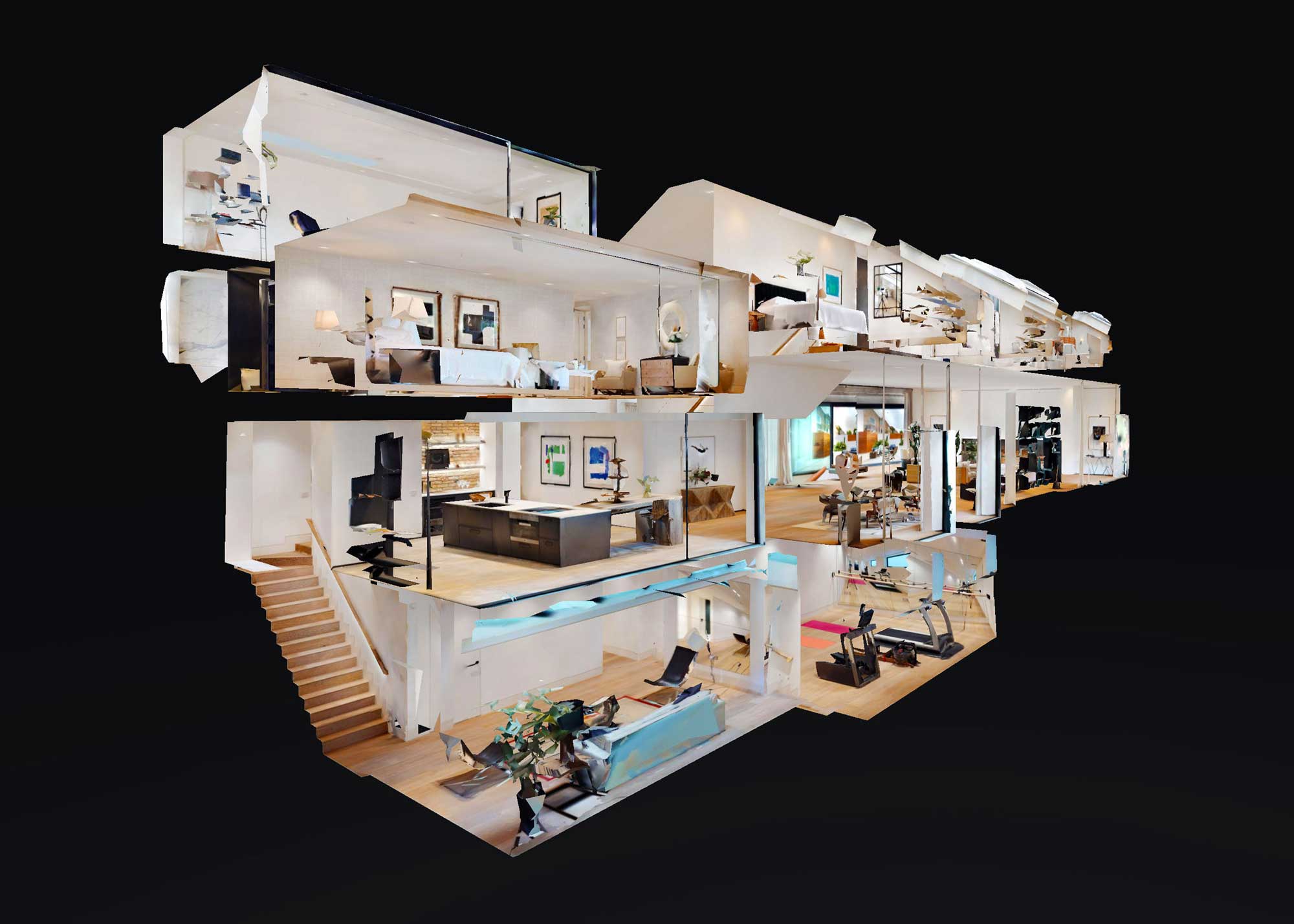
Matterport allows developers to create immersive 3D models of units, amenities, and common areas. Prospective buyers can “walk through” properties from their phones or computers.
Why it’s relevant: Virtual tours are essential when showcasing unbuilt or distant properties. They reduce buyer hesitation and boost engagement during the early decision-making phase.
2. HubSpot CRM for Real Estate
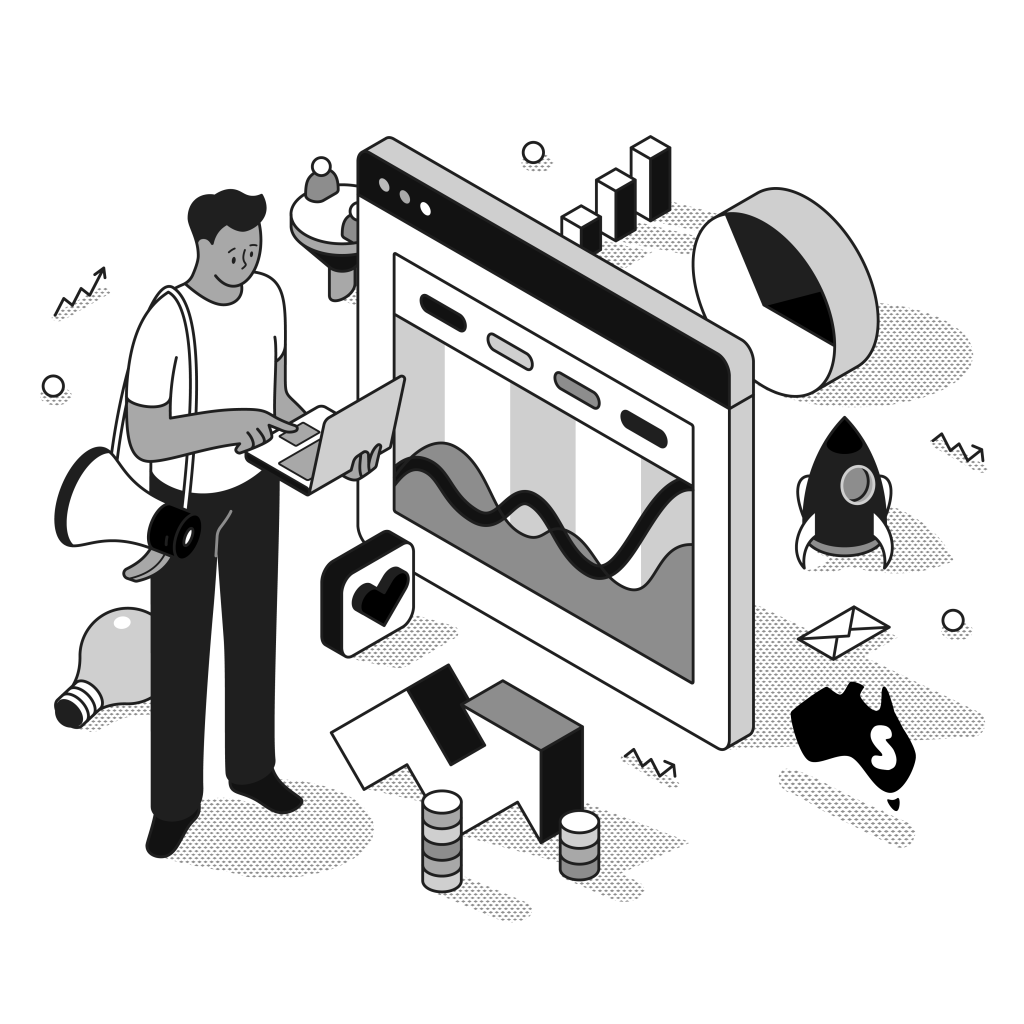
HubSpot enables developers to manage lead data, automate email marketing, and track engagement across channels. It provides analytics on open rates, click-throughs, and pipeline progress.
Why it’s relevant: Developers need a centralized platform to handle marketing efforts and customer interactions. HubSpot’s automation and reporting tools make it easier to convert leads into buyers.
3. Facebook and Instagram Ads for Local Targeting
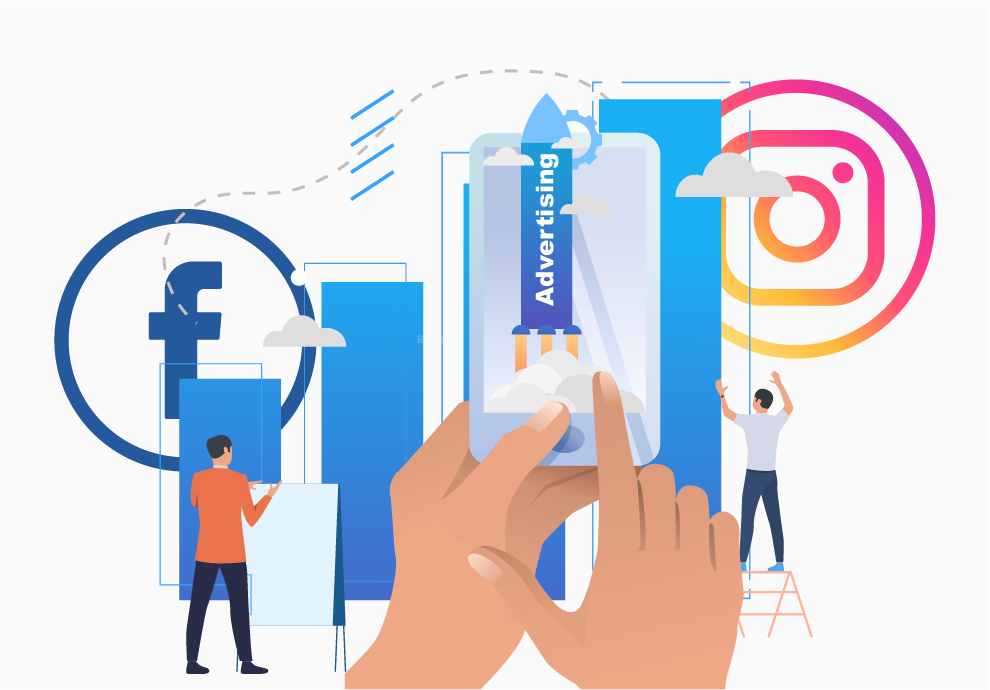
Paid social campaigns allow developers to reach specific zip codes, age groups, and income brackets with customized content. Carousel ads, reels, and stories can highlight progress, amenities, and testimonials.
Why it’s relevant: Social platforms are critical for engaging millennials and Gen Z buyers. Developers use geo-targeting and remarketing to stay top-of-mind throughout the buyer journey.
4. Canva Pro for Branded Content Creation

Canva enables marketing teams to design branded collateral such as digital flyers, Instagram posts, brochures, and presentations. It ensures brand consistency across all touchpoints.
Why it’s relevant: Developers often need quick, high-quality visuals that align with branding. Canva makes it easy for internal teams or agencies to collaborate and maintain a cohesive visual identity.
5. Drone Photography and Videography

Drones capture aerial footage of the construction site, the surrounding environment, and future views. These visuals are often used in promotional videos and website hero banners.
Why it’s relevant: Aerial perspectives provide buyers with context about location, amenities, and neighborhood connectivity. They also help developers visually tell the story of transformation over time.
Benefits of Technology in Real Estate Developer Marketing
Cost Efficiency and Measurability
Digital platforms allow for precise targeting and performance tracking. Developers can allocate budgets based on ROI, quickly optimizing underperforming campaigns without wasting resources.
Scalability and Automation
Marketing technology scales with the project. Whether it’s one condo building or a multi-phase township, tools like CRMs and automation software help maintain consistency and manage leads efficiently.
Improved Buyer Experience
Virtual tours, online bookings, live chats, and automated follow-ups offer a seamless journey for prospective buyers. This reduces friction and makes decision-making easier.
Faster Go-to-Market Strategy
Developers can pre-sell units or generate investor interest even before breaking ground. Smart campaigns with teaser videos, countdowns, and landing pages build anticipation and accelerate absorption rates.
Real-Time Feedback and Iteration
Analytics provide immediate insight into what’s working. Developers can adjust ad creatives, shift budgets, or refine messaging on the fly, improving overall performance and engagement.
Practical Use Cases Solved by Real Estate Developer Marketing
Selling Units Pre-Construction
With realistic renderings, virtual walkthroughs, and landing pages, developers can sell units before they are physically available. This improves cash flow and attracts early investors.
Promoting Phased Projects Over Time
Marketing strategies are adjusted as each phase of a large development is launched. Campaigns can be tailored for early adopters, families, or luxury buyers, depending on the phase.
Attracting International Buyers
Digital-first strategies help developers reach overseas clients who can’t attend physical site visits. Multilingual content, remote video calls, and digital contracts make transactions possible from afar.
Building Brand Equity for Repeat Buyers
A well-marketed project enhances the developer’s reputation. Buyers who trust the brand are more likely to invest in future projects. This brand equity becomes a long-term asset.
Managing Reputation and Reviews
Marketing teams also oversee public relations, social media comments, and third-party reviews. Addressing negative feedback and promoting positive testimonials builds credibility and trust.
Frequently Asked Questions
Q1. What’s the difference between traditional real estate marketing and developer marketing?
Traditional real estate marketing focuses on selling or leasing individual properties, often through agents. Developer marketing encompasses an entire project, starting from concept and design to construction and final sales, using multi-channel strategies tailored to large-scale promotion.
Q2.Why is digital marketing so important for real estate developers?
Digital marketing offers targeting, scalability, and performance tracking that traditional methods lack. It helps developers reach buyers early, educate them with immersive content, and guide them through the sales funnel efficiently.
Q3. Can small developers benefit from advanced marketing tools?
Absolutely. Many tools like Canva, HubSpot, and social media ad platforms are cost-effective and scalable. Small developers can build professional marketing campaigns that rival larger firms by focusing on strategic content and digital engagement.