Residential Real Estate Development: A Comprehensive Guide to Modern Practices, Technology, and Value Creation
Residential real estate development is a foundational component of urban expansion and economic growth. It encompasses a wide range of activities that transform raw land or underutilized properties into vibrant, livable communities. From single-family neighborhoods to high-rise apartment buildings, developers drive the process from land acquisition to final construction. In today’s landscape, this sector is being reshaped by new technologies, evolving consumer expectations, and sustainable urban planning.
What Is Residential Real Estate Development?
Residential real estate development refers to the planning, design, financing, construction, and management of housing units intended for private occupancy. These units range from detached houses and townhomes to condominiums and apartment complexes. Developers may work independently or with investors, governments, and contractors to build communities that meet current housing needs and future growth demands.
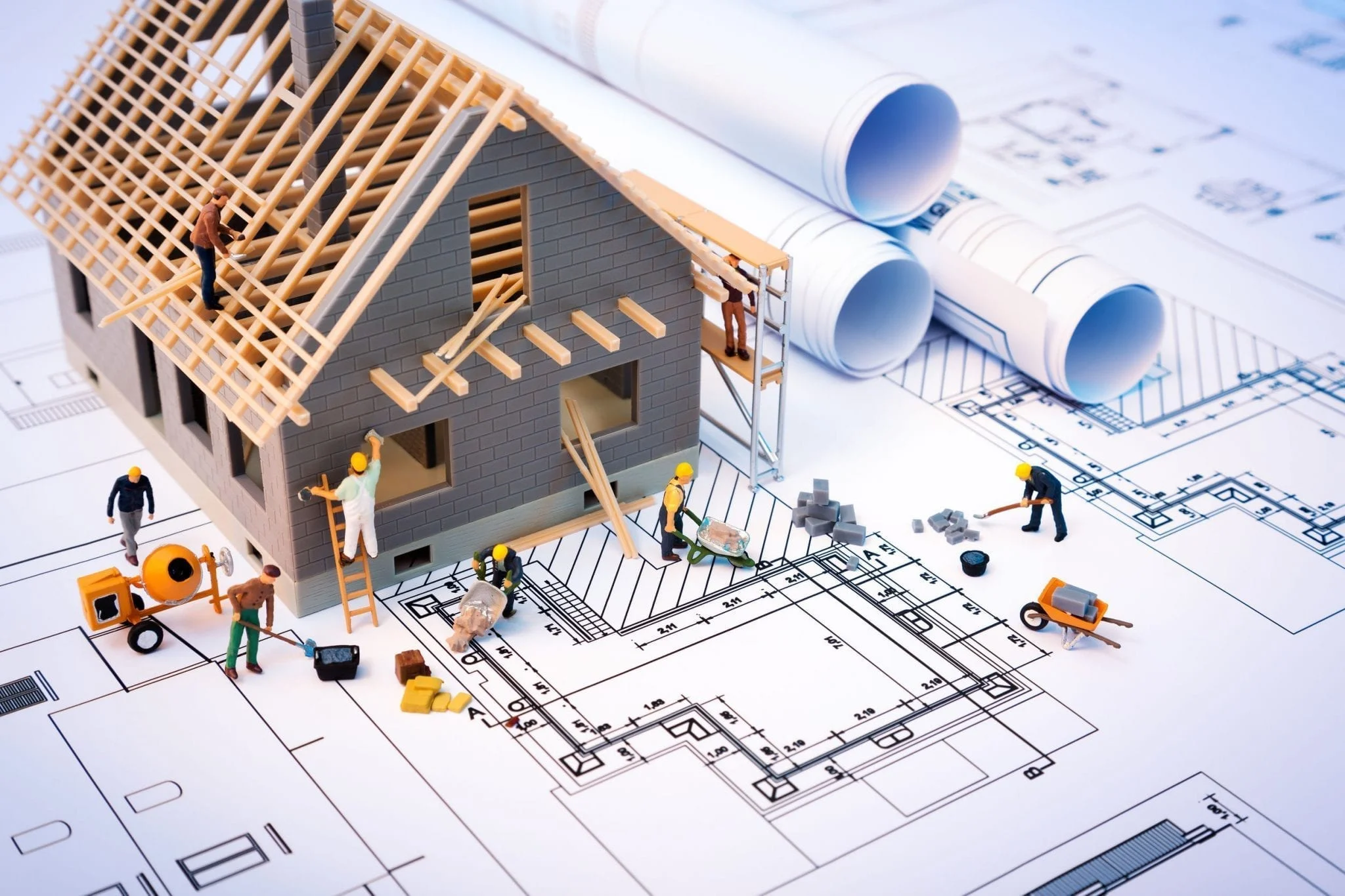
The process involves several stages: market analysis, land acquisition, zoning and permitting, architectural design, financing, construction, and post-completion marketing or leasing. Each phase requires specialized knowledge and coordination between architects, engineers, planners, marketers, and government bodies.
Key Phases in Residential Development Projects
Site Selection and Market Feasibility
The initial stage of any residential project involves assessing the viability of a location. Developers examine market trends, local demographics, existing infrastructure, and demand forecasts. This helps determine what type of residential product will thrive in the given area.
Zoning and Permits
Every development must comply with local land use laws and zoning regulations. Developers work with city planners to obtain necessary permits, rezone parcels if needed, and ensure that utilities, roads, and environmental factors are properly addressed.
Project Planning and Design
During this stage, architects and engineers collaborate to design the layout, building types, common spaces, and amenities. Sustainability, accessibility, and aesthetics are key considerations. The developer also outlines cost projections and construction timelines.
Construction and Infrastructure
This is where the physical buildout takes place. Roads, power, water, sewage, and broadband are installed, followed by the structures themselves. Timely execution and budget control are critical for profitability.
Marketing, Sales, and Leasing
Once units are ready or near completion, marketing efforts begin to attract buyers or tenants. Digital platforms, real estate agents, and property management companies help fill the units and begin generating returns.
Benefits of Technology in Residential Real Estate Development
Smart Infrastructure Planning
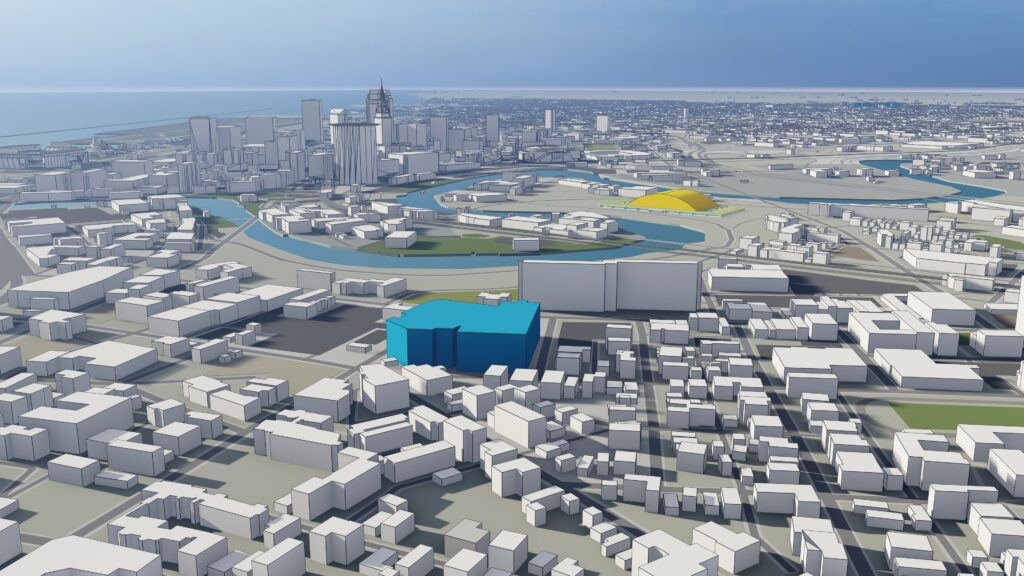
Modern tools like Geographic Information Systems (GIS) and Building Information Modeling (BIM) allow developers to simulate and plan infrastructure with precision. These tools enhance collaboration, reduce planning errors, and promote data-driven decision-making.
Efficient Construction Management
Construction software platforms help manage scheduling, budgeting, labor, and materials in real time. This reduces delays, improves cost tracking, and enhances communication across teams.
Sustainable and Green Building
Technologies such as solar panels, energy-efficient HVAC systems, and smart water meters make homes more sustainable. Developers use these features to meet regulatory requirements and attract eco-conscious buyers.
Data Analytics for Buyer Trends
Predictive analytics and CRM tools help developers understand buyer behavior, optimize pricing strategies, and align inventory with demand. This minimizes inventory overhang and maximizes revenue.
Digital Marketing and Virtual Showcases
3D walkthroughs, virtual staging, and targeted advertising campaigns allow developers to market properties before completion. These tools help attract buyers from local and international markets, especially in the pre-sale phase.
Real-World Examples in Residential Real Estate Development
1. Sidewalk Toronto – Canada
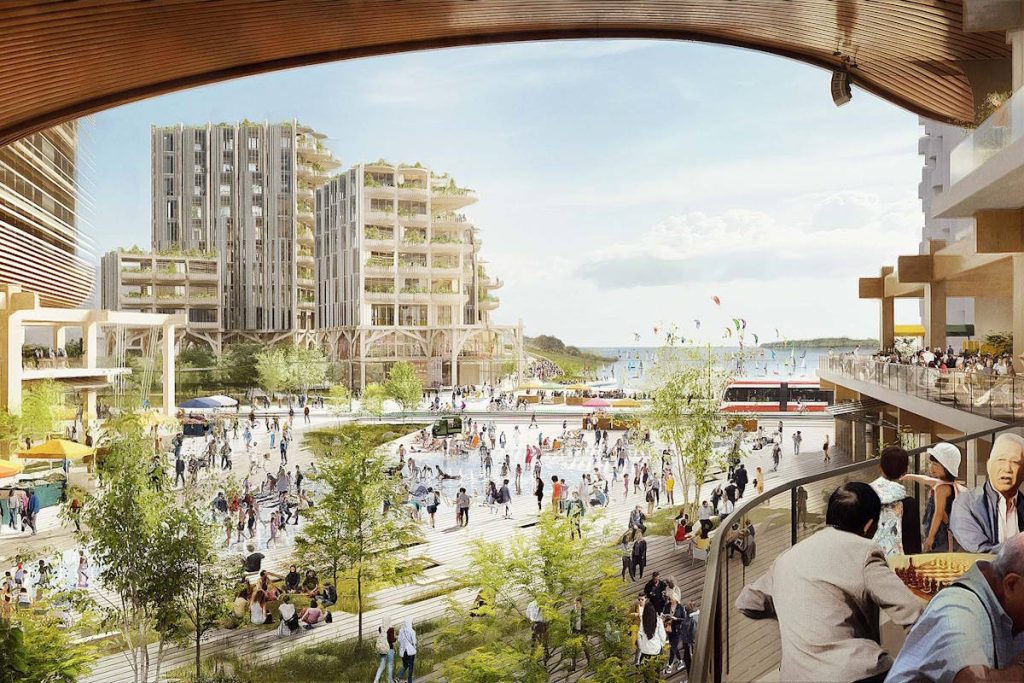
A smart neighborhood project originally planned by Sidewalk Labs, a Google subsidiary, this development aimed to integrate smart city technology, including heated sidewalks, flexible building designs, and data-driven urban planning.
Why it’s relevant: Although the project was ultimately shelved, it illustrated the potential of integrating advanced technology into residential planning, setting a precedent for future developments globally.
2. Babcock Ranch – Florida, USA
Babcock Ranch is one of the first fully solar-powered towns in the U.S. The development features smart street lighting, autonomous shuttle services, and energy-efficient homes built with resiliency in mind.
Why it’s relevant: Babcock Ranch is a benchmark for sustainable residential development. It showcases how environmental stewardship and smart planning can coexist to create a livable and modern community.
3. The Sustainable City – Dubai, UAE
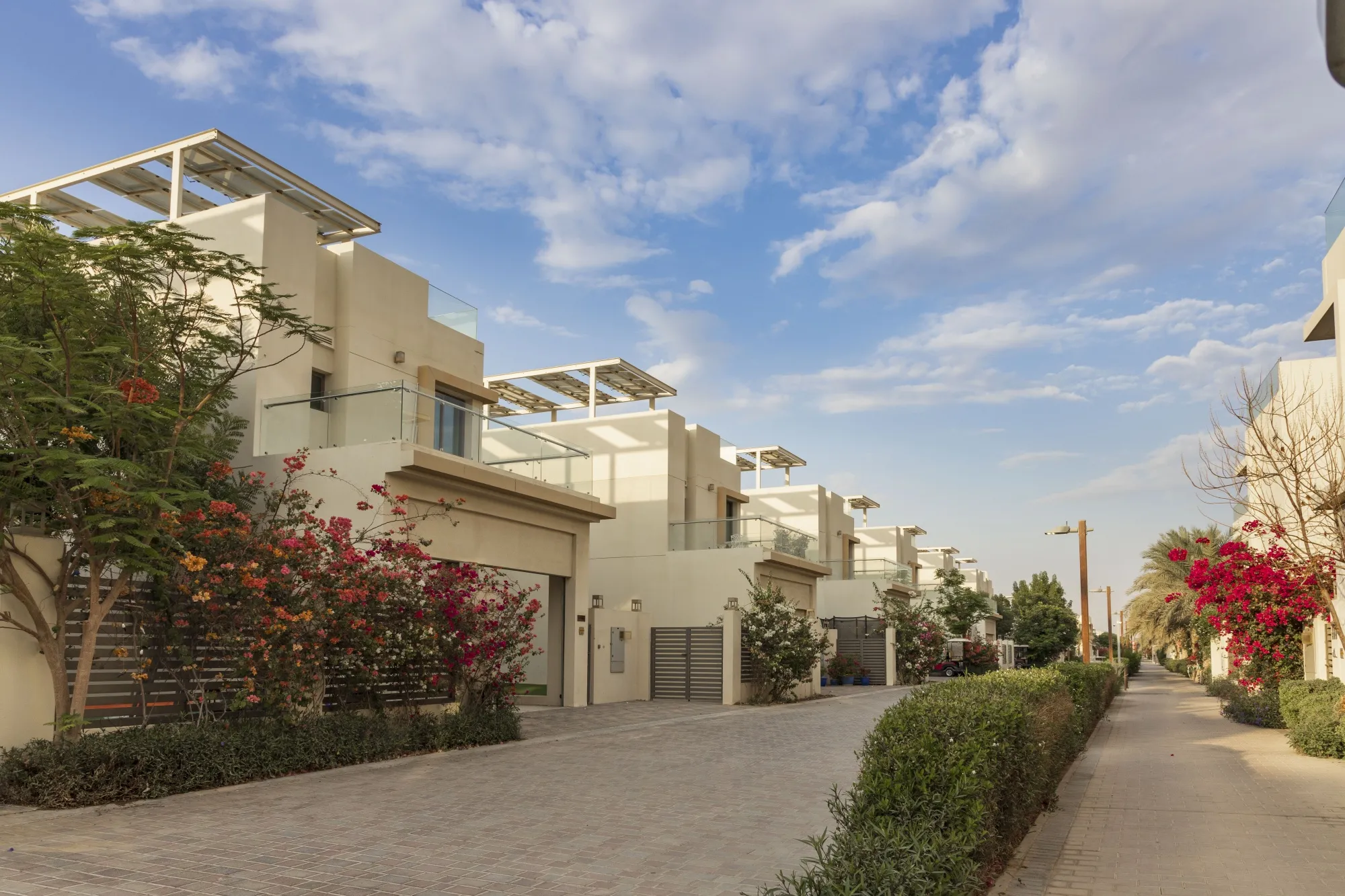
Developed by Diamond Developers, this city is designed to be net-zero energy with 100% solar-powered homes, greenhouses, and sustainable water recycling systems. It includes villas, apartments, and mixed-use areas.
Why it’s relevant: This is a shining example of how developers can address climate change through thoughtful residential planning, creating a carbon-neutral lifestyle community.
4. Masdar City Residences – Abu Dhabi, UAE
Part of a larger clean-energy city, Masdar’s residential developments are built using passive cooling designs, energy-efficient appliances, and green construction materials.
Why it’s relevant: The residences show how public-private partnerships can drive innovation in sustainable housing in high-temperature environments.
5. Songdo International Business District – South Korea
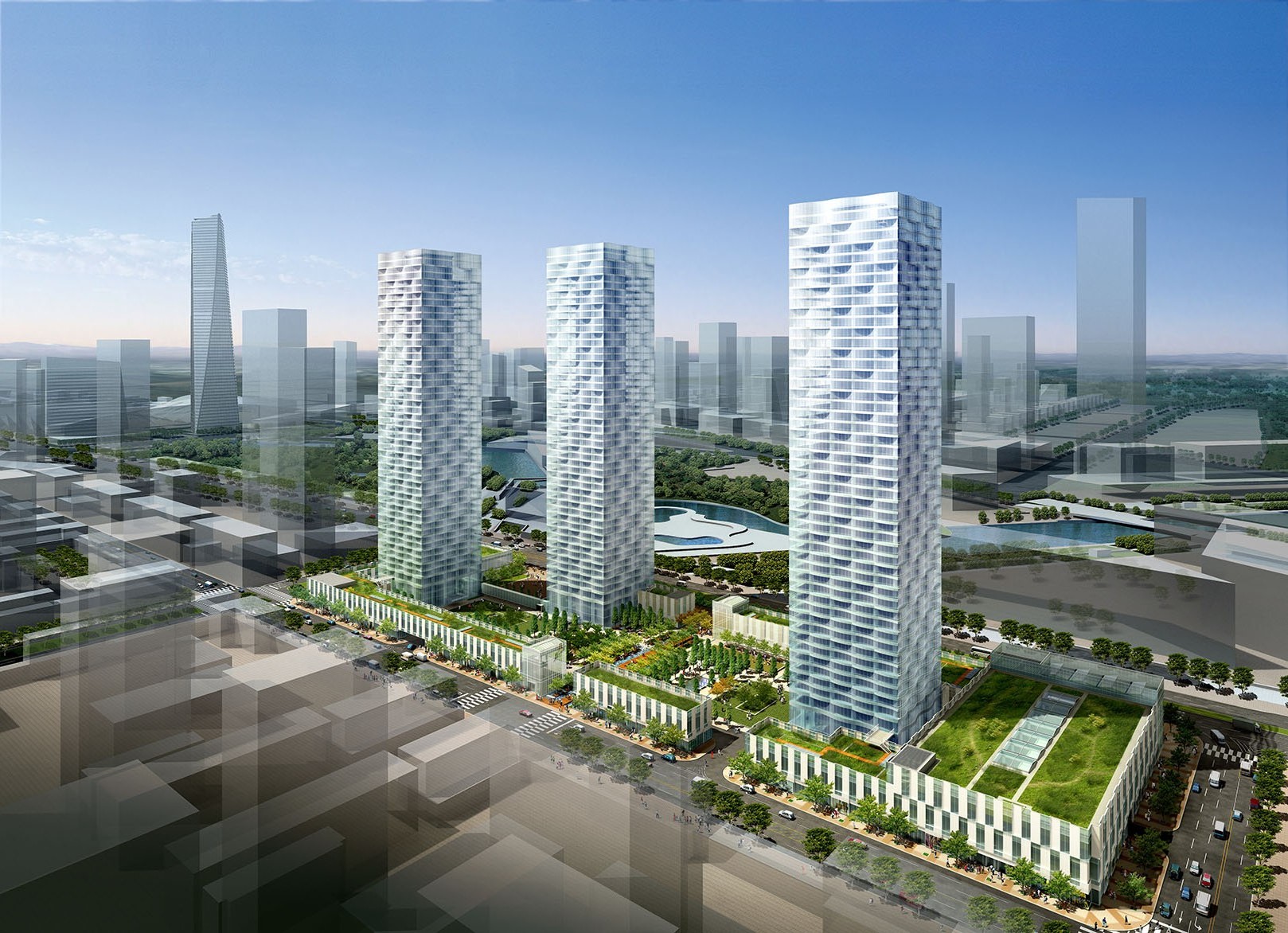
Songdo is a smart city built from scratch, with residential zones that include home automation, centralized waste systems, and intelligent traffic management integrated into the community.
Why it’s relevant: This showcases the convergence of smart city design and residential real estate development, enabling better energy use, safety, and convenience for residents.
Use Cases: Real-Life Challenges Solved by Residential Real Estate Development
Addressing Urban Housing Shortages
Rapid urbanization in many cities has created a housing demand-supply imbalance. Residential developers help close this gap by building high-density, affordable housing options tailored to various income groups.
Revitalizing Underutilized Land
Abandoned industrial areas or vacant land parcels are transformed into thriving residential communities through thoughtful development. This revitalizes neighborhoods and boosts local economies.
Creating Walkable and Mixed-Use Communities
Developers are increasingly building communities where residents can live, work, and play within walking distance. These integrated developments reduce traffic, promote sustainability, and improve quality of life.
Improving Disaster Resilience
In areas prone to floods, earthquakes, or fires, modern residential developments use resilient construction techniques and smart technologies to reduce risk and ensure long-term livability.
Providing Inclusive Housing
Many developers are now incorporating inclusive housing options such as senior living, co-living, and subsidized units for lower-income families. This creates more balanced, diverse, and equitable communities.
Advantages of Residential Development for Cities and Communities
Economic Growth
New developments create jobs, boost property tax revenues, and stimulate local commerce. Residential areas often attract schools, health clinics, and service providers.
Infrastructure Enhancement
Large-scale developments often lead to improved public services such as roads, transit, water, and electricity, benefiting not only the new residents but also existing ones.
Environmental Improvements
Modern developments often include parks, green roofs, stormwater management systems, and tree canopies, contributing to urban biodiversity and air quality.
Community Building
Designing shared amenities like community centers, playgrounds, and walking paths fosters a sense of community among residents and encourages civic engagement.
Long-Term Investment Opportunities
For investors and governments alike, residential developments represent long-term assets that appreciate and generate consistent rental or tax revenue over time.
Frequently Asked Questions
Q1. What are the biggest challenges in residential real estate development?
Common challenges include navigating zoning regulations, securing financing, meeting environmental standards, and addressing community opposition. Additionally, developers must accurately forecast market demand to avoid overbuilding or underdelivering.
Q2. How does technology improve residential development outcomes?
Technology improves efficiency, sustainability, and profitability. Tools like BIM, CRM, and smart sensors enable better planning, faster construction, energy savings, and data-informed decision-making throughout the development process.
Q3. Can residential real estate development be environmentally friendly?
Yes. With green construction practices, smart systems, and sustainable urban planning, residential developments can significantly reduce their environmental impact. Many cities now require or incentivize eco-friendly features such as solar panels, water recycling, and electric vehicle infrastructure.