Mass Save Weatherization: A Complete Guide to Energy Efficiency and Cost Savings
Weatherization is one of the most effective strategies for reducing energy costs and improving home comfort. In Massachusetts, the Mass Save Weatherization Program stands out as a government-supported initiative aimed at helping residents reduce energy usage, improve insulation, and enhance the overall energy performance of their homes. This article provides in-depth insights into how Mass Save weatherization works, its real-life applications, and the technology that makes it effective.
What Is Mass Save Weatherization?
Mass Save weatherization is a set of energy efficiency services provided under the Mass Save initiative—a collaborative effort among Massachusetts electric and gas utilities and energy efficiency service providers. The goal is to help homeowners and renters reduce energy consumption and increase comfort through insulation upgrades, air sealing, and other building envelope improvements.
The program typically begins with a no-cost Home Energy Assessment conducted by certified professionals. This assessment identifies areas in the home where energy is lost and recommends solutions such as attic insulation, basement sealing, or wall insulation. Qualifying households may receive substantial incentives that cover a significant portion or even the full cost of recommended weatherization measures.
How the Weatherization Process Works
Initial Energy Assessment
Every weatherization journey begins with a professional home energy assessment. During this visit, experts use tools like infrared cameras, blower doors, and thermal imaging to detect air leaks, poorly insulated spaces, and inefficient HVAC systems. They also inspect doors, windows, and ventilation systems for inefficiencies.
Customized Recommendations
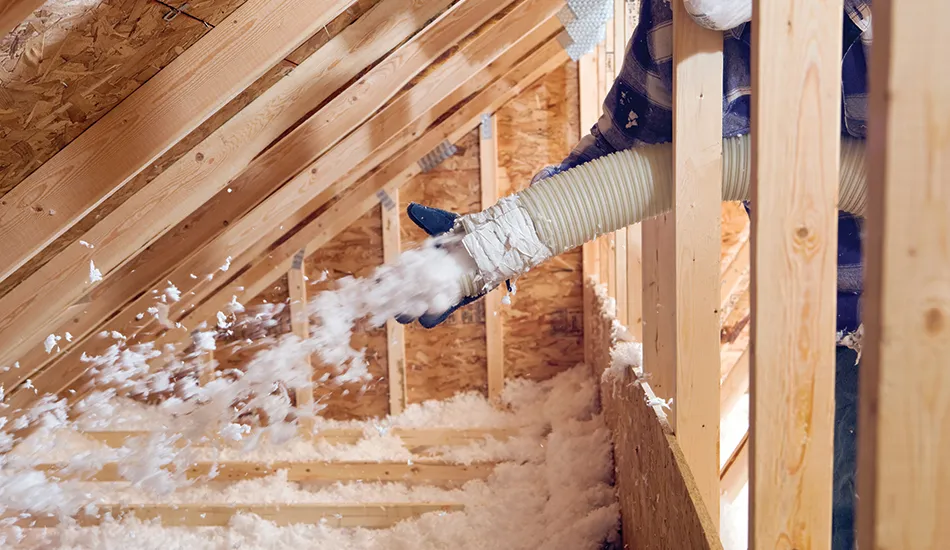
After the assessment, the technician provides a report outlining the improvements needed. Common suggestions include sealing attic bypasses, adding fiberglass or cellulose insulation, weather-stripping doors, and sealing ductwork. The report also includes a projected estimate of annual energy savings.
Incentive Application and Project Scheduling
Once homeowners agree to proceed, the program facilitates contractor selection, incentive processing, and scheduling. Mass Save-approved contractors perform the actual work using approved materials and methods. After installation, the improvements are inspected for quality and effectiveness.
Benefits of Using Technology in Mass Save Weatherization
Blower Door Testing
This test helps measure the airtightness of a building by using a high-powered fan to depressurize the home. It pinpoints drafts and leakage points, allowing targeted air sealing.
Infrared Thermal Imaging
Technicians use handheld thermal imaging cameras to visually map temperature differences behind walls, ceilings, and floors. This identifies insulation gaps that are invisible to the naked eye.
Digital Energy Modeling
Assessment tools can input home characteristics into software that models energy use and estimates savings. These projections help homeowners make informed decisions and understand return on investment.
Smart Thermostat Integration
Although not directly part of weatherization, Mass Save often pairs its upgrades with smart thermostat installations. These devices allow residents to manage indoor temperature more efficiently, increasing energy savings post-weatherization.
Data Collection for Energy Efficiency Reporting
All upgrades are tracked digitally, contributing to statewide data that informs Massachusetts’ energy policy, carbon reduction goals, and future program funding.
Real-World Examples and Use Cases of Mass Save Weatherization
1. Cape Cod Ranch Home – Barnstable County, MA
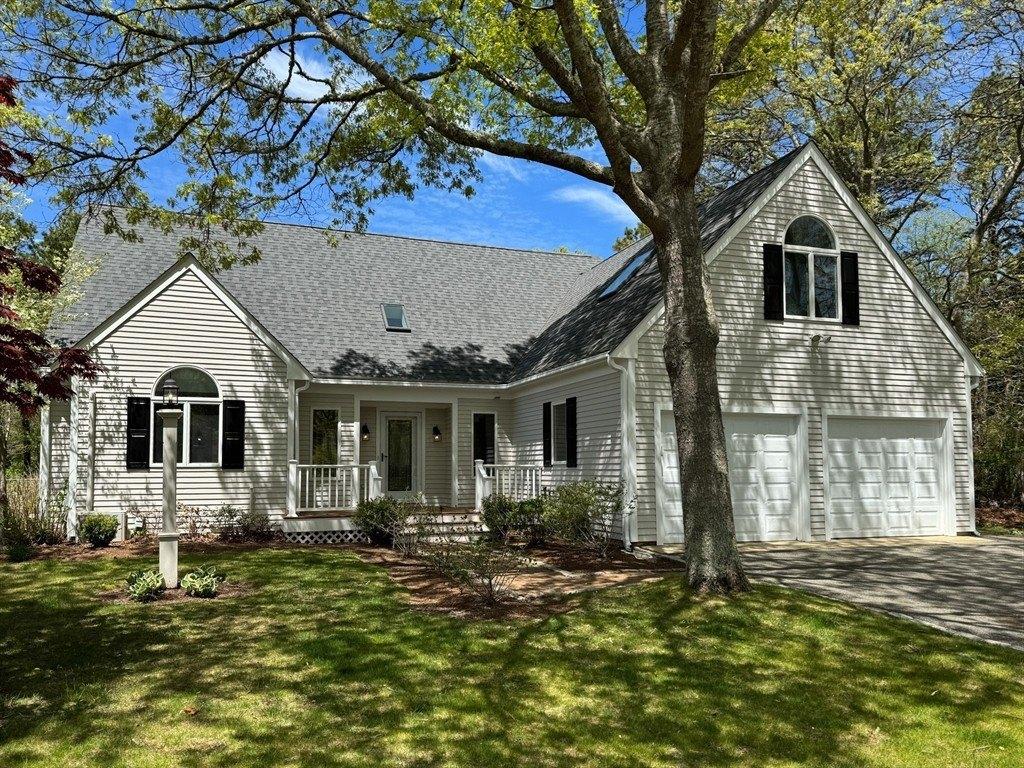
An older single-story ranch house in Cape Cod was facing high winter heating bills and summer heat retention issues. After a Mass Save assessment, attic insulation was upgraded from R-11 to R-49, and major basement air leaks were sealed.
Why it’s relevant: Post-weatherization, the homeowners reported a 28% drop in annual energy costs and significantly improved indoor comfort.
2. Triple-Decker in Dorchester – Boston, MA
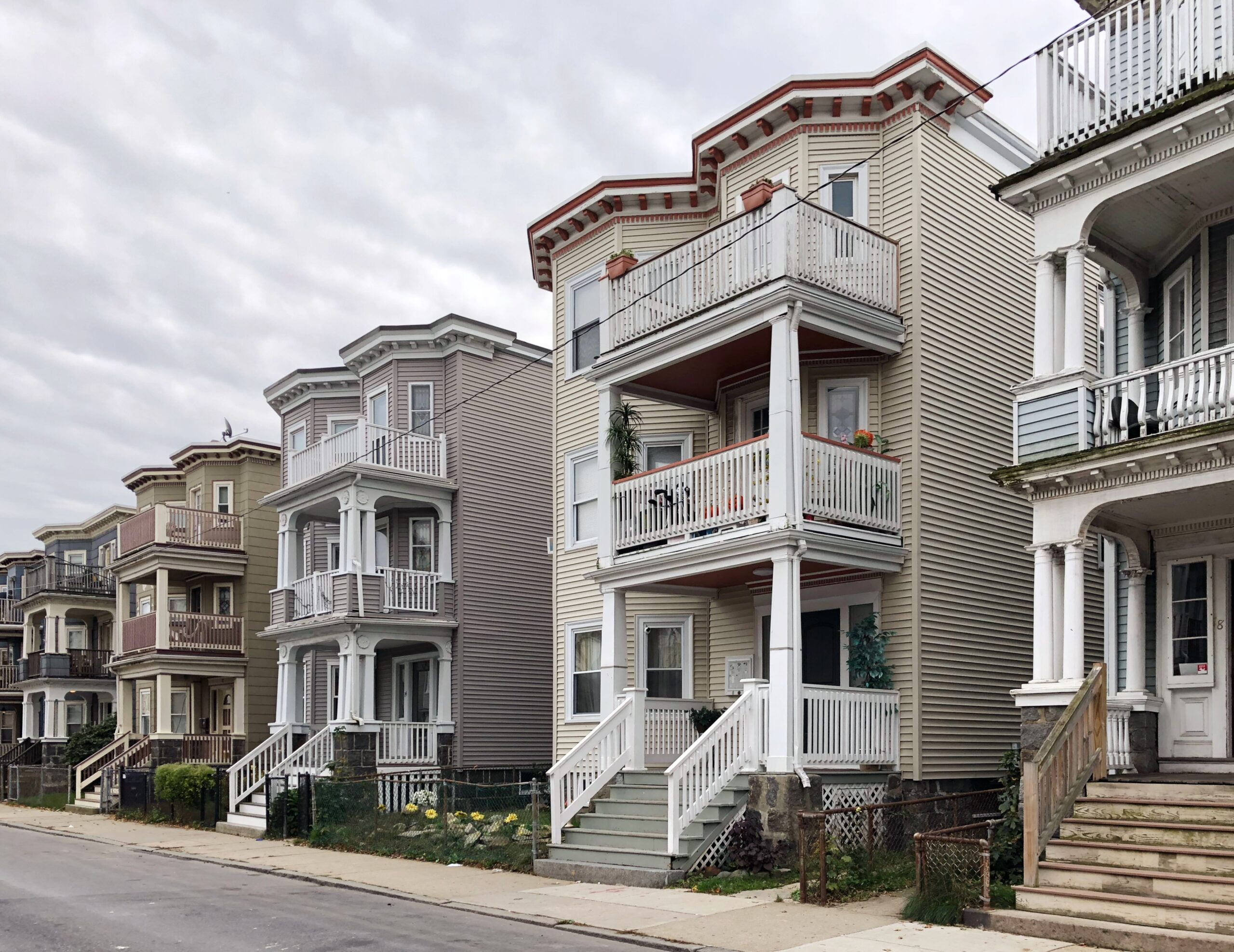
A three-story multifamily building underwent Mass Save weatherization through a landlord participation initiative. Cellulose insulation was added to exterior walls, and window frames were sealed with low-expansion foam.
Why it’s relevant: Each apartment unit saw improved heating efficiency, reducing tenant utility bills and improving building retention rates for the landlord.
3. Historical Home in Northampton, MA
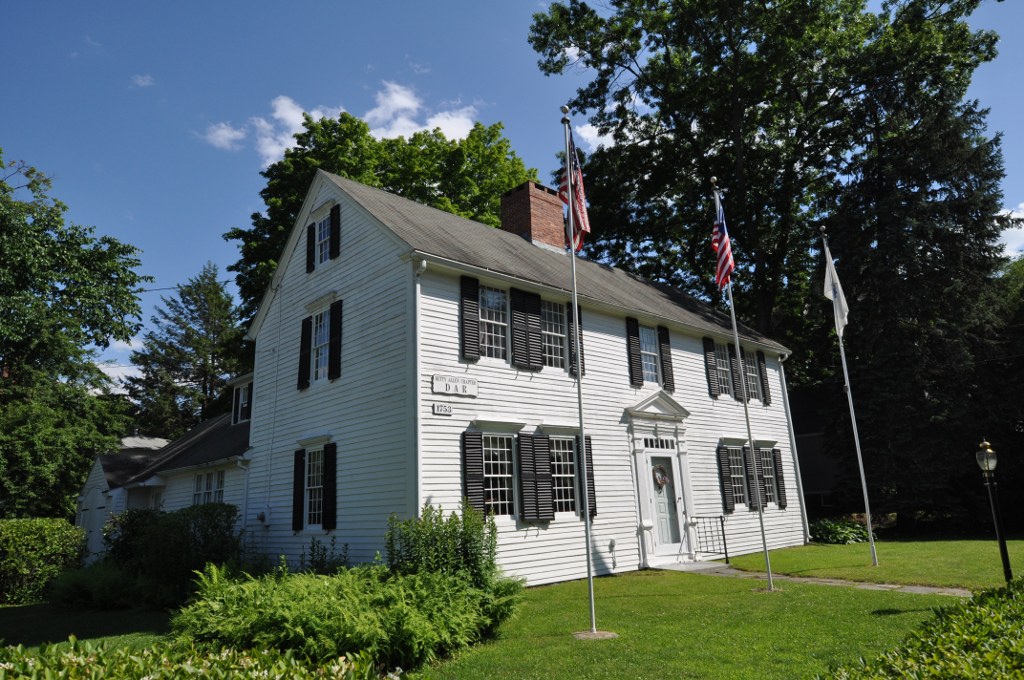
This 19th-century colonial-style home had limited insulation and drafts through antique windows. Weatherization included dense-pack wall insulation and floor cavity air sealing while preserving the home’s aesthetic integrity.
Why it’s relevant: This project demonstrates that weatherization can be successfully implemented even in historic properties without compromising structure or charm.
4. Low-Income Duplex – Springfield, MA
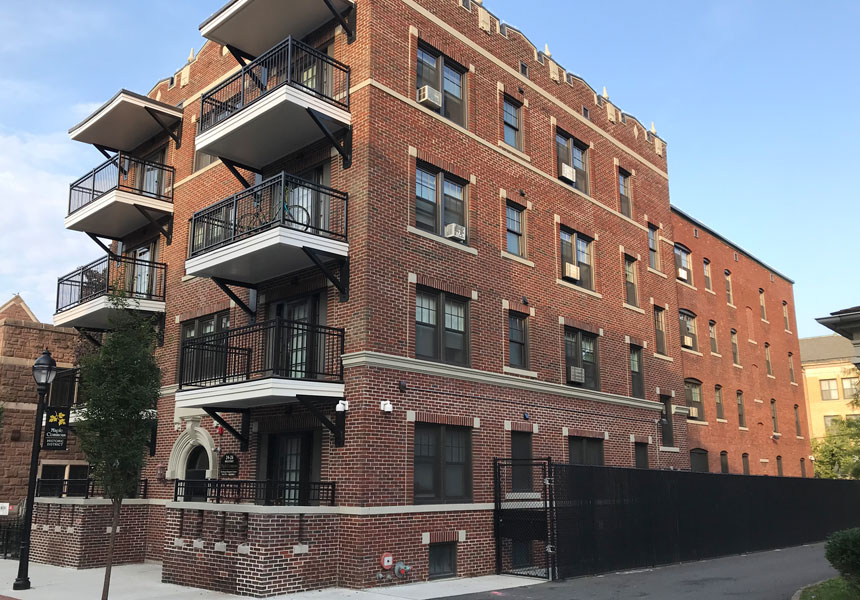
Through income-eligible offerings, Mass Save covered 100% of weatherization costs for a two-family duplex. Attic insulation, duct sealing, and weather-stripping were installed.
Why it’s relevant: The project reduced monthly heating costs by nearly $80 per household, making homeownership more affordable and sustainable.
5. Suburban Home in Worcester County, MA
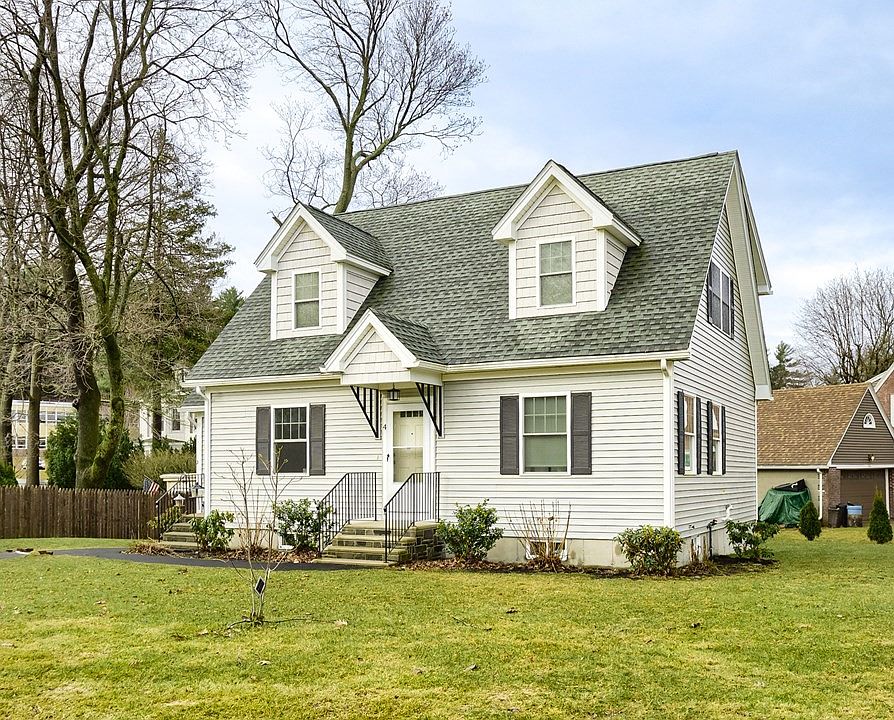
A family home with inconsistent room temperatures received attic insulation, garage ceiling insulation, and extensive air sealing between floors and ductwork.
Why it’s relevant: Indoor temperatures became balanced across all rooms, reducing the need for space heaters and secondary heating sources during winter.
Practical Benefits of Mass Save Weatherization
Lower Energy Bills
Proper insulation and air sealing can reduce heating and cooling costs by 20–40%. This translates into hundreds of dollars in annual savings, especially in regions with cold winters like Massachusetts.
Enhanced Home Comfort
Draft-free living spaces, consistent room temperatures, and reduced humidity swings all contribute to a more comfortable indoor environment year-round.
Healthier Indoor Air Quality
Air sealing prevents outside pollutants, allergens, and moisture from entering the home. This helps reduce asthma triggers and mold growth, contributing to better health outcomes.
Increased Home Value
Energy-efficient homes have higher market appeal. Potential buyers recognize the value of lower utility bills and well-maintained building envelopes, improving resale potential.
Environmental Impact
By reducing energy use, Mass Save weatherization directly contributes to lowering carbon emissions. This supports Massachusetts’ broader clean energy and climate resilience goals.
Use Cases: Problems Solved by Mass Save Weatherization
Solving High Utility Bills
Homeowners with old, under-insulated homes often struggle with exorbitant energy costs. Weatherization helps by addressing heat loss at the source, minimizing waste, and boosting HVAC system efficiency.
Addressing Drafty, Uneven Temperatures
Inconsistent room temperatures can be caused by air leaks, poor insulation, or ductwork problems. Weatherization balances airflow and insulation, resulting in even heat distribution.
Managing Moisture and Mold Issues
Poorly sealed basements and attics allow excess moisture to enter the home, which can lead to mold. Weatherization includes sealing vapor barriers and improving ventilation to prevent such problems.
Reducing HVAC Strain and Maintenance
Unsealed homes cause HVAC systems to overwork, leading to premature wear. Weatherization reduces the load on heating and cooling systems, extending their lifespan and lowering maintenance costs.
Enhancing Safety in Older Homes
Unaddressed insulation and ventilation problems can lead to ice dams, CO buildup, and backdrafting. The Mass Save process helps identify and mitigate these safety hazards.
Frequently Asked Questions
Q1. Is Mass Save weatherization available to all homeowners in Massachusetts?
Yes, most homeowners and renters qualify for the no-cost energy assessment. Additional incentives or 100% cost coverage are available for income-eligible households, landlords, and multifamily properties.
Q2. How long does the weatherization process take after the energy assessment?
Once the assessment is completed and the scope of work approved, most projects are scheduled and completed within 2 to 6 weeks, depending on contractor availability and project complexity.
Q3. Can I choose wn contractor for Mass Save weatherization?
For incentive eligibility, you must use Mass Save-approved contractors. These professionals are trained in program standards and quality assurance procedures to ensure lasting results.