Understanding the Role and Impact of International Real Estate Developers
The real estate industry plays a significant role in shaping cities, economies, and living standards. Among its most influential players are international real estate developers—large firms or groups that build, invest, or manage real estate projects across multiple countries. These developers operate on a global scale, often undertaking ambitious residential, commercial, and mixed-use projects in major metropolitan areas and emerging markets alike.
Introduction to International Real Estate Development
These developers are not just construction companies; they are visionaries who integrate architecture, urban planning, finance, and sustainability into cohesive development plans. Their projects often reflect the economic potential and cultural aspirations of entire regions, making them a vital force in global urbanization.
What Defines an International Real Estate Developer?
International real estate developers differ from local or regional developers primarily in their scope and scale. They invest in or develop properties in multiple countries, usually leveraging advanced market research, legal expertise, and financial networks to navigate different regulatory landscapes. Many are involved in every stage of development, from land acquisition and design to marketing and property management.
These developers often partner with local firms to ensure compliance and cultural relevance, but they bring a level of expertise and access to capital that can dramatically accelerate urban growth. Their projects may range from luxury condos in Dubai to eco-resorts in Southeast Asia or commercial towers in European capitals.
Benefits of Using Technology in International Real Estate Development
International real estate developers are increasingly leveraging advanced technologies to improve efficiency, sustainability, and investment value. Here’s a closer look at the practical advantages:
Enhanced Project Planning and Visualization
Modern developers use Building Information Modeling (BIM), 3D renderings, and digital twins to visualize complex developments before construction begins. This reduces costly errors and helps secure stakeholder approval.
Streamlined Global Collaboration
With the help of cloud-based platforms like Procore or Autodesk Construction Cloud, global teams can collaborate seamlessly. Real-time updates on design, budgeting, and construction progress make it easier to manage projects across time zones.
Smart Building Integration
Many international projects incorporate smart technologies from the ground up—such as intelligent HVAC systems, smart lighting, and energy optimization—making properties more appealing to investors and end-users alike.
Data-Driven Investment Decisions
By using real-time market analytics, international developers can identify emerging hotspots and forecast demand with more accuracy, reducing financial risk and improving project viability.
Real-World Examples of International Real Estate Developers and Projects
1. Emaar Properties (United Arab Emirates)
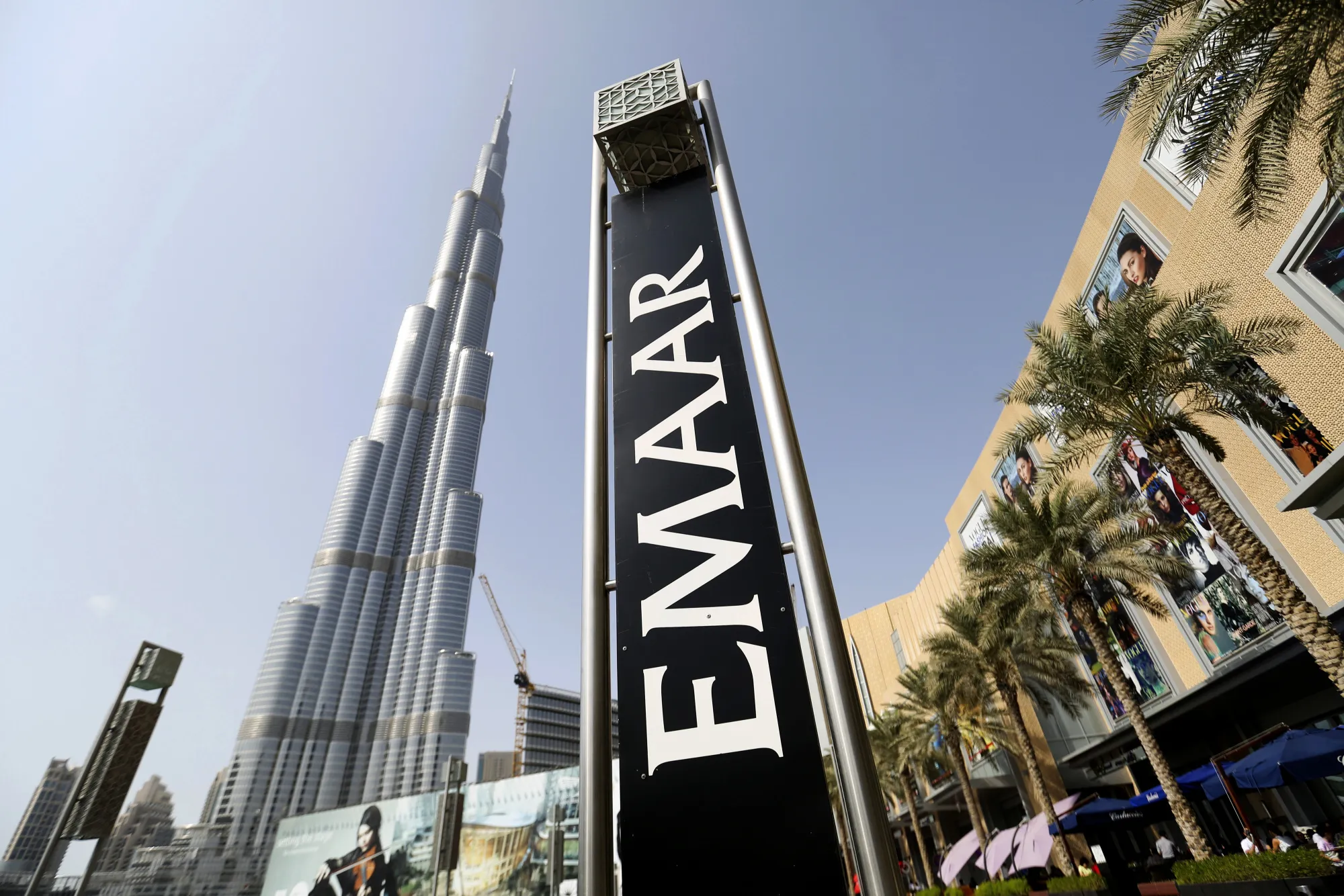
Emaar Properties is one of the most well-known names in global real estate, headquartered in Dubai. The developer is behind several iconic projects, including the Burj Khalifa and the Dubai Mall. Emaar has expanded its footprint across the Middle East, North Africa, Asia, and even the United States.
Their approach combines luxury living with mixed-use functionality, focusing on lifestyle communities that blend residential, commercial, and entertainment elements. Emaar is a prime example of how international developers can redefine skylines and set new standards for urban living.
2. CapitaLand (Singapore)
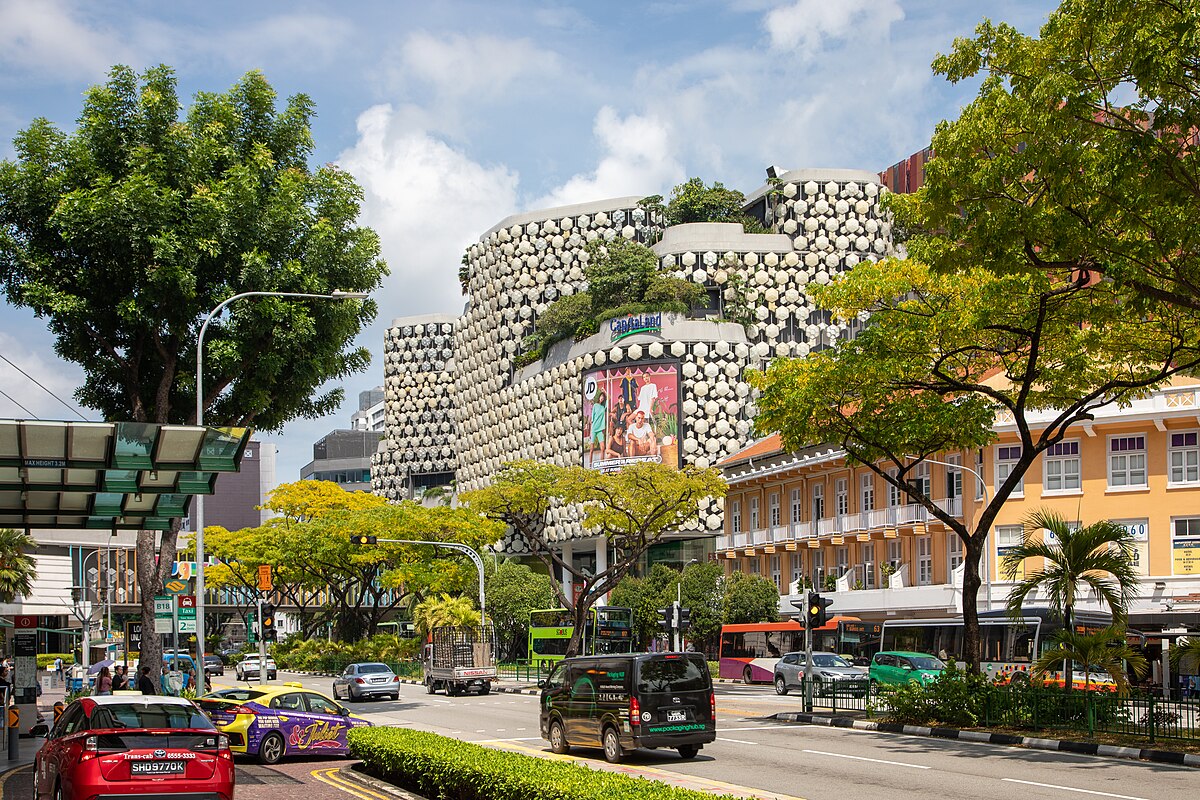
CapitaLand is a global real estate leader with a portfolio spanning more than 260 cities across over 40 countries. Known for its sustainable and technologically advanced buildings, the company has made significant investments in China, Southeast Asia, and Europe.
CapitaLand is particularly focused on integrating smart technologies into urban developments, including green buildings, energy-efficient operations, and digital tenant engagement platforms. Their developments prioritize livability and long-term environmental impact.
3. Lendlease Group (Australia)
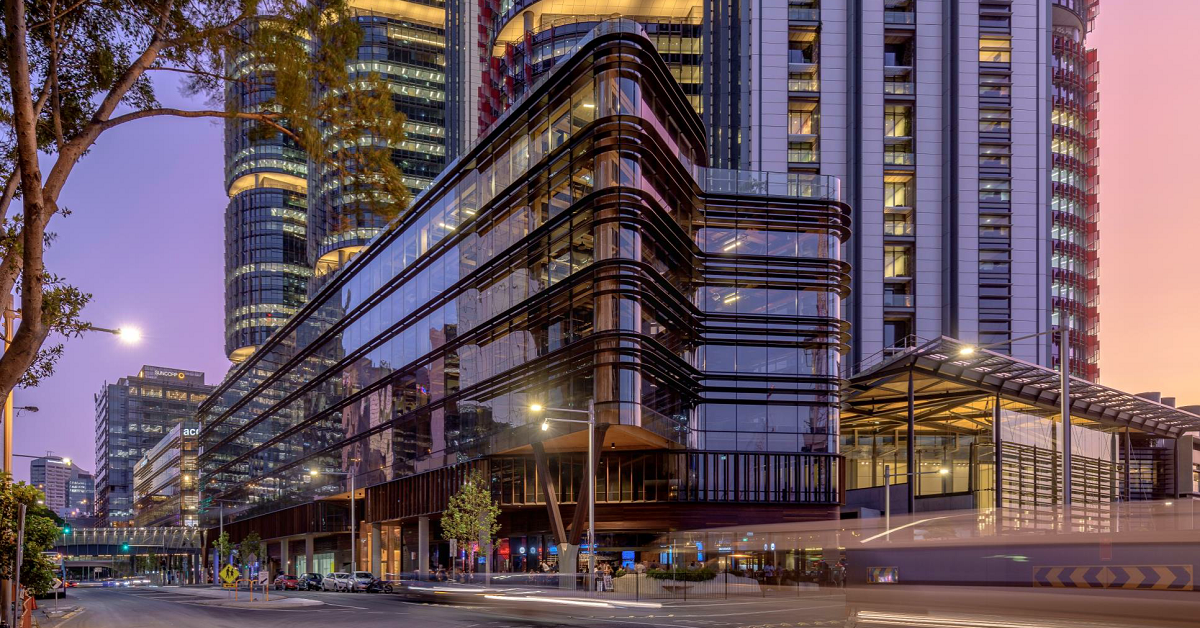
Lendlease is a multinational construction and real estate company based in Sydney, Australia. The firm is renowned for large-scale urban regeneration projects such as Barangaroo in Sydney and the Elephant Park in London.
Lendlease emphasizes sustainability, social impact, and design excellence. Their international footprint includes projects in the Americas, Asia, and Europe. Through their investments, Lendlease aims to create urban spaces that foster community and innovation.
4. China Vanke (China)
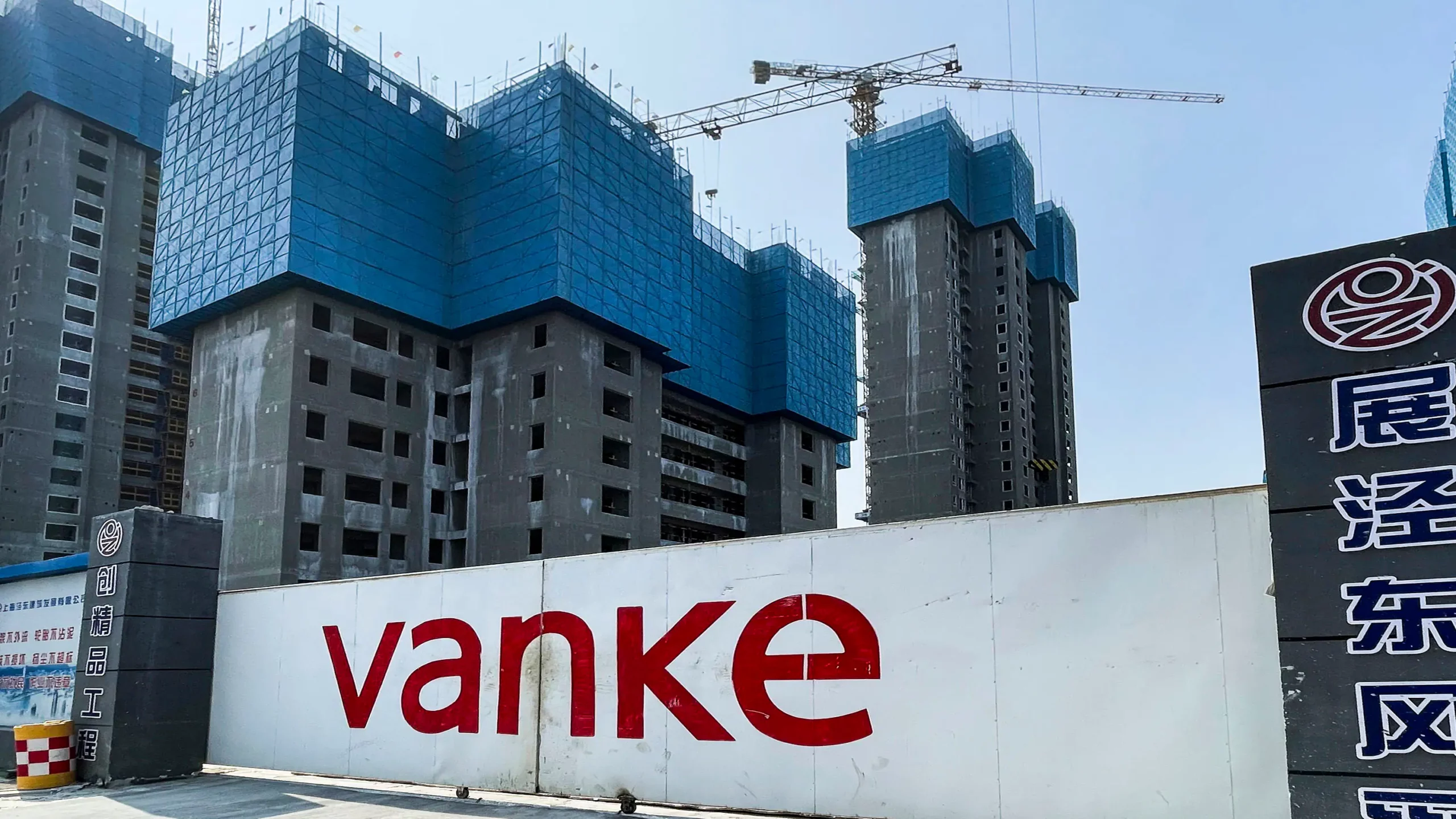
As one of the largest real estate developers in China, China Vanke has expanded its operations globally, including projects in Singapore and the United States. The company has a strong focus on green building technologies, urban renewal, and smart cities.
China Vanke represents how Chinese capital and expertise are reshaping global real estate markets. Their strategy includes collaborations with local partners and investments in high-growth urban centers worldwide.
5. Hines (United States)
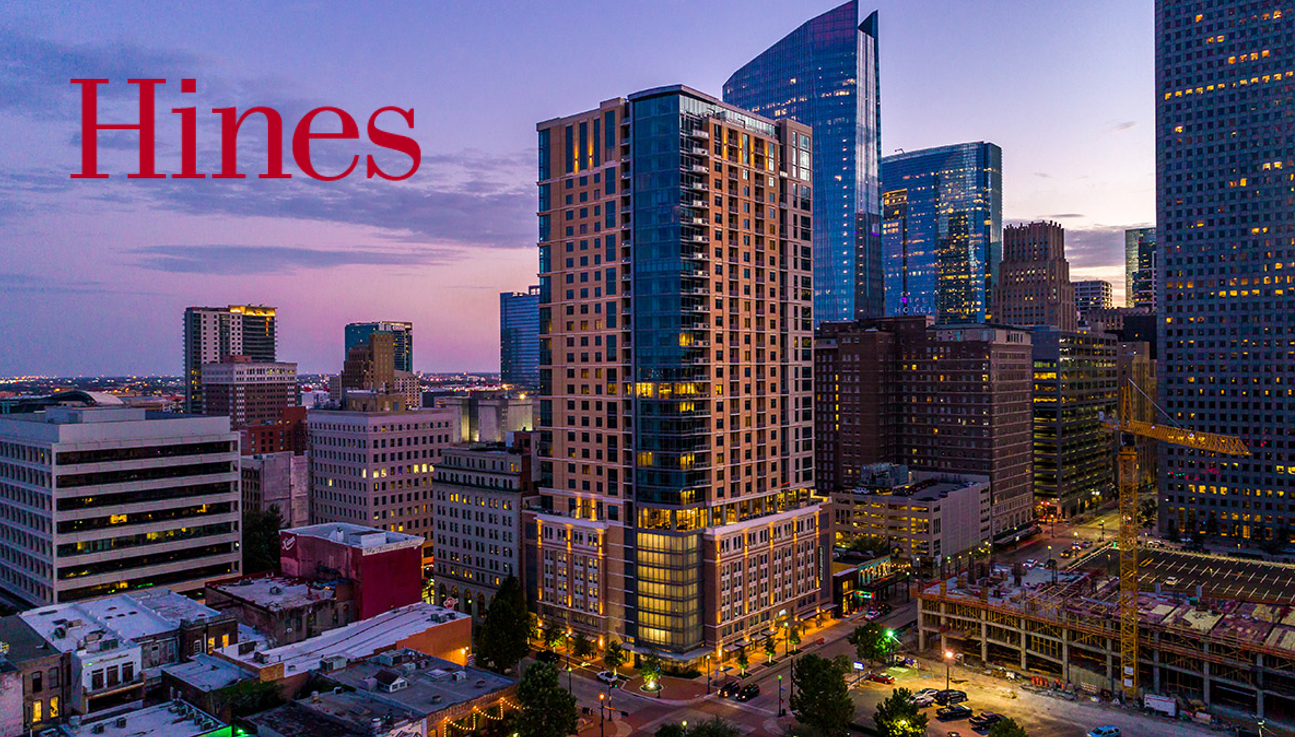
Hines is a private real estate investment, development, and management firm with a presence in 30+ countries. Known for its architectural excellence and financial acumen, Hines has developed landmarks like Salesforce Tower in San Francisco and One Vanderbilt in New York.
Their projects often incorporate LEED-certified design, digital infrastructure, and data-driven property management systems. Hines’ global expansion strategy is rooted in innovation, sustainability, and strong local partnerships.
Real-World Use Cases and Practical Applications
Solving Urban Overcrowding
International developers often bring solutions to overcrowded cities by investing in vertical living and mixed-use developments. These projects optimize land use while improving the quality of life for residents. For example, Emaar’s Downtown Dubai is a self-contained ecosystem that supports thousands of residents and businesses within a few square kilometers.
Driving Economic Growth
Large-scale developments can stimulate local economies by creating jobs, boosting tourism, and attracting foreign investment. CapitaLand’s integrated developments in Vietnam have transformed underdeveloped zones into thriving commercial hubs, creating ripple effects across sectors.
Promoting Sustainability
Through green design and eco-certifications, developers like Lendlease and Hines are pioneering climate-conscious real estate. These projects reduce carbon footprints, enhance indoor air quality, and support healthier living environments, making them attractive to both tenants and investors.
Smart City Integration
Smart buildings by China Vanke incorporate IoT sensors, AI-driven energy management, and real-time data analytics. This not only improves operational efficiency but also enhances resident experiences with features like app-controlled lighting and automated waste systems.
Cultural and Functional Adaptability
International developers tailor their projects to local customs and regulations. By collaborating with local architects and planners, firms like Hines can create culturally resonant developments that respect heritage while offering modern functionality.
Key Benefits of International Real Estate Developers
Global Expertise and Financial Strength
With access to international capital markets and global experience, these developers can undertake complex, large-scale projects that smaller firms cannot. This leads to higher-quality developments, better risk management, and increased economic impact.
Technological Leadership
From smart homes to AI-powered construction analytics, international developers are often at the forefront of property technology. This results in more efficient builds, cost savings, and enhanced property value over time.
Risk Diversification
By spreading their investments across countries, international developers can mitigate geopolitical or economic risks. This creates more stable returns for investors and ensures long-term project sustainability.
Creation of Integrated Communities
Unlike isolated real estate projects, international developers tend to build master-planned communities. These include residential, commercial, and recreational facilities, offering residents a higher quality of life and convenience.
Frequently Asked Questions (FAQ)
Q1. What is the main difference between international and local real estate developers?
International developers operate across borders and bring broader expertise, access to capital, and global partnerships. Local developers typically focus on specific regions and may lack the scale or technology integration seen in international projects.
Q2. Why are international real estate developers important for urban development?
They bring innovation, funding, and strategic vision to cities. Their involvement often leads to better infrastructure, smarter urban design, and economic revitalization, especially in underdeveloped or transitioning areas.
Q3. How do international developers ensure cultural fit in foreign markets?
They often partner with local firms, conduct market research, and adapt designs to suit local tastes, regulations, and environmental conditions. This hybrid approach ensures relevance while maintaining global standards.