In-Depth Guide to Real Estate Development Investment: Insights and Strategic Value
Real estate development investment involves allocating capital into projects that aim to construct, renovate, or repurpose properties for long-term financial gain. Unlike traditional real estate investing, which typically focuses on acquiring existing properties, development investment plays a more active role in shaping land into income-generating assets. This process can include residential communities, commercial complexes, industrial parks, or mixed-use developments.
Understanding Real Estate Development Investment
The investment lifecycle in real estate development typically spans from land acquisition and feasibility analysis to construction, marketing, and final occupancy. Investors in this field require not just capital but also a strategic vision, risk management acumen, and an understanding of regulatory frameworks. Returns on such investments are typically higher than those from passive real estate holdings, but so are the associated risks.
Why Real Estate Development Investment is a High-Impact Strategy
Real estate development investment is increasingly seen as a vehicle for high returns and value creation, especially in growing urban centers or emerging markets. Investors benefit from both capital appreciation and potential cash flow through rentals or sales. Beyond financial returns, development projects contribute to urban renewal, job creation, and community transformation.
From an investment perspective, development projects offer unique opportunities for customization and control. Unlike buying an existing building, developing from the ground up allows investors to tailor property features to market demand, leverage sustainability trends, and implement smart technologies from the outset.
1. High-Rise Mixed-Use Development in Urban Centers

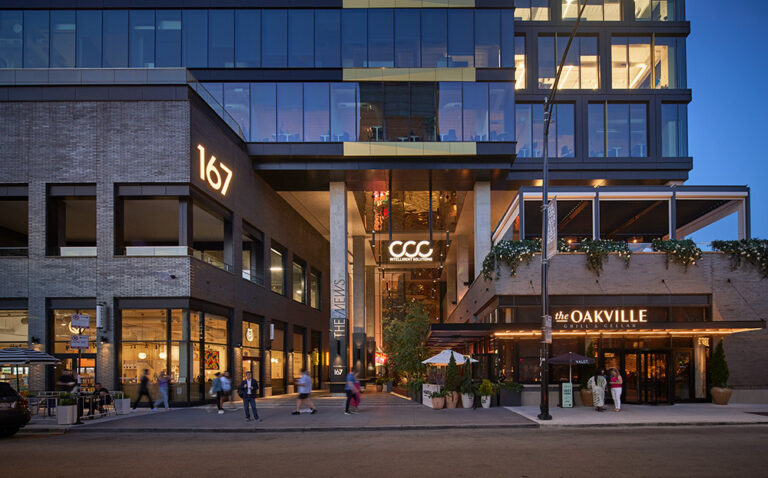
A common real-world example of real estate development investment is the construction of high-rise mixed-use buildings in dense metropolitan areas like New York, London, or Singapore. These developments typically include residential units, commercial spaces, restaurants, and public amenities, all under one roof.
Such projects require significant investment and strategic planning but yield substantial long-term benefits through diversified revenue streams. By combining retail and living spaces, they create a self-sustaining ecosystem, offering convenience and higher tenant retention.
2. Suburban Residential Community Projects
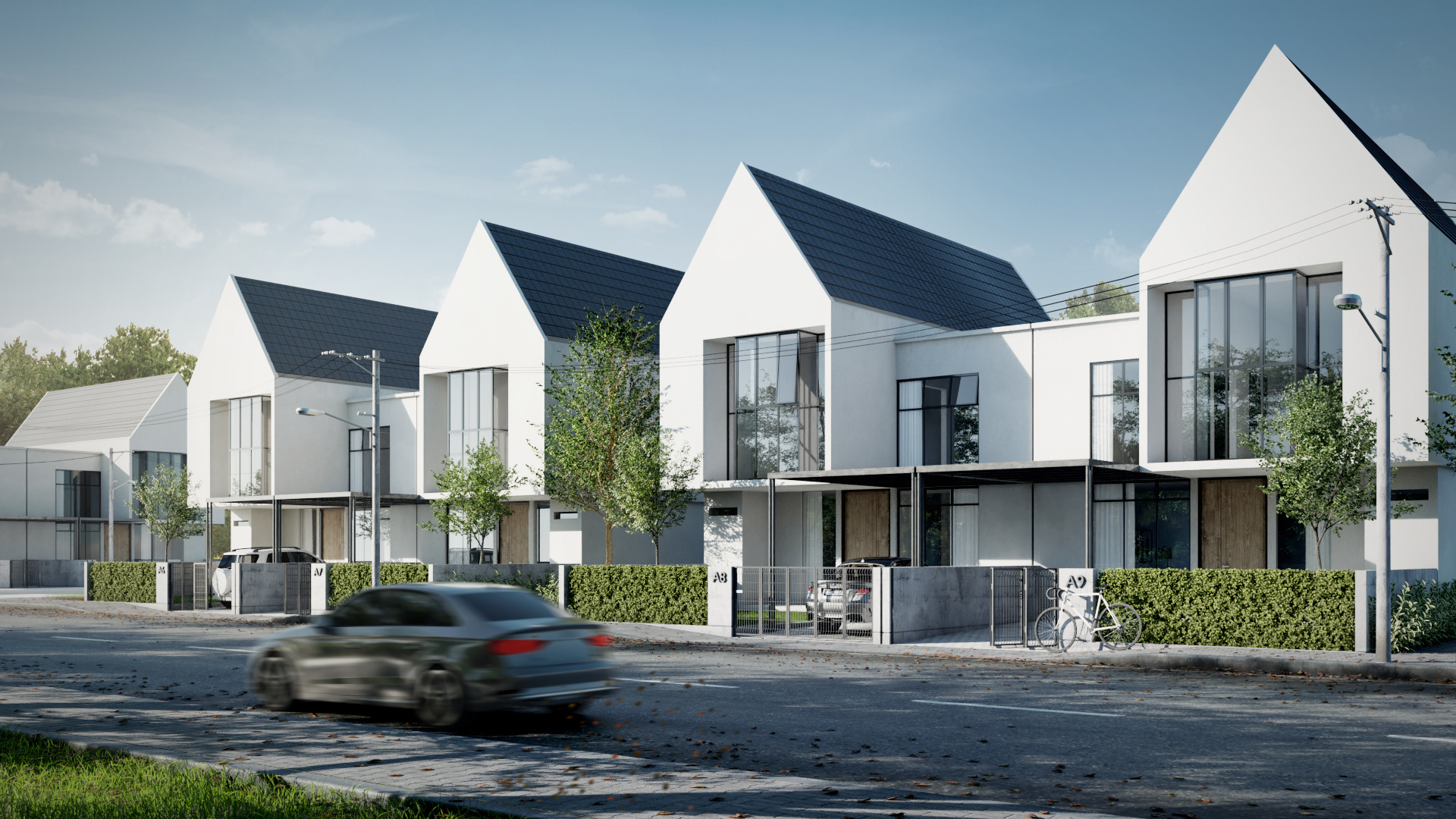
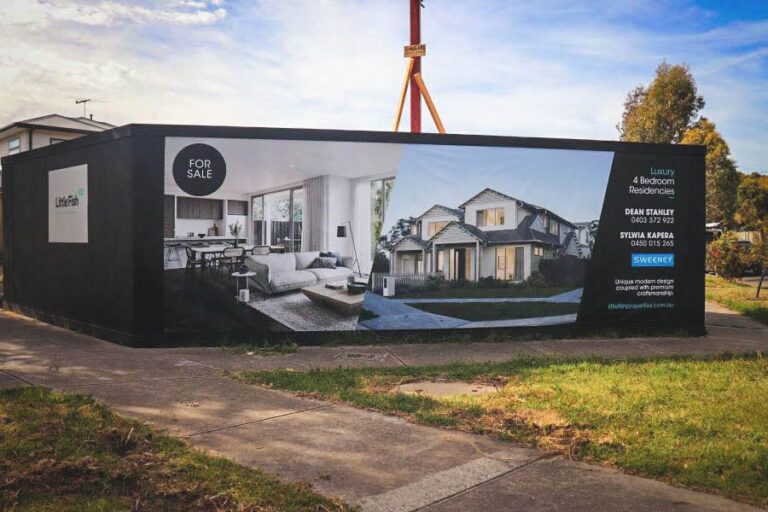
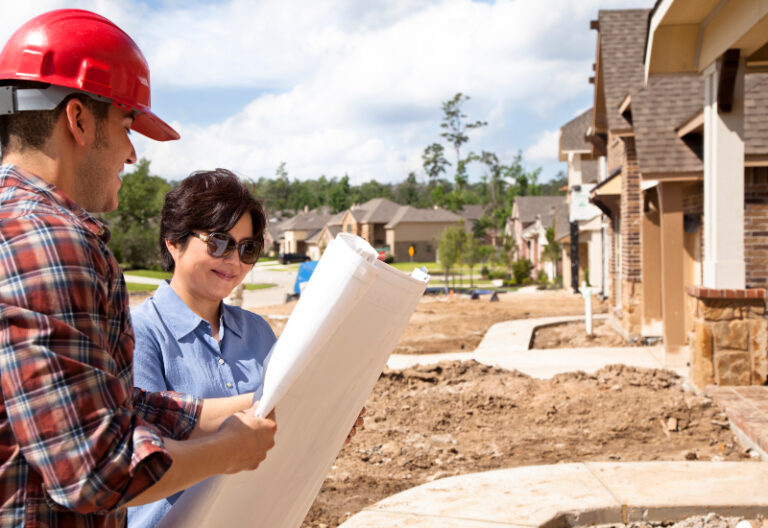
Another widespread use case is the development of suburban residential communities. These involve acquiring undeveloped land on the outskirts of cities and turning it into planned neighborhoods with single-family homes, parks, and essential infrastructure.
These projects address the growing demand for affordable housing outside expensive urban areas. Investors benefit from increasing land value, pre-sale agreements, and eventual rental income. Community-based planning also adds long-term value and attracts stable, long-term residents.
3. Brownfield Redevelopment Projects

Brownfield development refers to the transformation of previously industrial or contaminated land into usable residential or commercial property. While such projects involve more regulatory hurdles and upfront costs, they offer attractive opportunities in markets where land is scarce.
A notable example is the redevelopment of the Docklands in London into a vibrant business and residential hub. Investors who entered early in such projects saw exponential returns, driven by infrastructure improvements and rising demand for centrally located space.
4. Commercial Office Spaces in Emerging Markets
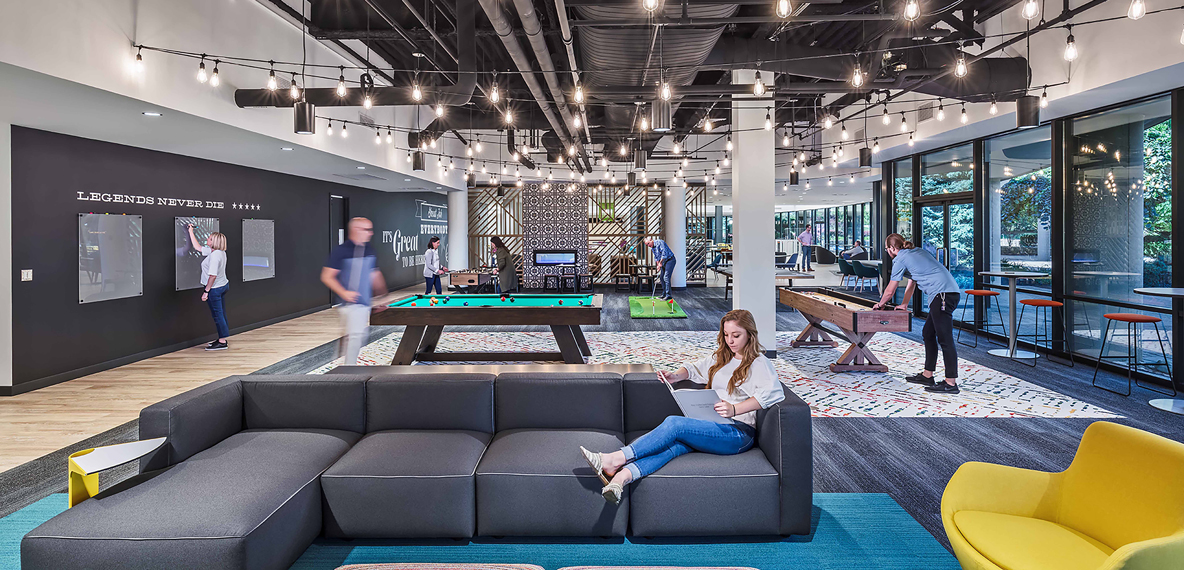
Developing office spaces in countries with growing middle classes and rapid urbanization—such as Vietnam, India, or parts of Africa—represents a strong opportunity. These developments often cater to multinational companies, tech startups, and government agencies.
Investors benefit from lower land acquisition costs and high rental yields. Additionally, commercial tenants often sign long-term leases, providing consistent income and reducing turnover risk.
5. Luxury Condominiums in Tourist Destinations
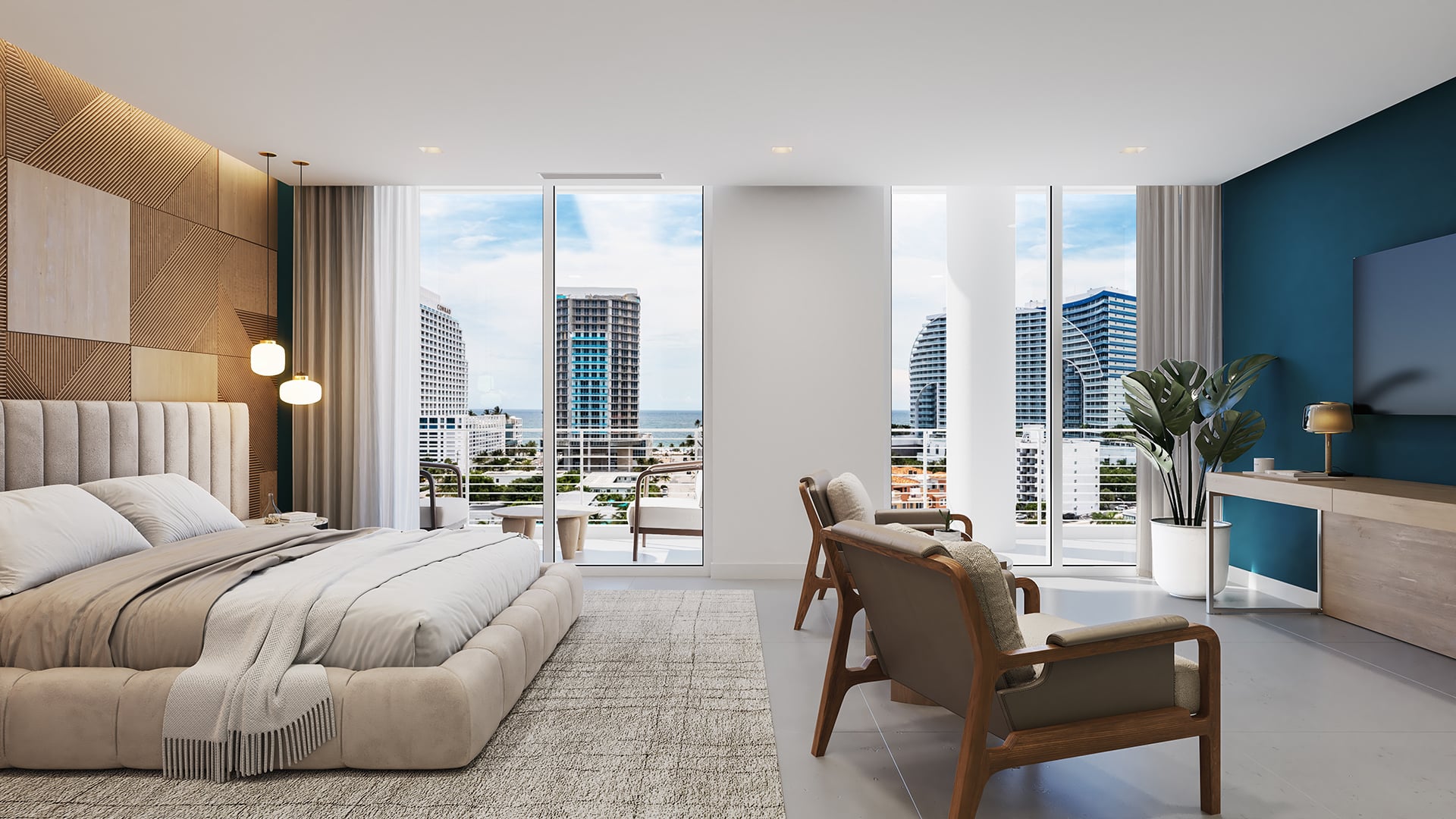
Real estate development investment in luxury condominiums in high-demand tourist areas, such as Bali, Dubai, or the French Riviera, remains a popular strategy. These properties are often sold as vacation homes or managed as short-term rentals.
The key appeal here is the high profitability per square meter, combined with the prestige associated with branded residences. Investors can target affluent buyers or short-term rental income, often with excellent capital appreciation prospects.
Benefits of Using Technology in Real Estate Development Investment
Smarter Decision-Making with Data Analytics
Developers and investors now use data analytics tools to assess market demand, forecast pricing trends, and identify optimal land use. Predictive analytics enhances feasibility studies and improves ROI projections, allowing for more informed and confident investment decisions.
Enhanced Planning with 3D Modeling and BIM
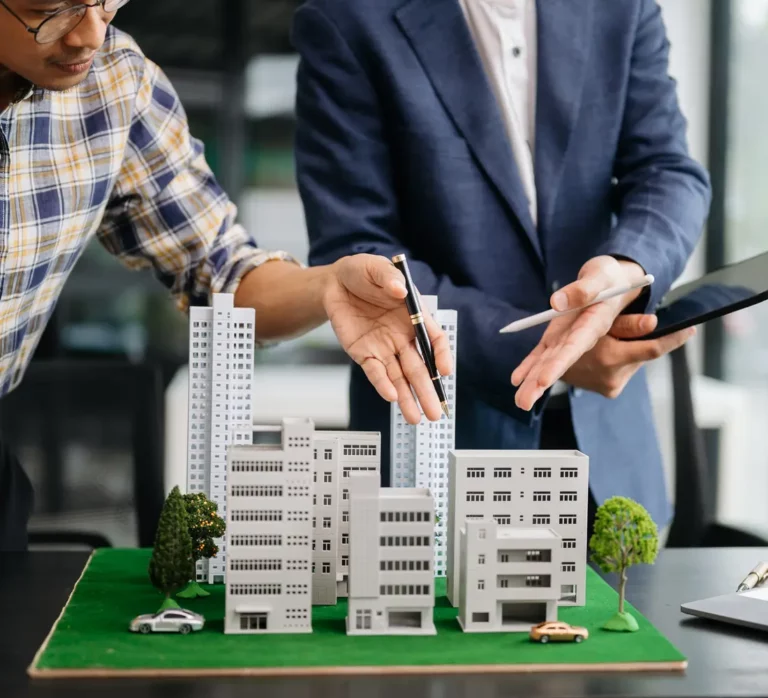
Building Information Modeling (BIM) and 3D visualization software allow developers to simulate construction processes and detect potential design conflicts before breaking ground. These tools streamline project management, improve accuracy, and reduce costly rework.
Virtual and Augmented Reality in Marketing
Using virtual tours and augmented reality tools, investors and developers can showcase unbuilt properties to potential buyers or stakeholders. This shortens sales cycles and improves pre-sale performance, especially in international markets where physical visits may be difficult.
Efficient Project Management Through PropTech Platforms
Technology platforms like Procore and Buildertrend enable real-time collaboration across teams, from architects to contractors and financial analysts. These tools increase transparency, enhance scheduling, and reduce budget overruns.
Green Building and Smart Infrastructure Integration
Technologies that promote sustainable construction—such as IoT-enabled smart systems, energy-efficient materials, and modular construction—are becoming standard in development projects. These features attract environmentally conscious buyers and reduce long-term operational costs.
Use Cases: Real-World Problems Solved by Development Investment
Addressing Urban Housing Shortages
In fast-growing cities, the demand for housing outpaces supply. Development investment enables the creation of high-density housing solutions such as apartment complexes and co-living spaces, easing the pressure on public infrastructure and stabilizing housing markets.
Revitalizing Declining Neighborhoods
By investing in underutilized or blighted areas, developers can transform entire neighborhoods. Mixed-use developments bring commerce, housing, and green spaces together, fostering community engagement and boosting property values.
Meeting Corporate Expansion Needs
As companies expand into new regions, there is a rising need for modern office facilities, logistics hubs, and innovation campuses. Real estate development investment fills this gap, supporting business growth and regional economic development.
Supporting Tourism-Driven Economies
Development investment in resort-style condos and vacation rentals helps boost tourism economies. These projects often incorporate local aesthetics and sustainability features, contributing to cultural preservation and community benefits.
Providing Resilient Infrastructure
With climate change posing risks to urban centers, there is a growing demand for resilient infrastructure. Development investments in flood-resistant buildings or eco-friendly urban layouts contribute to long-term urban sustainability.
Benefits of Real Estate Development Investment
High Return Potential
Compared to buying existing properties, development investments often yield higher returns due to value creation at each stage—from raw land to finished property. Profits may come from property sales, long-term leases, or increased equity.
Customization and Control
Investors in development projects can influence everything from design and layout to technology integration and sustainability features. This control enables alignment with market needs and investor values.
Portfolio Diversification
Development projects span residential, commercial, industrial, and mixed-use sectors. This variety allows investors to spread risk across different asset classes and geographical markets, reducing vulnerability to market downturns.
Social and Environmental Impact
Real estate development can promote social inclusion, sustainable living, and economic opportunity. Thoughtfully designed developments can reduce urban sprawl, conserve energy, and support inclusive housing initiatives.
Long-Term Asset Appreciation
Newly developed properties generally appreciate faster than older buildings, especially when located in growth corridors or revitalized neighborhoods. Strategic positioning can lead to significant capital gains over time.
Frequently Asked Questions (FAQ)
Q1. What makes real estate development investment riskier than traditional real estate investing?
Development projects involve construction delays, cost overruns, regulatory approvals, and market uncertainties. However, these risks are often offset by higher return potential and the ability to influence project outcomes through proactive management.
Q2. Can individual investors participate in real estate development projects?
Yes, through real estate development funds, private equity firms, or crowdfunding platforms. These vehicles allow individual investors to contribute capital while experienced developers handle the project execution.
Q3. How long does it typically take to see returns from a real estate development investment?
Depending on the project scale and complexity, returns may take 2 to 5 years. Factors like permitting, construction duration, and market conditions all affect the timeline. Some projects offer earlier returns through pre-sales or lease agreements.