ECO4 External Wall Insulation: Comprehensive Guide to Sustainable Energy Upgrades for UK Homes
As energy costs rise and environmental goals become more urgent, improving home insulation is critical. One of the most effective ways to boost energy efficiency in older UK properties is through ECO4 external wall insulation. Supported by the Energy Company Obligation (ECO4) scheme, this upgrade helps low-income and energy-inefficient households save on heating bills while reducing carbon emissions.
This article explores the technical aspects, benefits, real-world applications, and practical use cases of ECO4 external wall insulation in depth, offering homeowners, landlords, and contractors a complete understanding of its value.
Understanding ECO4 and External Wall Insulation
The ECO4 scheme, launched in 2022 and running through 2026, is the fourth phase of the UK’s Energy Company Obligation. Its goal is to reduce fuel poverty and improve energy efficiency across British homes, particularly those with poor EPC ratings (E-G).
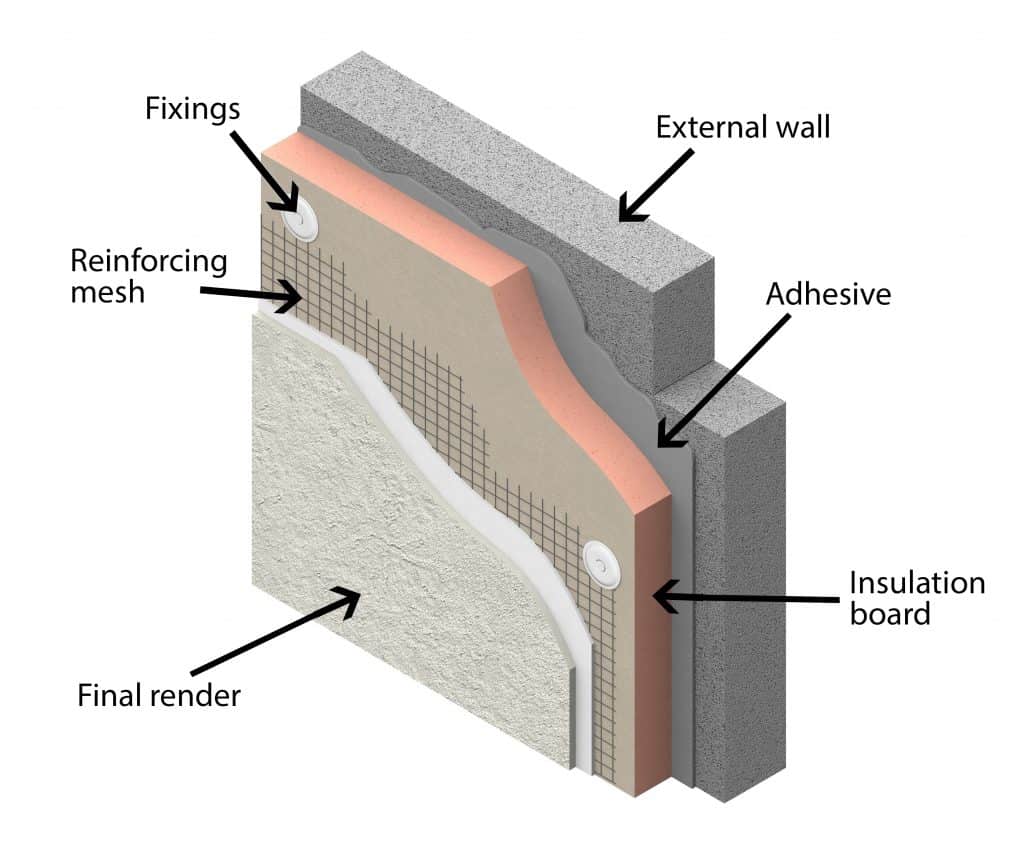
External Wall Insulation (EWI) is a key measure under this program. EWI involves adding a layer of thermal insulation to the exterior of a home, then covering it with a protective render or cladding. It’s particularly effective for homes with solid walls, which lose significantly more heat than cavity walls.
The insulation materials typically used include expanded polystyrene (EPS), mineral wool, or phenolic boards. Once installed, the insulation improves a building’s thermal envelope, which significantly reduces the need for heating in winter and helps maintain stable indoor temperatures year-round.
How ECO4 Supports External Wall Insulation
The ECO4 scheme provides full or partial funding for eligible households to implement approved energy-saving measures, including EWI. The program targets:
-
Homes with low Energy Performance Certificate (EPC) ratings (typically E-G)
-
Households on means-tested benefits or low income
-
Properties that have not previously benefited from similar upgrades
EWI is often bundled with other improvements like loft insulation, solar PV, or smart heating controls for a more comprehensive retrofit. Installations are typically performed by TrustMark-registered installers to ensure quality and accountability.
Benefits of ECO4 External Wall Insulation
Significant Energy Bill Reduction
By reducing heat loss through walls—one of the largest sources of energy waste in UK homes—EWI can cut annual heating bills by hundreds of pounds, especially in solid-walled properties.
Enhanced Home Comfort
EWI stabilizes indoor temperatures and eliminates cold drafts and damp walls. Homes feel warmer in winter and cooler in summer, creating a more pleasant and healthier living environment.
Improved EPC Ratings and Property Value
With a better EPC rating, homes become more attractive to buyers and renters. An upgraded EPC can also make a property compliant with future lettings legislation in the private rented sector.
Aesthetic Improvements
EWI systems include a final layer of render or decorative cladding, which can modernize the appearance of older properties. Homeowners can choose textures, colors, and finishes that suit their style while improving performance.
Environmental Impact and CO₂ Reduction
External insulation reduces the energy needed to heat a home, which in turn cuts carbon emissions. This aligns with national targets for net-zero and helps reduce reliance on fossil fuels.
Real-World Products and Examples of ECO4 External Wall Insulation
1. Weber External Wall Insulation System
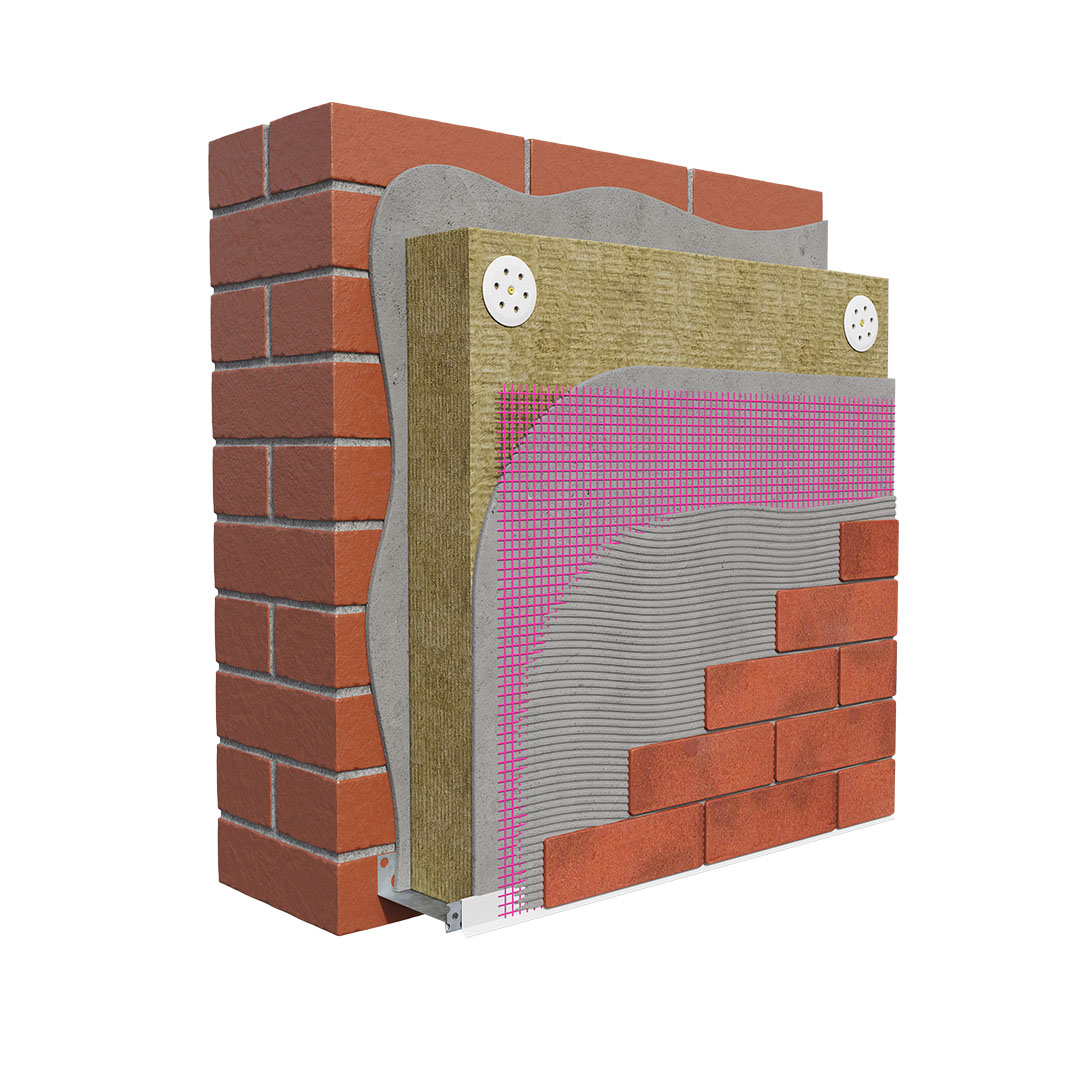
Weber offers a range of EWI systems using expanded polystyrene or mineral wool insulation. Their products are BBA-certified and often used in ECO-funded retrofit projects.
Why it’s relevant: Widely adopted in ECO schemes, Weber’s systems are known for durability and thermal performance across varied UK climates.
2. K Systems EWI Solutions
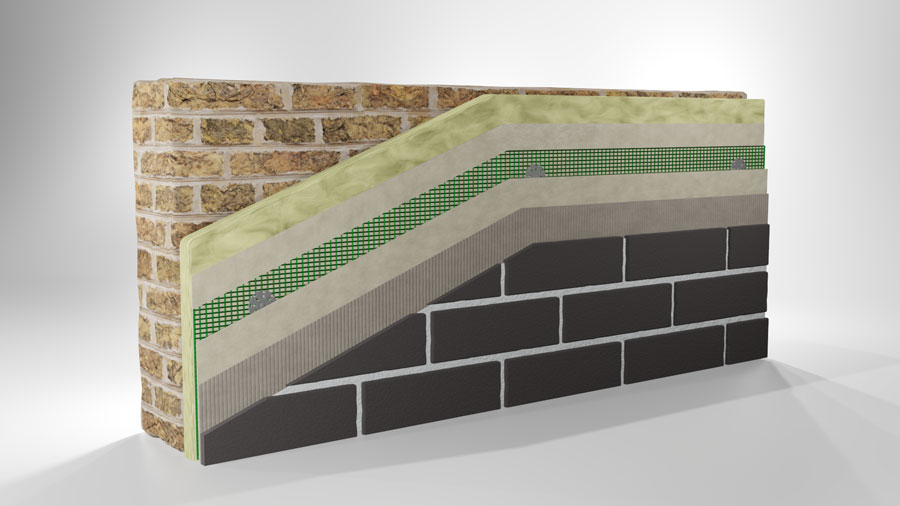
K Systems provides insulation systems for solid wall and non-traditional properties. They offer solutions for both low-rise and high-rise dwellings with fire-resistant mineral wool options.
Why it’s relevant: Their versatility makes them suitable for council housing upgrades under ECO4, ensuring compliance with fire safety regulations.
3. Permarock External Wall Insulation
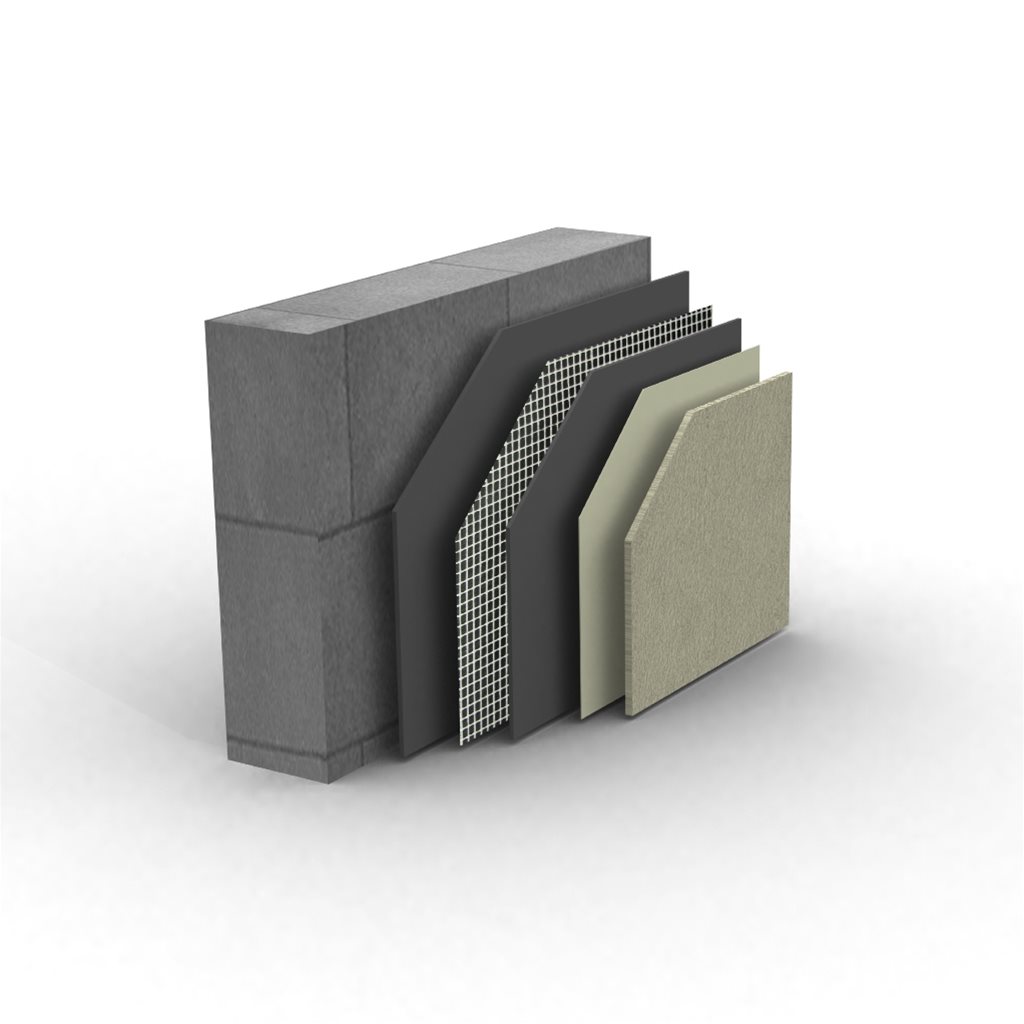
This system supports low-carbon retrofit goals with phenolic and mineral wool insulation materials. It’s often specified in large-scale residential projects and social housing schemes.
Why it’s relevant: Permarock is frequently used in ECO-funded upgrades due to its excellent u-value performance and long-term weather protection.
4. Wetherby Building Systems
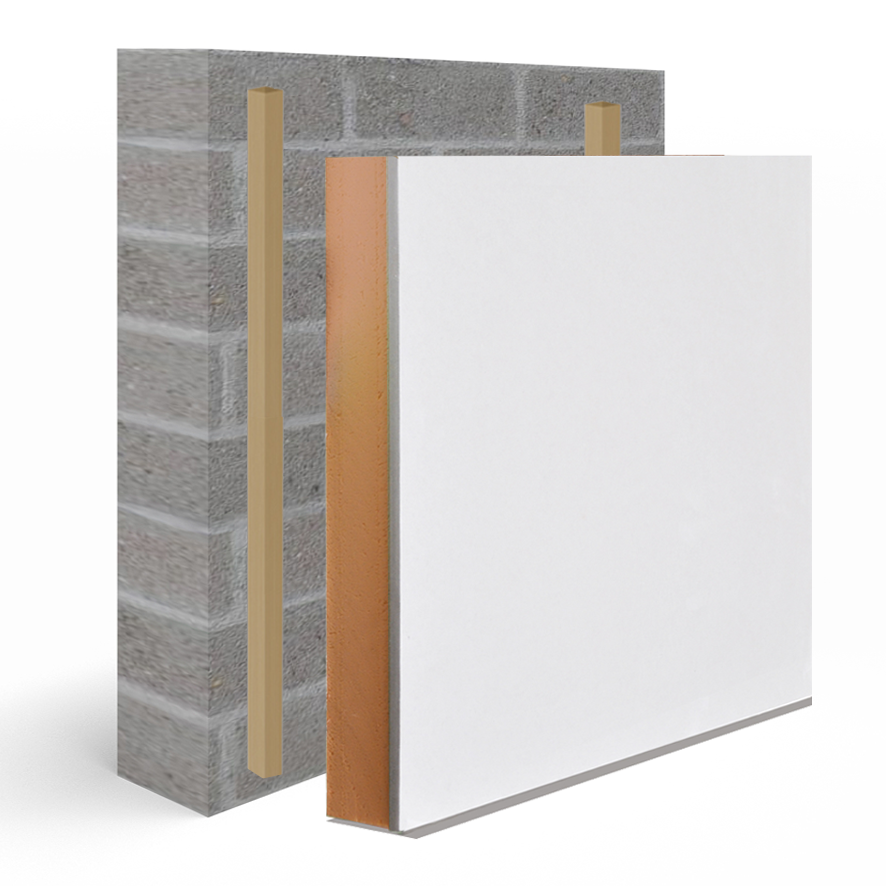
Offering a full suite of EWI solutions with acrylic, silicone, and dash finishes, Wetherby systems support both aesthetic enhancement and thermal upgrades.
Why it’s relevant: Their range is adaptable for historical homes and modern builds alike, making them ideal for ECO4 upgrades in conservation areas or mixed streetscapes.
5. Enewall External Wall Insulation
Enewall provides insulation systems designed for the Scottish market, with a focus on solid stone properties. Their systems combine insulation with textured render finishes.
Why it’s relevant: They offer specialized support for older stone-built homes, helping align ECO4 measures with traditional architecture.
How External Wall Insulation Solves Real-Life Problems
Reducing Fuel Poverty in Older Homes
Many UK homes built before the 1920s have solid walls and are often occupied by low-income families. Without cavity insulation, these properties lose heat rapidly. EWI helps these households maintain warmth affordably, reducing the pressure of rising gas and electricity bills.
Making Properties Rental-Ready
Private landlords are now required to meet minimum EPC standards to let their properties legally. ECO4-funded EWI allows landlords to improve their properties without upfront costs, complying with regulations while offering tenants a warmer, more energy-efficient home.
Tackling Damp and Mold
Cold external walls often cause condensation and mold inside the home. By insulating these surfaces externally, EWI raises the internal wall temperature and drastically reduces condensation risks, improving indoor air quality.
Supporting Whole-House Retrofit Models
EWI is often implemented as part of a whole-house energy retrofit under ECO4. When combined with solar panels, heating controls, or boiler upgrades, it maximizes long-term energy efficiency gains and supports net-zero goals at scale.
Upgrading Non-Traditional Housing Stock
Homes built with non-standard construction materials (e.g., no cavity walls or steel frames) are hard to insulate internally. EWI systems solve this issue by offering a non-invasive, effective external treatment that brings these homes in line with modern energy standards.
Advantages of Using Technology in ECO4 EWI
Precision Installation with Thermal Imaging
Before and after EWI installation, contractors use thermal imaging to identify cold spots, bridge gaps, and ensure continuous coverage. This technology ensures insulation is applied where it’s needed most.
Moisture-Resistant Render Finishes
Modern render systems are breathable yet waterproof, preventing moisture build-up behind the insulation while protecting the wall from rain and freeze-thaw cycles.
Integration with Smart Energy Controls
Homes receiving ECO4 upgrades often include smart thermostats and sensors, which work synergistically with EWI to control indoor temperatures more efficiently.
Fire-Safe Innovations
Mineral wool EWI systems meet strict fire regulations, especially in multi-story buildings. These innovations ensure that energy upgrades also enhance occupant safety.
Frequently Asked Questions
Q1. Who qualifies for ECO4 external wall insulation?
Households on means-tested benefits or with low incomes may qualify. The property must also have a low EPC rating and solid walls in need of insulation. A retrofit assessor will determine eligibility as part of an ECO4 evaluation.
Q2. Can I get external wall insulation without paying for it?
Yes, if you meet the ECO4 eligibility criteria, the insulation could be fully funded by the scheme. Many installations are done at no cost to the homeowner, especially in low-income or fuel-poor households.
Q3. How long does external wall insulation last?
When installed correctly, external wall insulation can last 25–30 years or more. Modern render and cladding systems are weather-resistant, durable, and require minimal maintenance.