Energy for New Home: Comprehensive Guide to Efficient and Smart Energy Planning
When building or moving into a new home, energy considerations are more important than ever. From sustainability to cost savings and comfort, choosing the right energy for a new home involves more than just signing up for an electric service. Today’s homeowners have the opportunity to implement smart, efficient, and eco-friendly systems from the ground up. This guide covers the best energy solutions, emerging technologies, use cases, and benefits tailored specifically for new homes.
Understanding Energy Planning for a New Home
Energy planning for a new home involves assessing the type, source, and efficiency level of systems that will power heating, cooling, lighting, appliances, and more. Decisions made at the construction stage have long-term effects on your home’s utility bills, environmental impact, and overall comfort.
While traditional grid-based electricity remains common, many homeowners are now incorporating hybrid energy systems—such as solar, geothermal, or energy storage—to future-proof their homes. Integrating energy-efficient designs, insulation, and automation further enhances long-term benefits.
Home energy planning is no longer limited to utility choices; it’s a central part of sustainable building design, regulatory compliance (such as energy codes), and smart home integration.
Key Energy Systems for a Modern New Home
Solar Photovoltaic (PV) Systems
Solar panels convert sunlight into electricity. For new homes, solar installations can be built seamlessly into the roof design, ensuring maximum exposure and aesthetic integration. These systems often work with energy storage batteries to provide power during outages or at night.
Energy Storage Systems
Batteries like lithium-ion energy storage units can be installed alongside solar panels or grid energy. These store excess energy during low-use times and discharge it during peak hours, helping reduce grid reliance and electric bills.
HVAC Systems with Heat Pumps
Electric heat pumps offer energy-efficient heating and cooling. Compared to traditional furnaces or ACs, heat pumps consume less power and are ideal for homes looking to minimize emissions and lower operating costs.
Tankless Water Heaters
These systems heat water on demand rather than maintaining a storage tank. This reduces standby energy losses and provides continuous hot water when needed, making them efficient and compact.
Smart Electrical Panels
Modern smart panels allow homeowners to monitor energy usage per circuit, track trends, and automate power flow from different sources. They are critical in homes with multiple energy systems or EV charging stations.
Benefits of Using Technology in New Home Energy Systems
Real-Time Energy Monitoring
Smart meters and panels offer real-time usage insights, helping homeowners adjust behaviors, optimize device schedules, and detect unusual spikes that may indicate appliance faults.
Automation and Control
Smart thermostats, lighting, and plugs enable energy to be used only when needed. For example, a thermostat can reduce heating while the house is empty and resume before occupants return—automatically improving efficiency.
Grid Integration and Net Metering
With solar systems, homes can send excess power back to the grid and receive credit. Smart inverters manage the flow of electricity, balancing self-use with grid export to maximize savings.
Predictive Maintenance Alerts
AI-enabled systems in appliances and HVAC units detect early signs of wear or inefficiencies. This helps prevent costly breakdowns and ensures equipment operates at peak efficiency.
Integration with EV Charging
For homes with electric vehicles, integrating energy storage and smart charging ensures optimal usage during off-peak times, reducing costs and grid stress.
Real-World Example Products and Use Cases
1. Tesla Powerwall and Solar Roof.
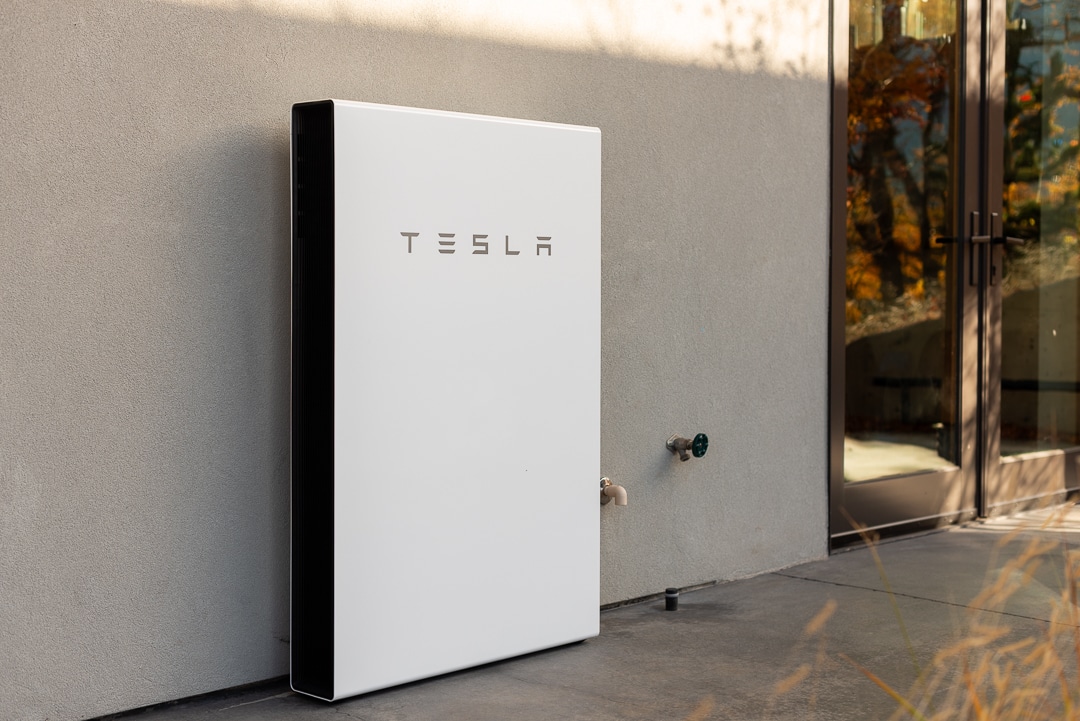
Tesla’s Powerwall stores energy generated by its Solar Roof, providing backup power during outages and peak demand times. It’s sleek, wall-mounted, and integrates directly with smart energy management apps.
Why it’s relevant: Tesla’s ecosystem exemplifies how energy storage and generation can be unified in one automated system, giving homeowners more control and energy independence.
2. Ecobee Smart Thermostat

The Ecobee smart thermostat adjusts temperatures based on occupancy, weather forecasts, and user behavior. It supports voice commands and integrates with HVAC systems to reduce heating and cooling costs.
Why it’s relevant: This product highlights how automated climate control helps new homeowners avoid energy waste and maintain comfort.
3. Span Smart Panel

The Span panel modernizes your home’s electric system by allowing circuit-level monitoring, control via smartphone, and seamless integration with solar and battery systems.
Why it’s relevant: In homes with complex energy setups, Span helps track and manage usage down to individual appliances or outlets.
4. Rheem ProTerra Hybrid Water Heater
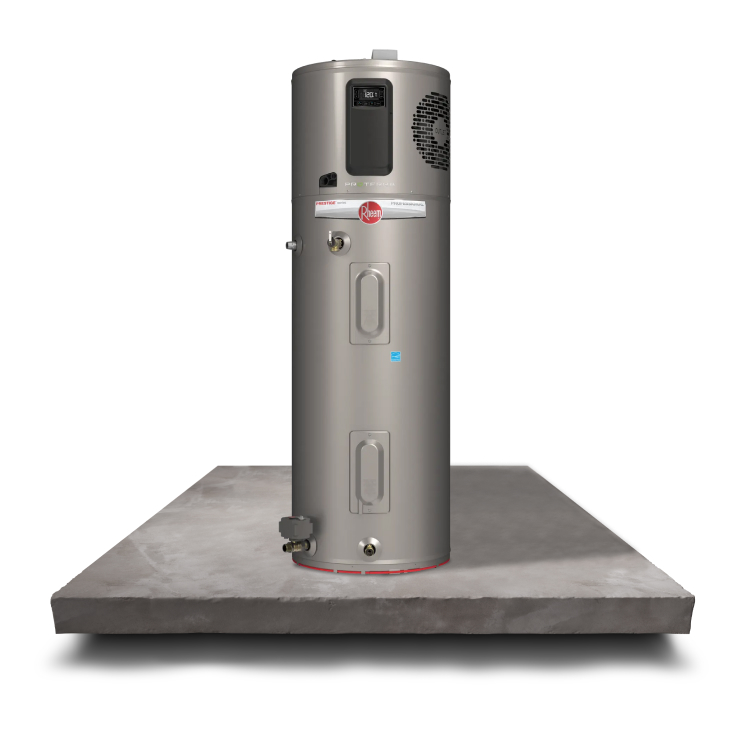
This hybrid system uses heat pump technology to heat water efficiently while maintaining a small environmental footprint. It includes Wi-Fi control and energy usage tracking.
Why it’s relevant: Hot water heating is one of the largest energy consumers in homes. Rheem’s system shows how smart design can cut consumption without sacrificing performance.
5. ChargePoint Home Flex EV Charger
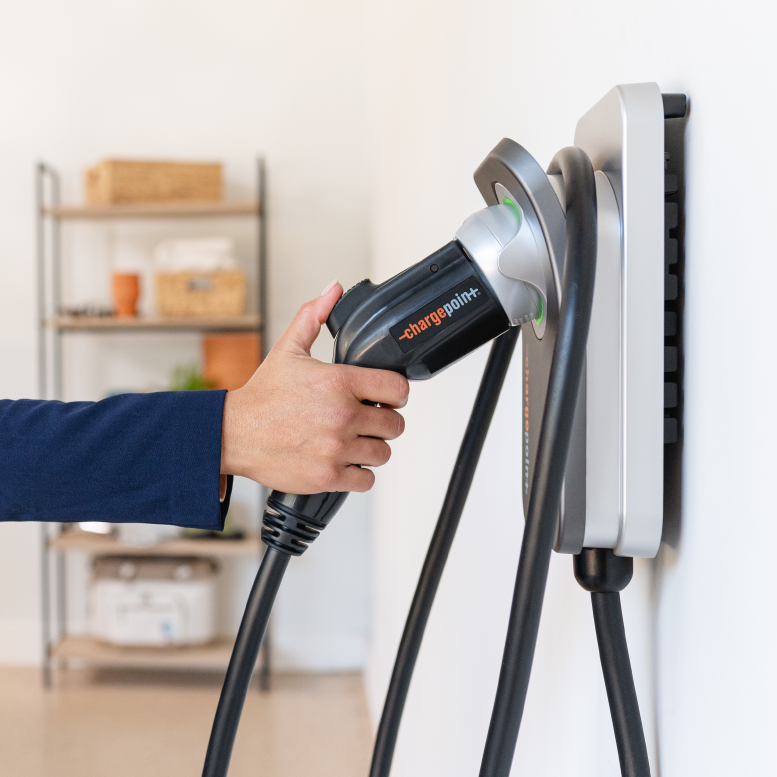
Designed for residential use, this EV charger adapts to various grid or solar setups and includes app-controlled charging, scheduling, and usage analytics.
Why it’s relevant: As electric vehicles become more common, integrated charging stations are a must for future-ready new homes.
Benefits of Smart and Efficient Energy for New Homes
Long-Term Cost Savings
Efficient systems may involve upfront costs but pay off in the long run through lower utility bills, tax incentives, and reduced maintenance expenses.
Comfort and Customization
Automated energy systems adapt to personal routines, offering comfort without constant manual adjustments. Zoned HVAC systems ensure ideal temperatures in each room.
Increased Home Value
New homes equipped with solar, smart panels, and EV chargers command higher resale values. Buyers prioritize energy efficiency and automation in modern home purchases.
Environmental Impact Reduction
By incorporating renewable energy and reducing overall usage, homeowners lower their carbon footprint, helping meet community and national sustainability goals.
Grid Resilience and Backup Capability
Energy storage systems provide security during blackouts, storms, or grid failures, which is becoming increasingly important due to extreme weather patterns.
Use Cases: Problems Solved by Smart Energy Planning in New Homes
Inconsistent Power Supply in Rural Areas
Homes in off-grid or remote areas benefit from solar-plus-storage setups, ensuring continuous power without reliance on distant grid infrastructure.
High Utility Bills in Newly Constructed Homes
Without proper energy planning, new homes can have inefficiencies despite modern construction. Smart systems identify and fix energy leaks early, saving money.
Sustainability Goals and Green Certifications
Builders and homeowners aiming for LEED or ENERGY STAR certification rely on integrated energy solutions to meet environmental benchmarks.
Aging Infrastructure in Urban Infill Developments
In cities, retrofitting isn’t always feasible. New homes with smart electrical panels and modular energy systems bypass the limitations of outdated local infrastructure.
Support for Remote Work and Digital Living
With more people working from home, energy needs for computers, HVAC, and lighting increase. Smart systems ensure comfort without waste, even during long workdays.
Frequently Asked Questions
Q1. What is the most efficient energy system for a new home?
The most efficient system depends on location, climate, and lifestyle. In most cases, a combination of solar PV, energy storage, and smart automation provides the best efficiency and flexibility for new homes.
Q2. Do smart energy systems add value to a home?
Yes. Features like solar power, EV chargers, and smart thermostats are increasingly sought after by buyers and can significantly increase resale value and marketability.
Q3. Can I control all my energy systems from one platform?
Many modern systems offer unified apps or integrate through platforms like Apple HomeKit, Google Home, or Amazon Alexa, enabling full control over lighting, HVAC, security, and energy from a single dashboard.