Energy Saving Trust Heat Pumps: A Complete Guide to Sustainable Heating and Real Efficiency Gains
As the UK accelerates its transition to net-zero carbon emissions, heat pumps have become a cornerstone of sustainable heating strategies. Backed by the Energy Saving Trust, heat pump systems are promoted as a highly efficient alternative to traditional boilers, helping reduce household energy consumption and greenhouse gas emissions. This comprehensive guide explores the role of heat pumps within the Energy Saving Trust framework, including benefits, technology, real-world examples, and common use cases.
Understanding Energy Saving Trust and Its Role in Heat Pump Promotion
The Energy Saving Trust (EST) is a UK-based non-profit organisation that champions energy efficiency and low-carbon solutions. EST provides impartial advice, research-backed resources, and government-backed programmes to help homeowners make informed energy decisions.
One of EST’s key initiatives is the promotion of air source and ground source heat pumps as alternatives to fossil fuel heating systems. By supporting educational campaigns, financial incentives (like the Boiler Upgrade Scheme), and product certifications, the Energy Saving Trust helps ensure homeowners can access reliable, efficient, and future-ready heating technology.
Heat pumps endorsed or supported by EST meet stringent energy performance standards and are often featured in retrofit or new-build energy efficiency programmes across England, Scotland, and Wales.
How Heat Pumps Work and Why They’re Efficient
Heat pumps operate by extracting heat from outside sources (air, ground, or water) and transferring it into your home. Even in cold weather, these systems can capture low-level heat and amplify it through a refrigeration cycle.
There are two main types:
-
Air Source Heat Pumps (ASHP): Extract heat from the outside air.
-
Ground Source Heat Pumps (GSHP): Draw heat from the ground using underground pipes.
Unlike gas boilers, which burn fuel to generate heat, heat pumps simply move existing heat. This results in far greater efficiency: a well-installed heat pump can deliver 3 to 4 times more heat energy than the electricity it consumes.
The Energy Saving Trust reports that switching from a gas boiler to a heat pump can reduce home carbon emissions by over 65%, especially when paired with a green electricity supplier.
Benefits of Using Heat Pump Technology Backed by the Energy Saving Trust
Exceptional Efficiency and Cost Savings
EST-certified heat pumps are required to meet minimum seasonal efficiency performance ratings. These systems reduce heating bills by leveraging naturally available energy, reducing the reliance on expensive fossil fuels over time.
Compatibility with Renewable Energy
Heat pumps are often paired with solar PV panels and battery storage systems. This synergy allows for even lower operating costs and greater independence from the grid, especially in homes seeking near-zero energy status.
Year-Round Climate Control
Modern heat pumps offer both heating and cooling, making them a year-round solution. In summer, they can reverse the cycle to provide air conditioning—something gas boilers cannot do.
Government Incentives and Grants
Because they contribute to national climate goals, heat pumps are eligible for grants and subsidies like the UK’s Boiler Upgrade Scheme. The EST plays a key role in guiding homeowners through application processes and eligibility checks.
Long-Term Reliability
Backed by years of R&D and government endorsement, EST-supported heat pump systems have long operational lives (often exceeding 15 years) with minimal maintenance when installed correctly.
Real-World Example Products and Use Cases
1. Vaillant aroTHERM Plus (Air Source Heat Pump)
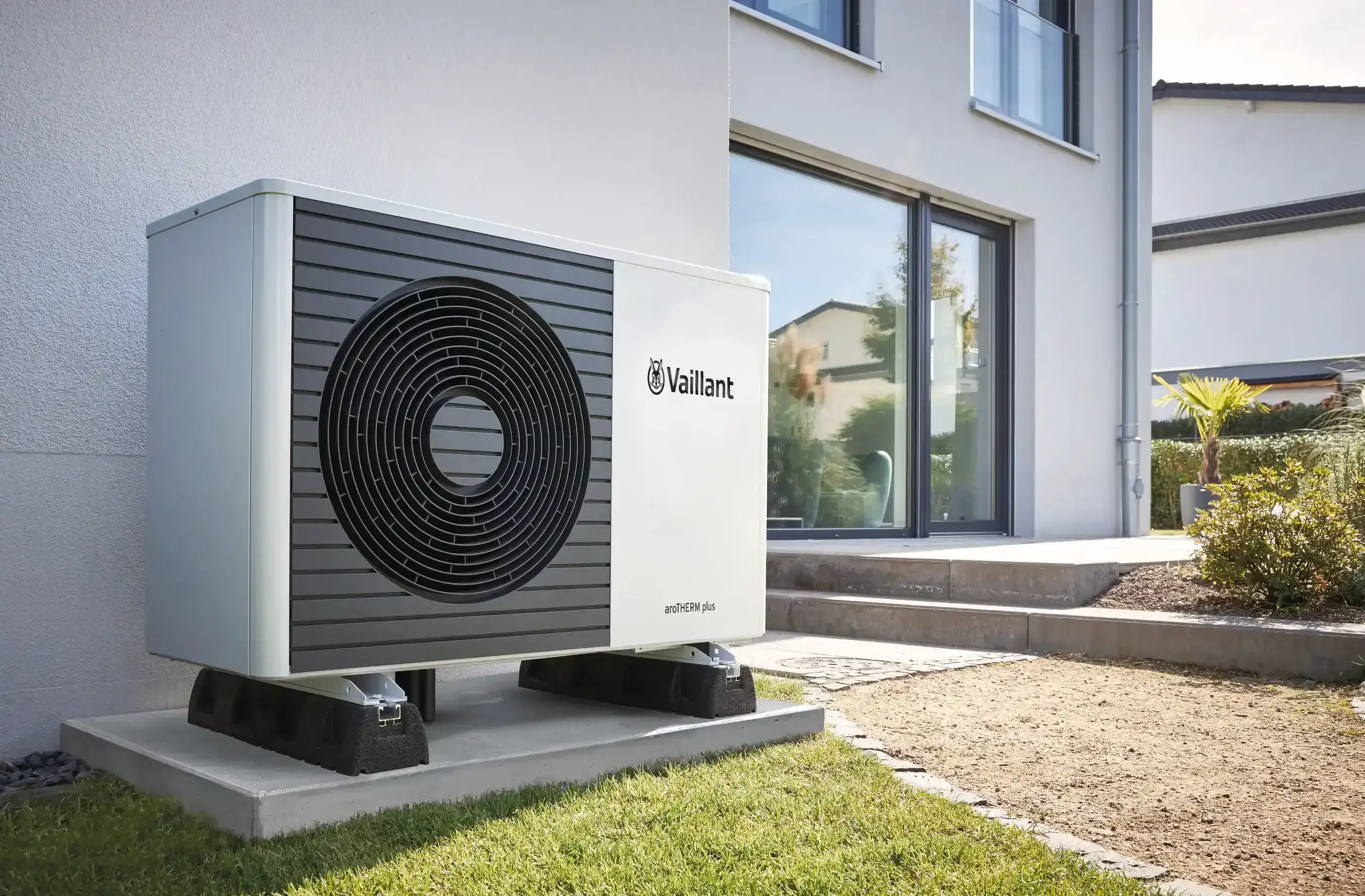
Vaillant’s aroTHERM Plus is a compact, quiet air source unit with an A+++ rating. It integrates easily into existing heating systems and includes smart controls.
Why it’s relevant: Supported by EST guidance, this pump suits a wide range of UK homes, especially in urban and suburban areas where space is limited.
2. Kensa Shoebox Heat Pump (Ground Source)
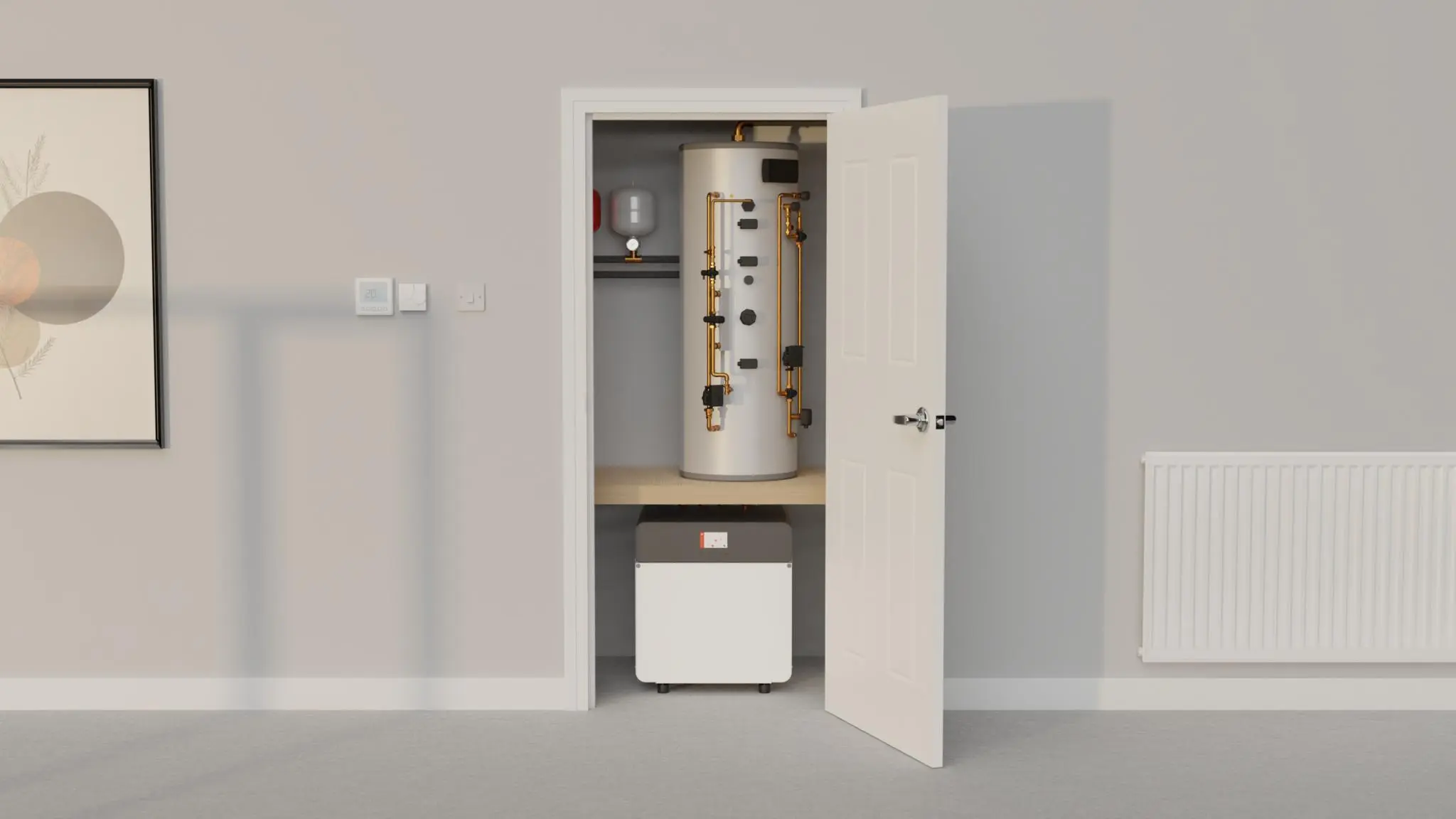
The Kensa Shoebox is a compact GSHP designed for flats and small homes. It connects to shared ground loops or boreholes, making it ideal for social housing or multi-unit installations.
Why it’s relevant: It demonstrates how the Energy Saving Trust encourages scalable, community-wide heating solutions with strong environmental benefits.
3. Daikin Altherma 3 H HT
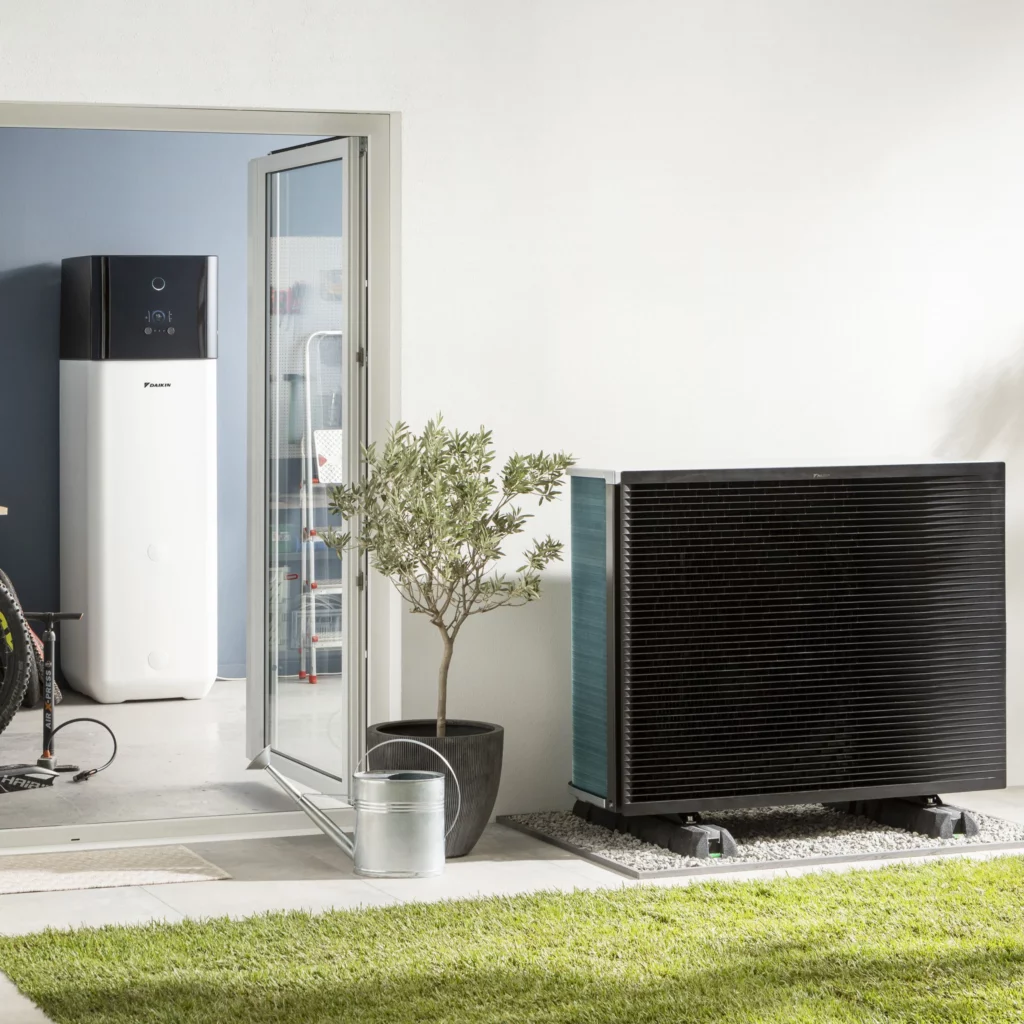
This high-temperature heat pump is suited to older homes that still use traditional radiators. It provides hot water up to 70°C and works in colder climates.
Why it’s relevant: EST guidance often addresses retrofits in the UK’s aging housing stock. This unit shows how heat pumps can modernize older buildings without full heating system overhauls.
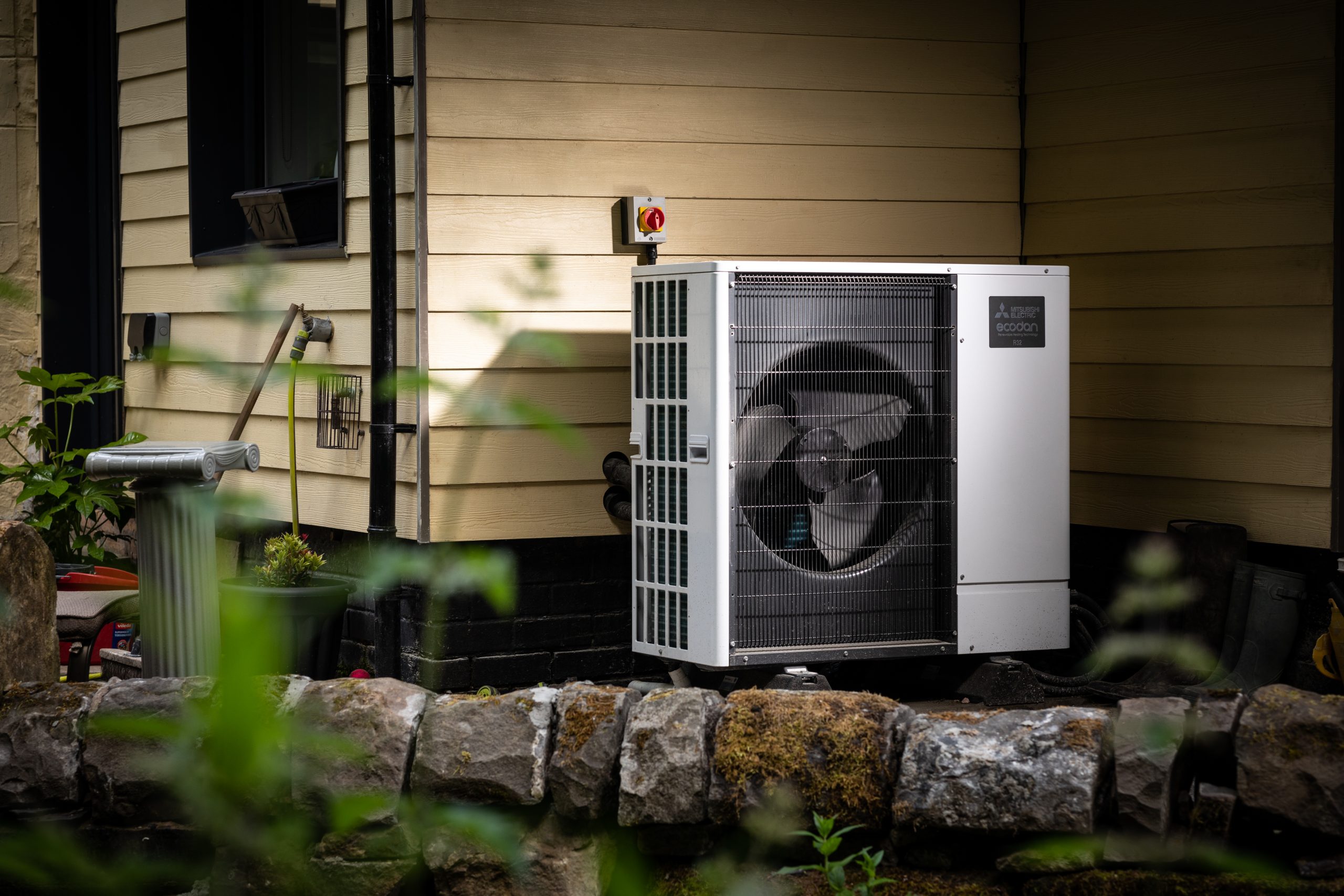
4. Mitsubishi Ecodan
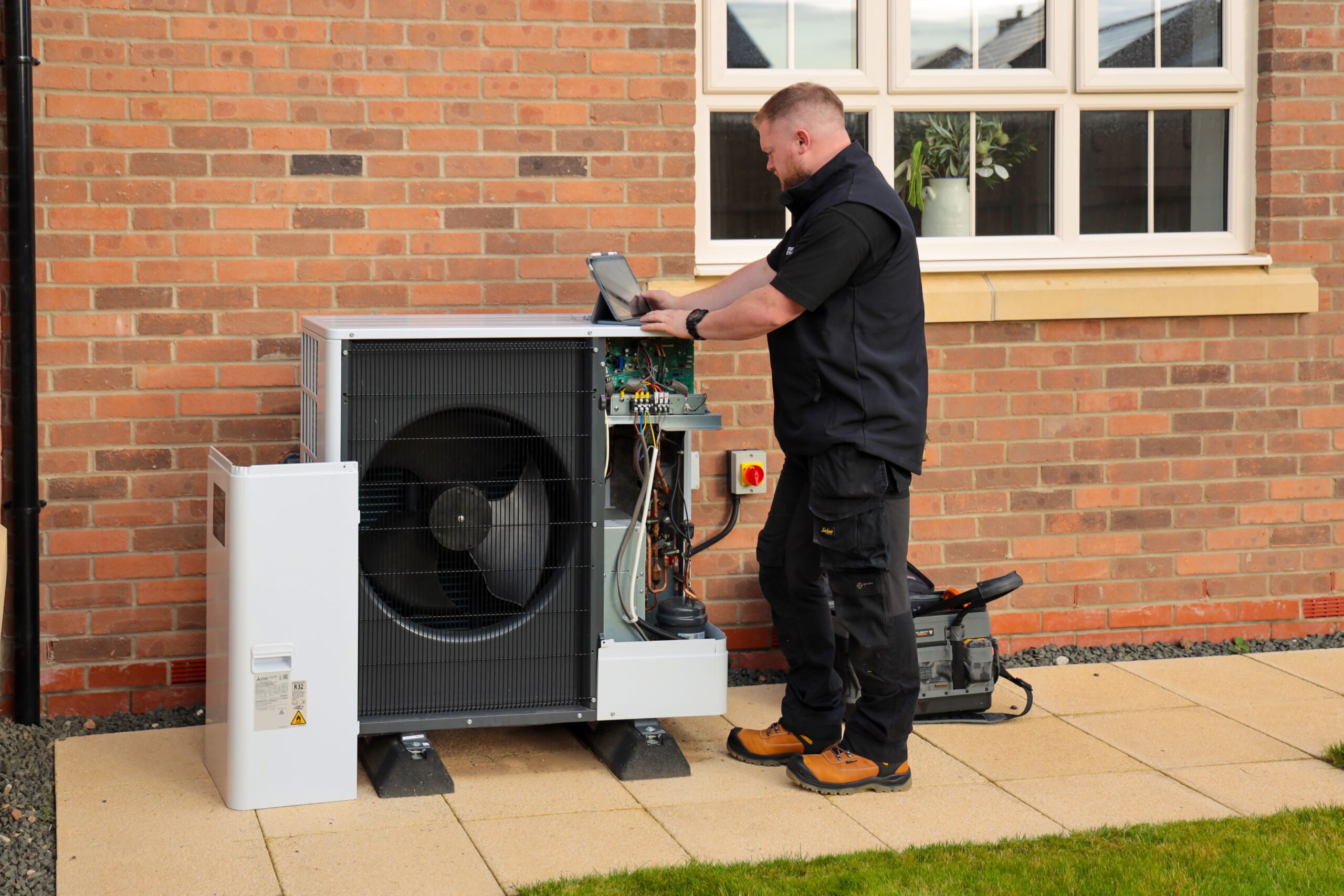
The Mitsubishi Ecodan range is a widely used ASHP brand across UK homes, known for its consistent efficiency, remote monitoring, and reliable backup support.
Why it’s relevant: This unit is featured in many EST case studies for homes transitioning from gas or oil heating in both rural and urban regions.
5. NIBE S2125 with VVM 500 Indoor Module
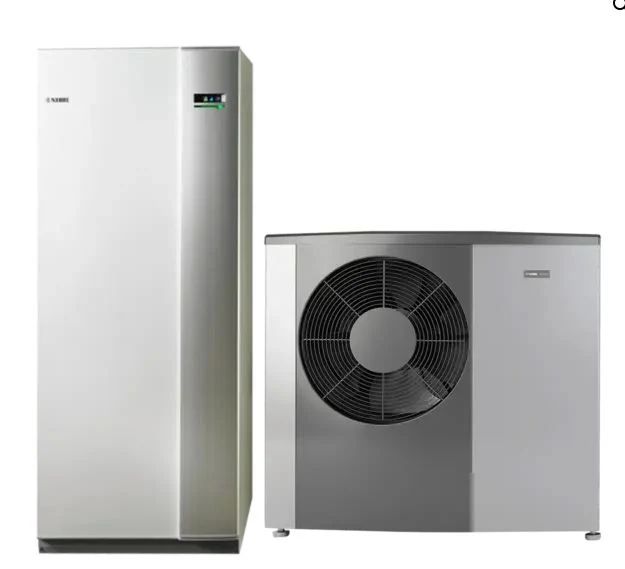
NIBE offers a powerful and quiet air source system, ideal for energy-conscious new builds. It integrates with solar and can be controlled via smartphone.
Why it’s relevant: The Energy Saving Trust promotes whole-home energy systems. This setup shows how heat pumps can be central to smart, low-carbon housing design.
Benefits of Heat Pumps in Practical Use
Improved Indoor Air Quality
Unlike combustion systems, heat pumps don’t emit indoor pollutants like carbon monoxide. They reduce humidity fluctuations and often include air filtering features, making homes healthier.
Futureproofing Against Energy Price Volatility
Electricity is becoming cleaner and more stable in price, while gas prices remain volatile. Heat pumps insulate homeowners from fossil fuel market swings.
Reduced Maintenance Needs
Heat pumps have fewer moving parts compared to combustion boilers. This lowers the frequency and cost of servicing, especially with modern smart diagnostics built into EST-endorsed units.
Contribution to National Emission Goals
Using a heat pump significantly lowers a household’s carbon footprint. This aligns with the UK’s Climate Change Act and helps support local clean air zones and energy efficiency targets.
Low-Noise Operation
Modern heat pumps are extremely quiet, often quieter than dishwashers. This makes them suitable for all property types, including terraced and semi-detached homes.
Common Use Cases for Energy Saving Trust Heat Pumps
Replacing Oil Boilers in Rural Homes
Many UK homes in rural areas still rely on oil, which is costly and polluting. Heat pumps, especially ground source units, are a cleaner, lower-maintenance alternative.
New Build Developments with Net-Zero Ambitions
Developers seeking to meet zero-carbon building codes often install heat pumps with solar and battery systems. EST offers guidance and support on integrating systems efficiently.
Social Housing Upgrades
Housing associations leverage EST-backed advice to retrofit entire housing estates. These upgrades reduce tenant fuel poverty and improve compliance with EPC standards.
Home Renovation Projects
Renovators looking to reduce emissions and boost property value are turning to ASHPs with EST guidance. Integration is easier during major refurbishments when plumbing and layout can be optimized.
Urban Apartment Retrofits
Heat pumps like the Kensa Shoebox or split-unit ASHPs allow apartments to enjoy efficient heating without structural overhauls. Shared loop arrays and communal controls enhance feasibility.
Frequently Asked Questions
Q1. Does the Energy Saving Trust offer financial support for installing a heat pump?
While the EST itself doesn’t provide funding, it guides homeowners through available schemes like the Boiler Upgrade Scheme, offering clarity on eligibility and application steps.
Q2. Are heat pumps suitable for older UK homes with poor insulation?
Yes, but efficiency depends on insulation. EST strongly recommends combining heat pump installation with insulation upgrades to ensure optimum performance and energy savings.
Q3. Can a heat pump fully replace my gas boiler?
In most homes, yes. Modern high-temperature ASHPs and GSHPs can meet the full heating and hot water demands of a property. The EST provides guidance on choosing the right model based on property size and heating needs.