A Comprehensive Guide to the Mass Save Energy Program and How It Helps You Save in 2025
Mass Save is a collaborative initiative in Massachusetts that offers rebates, incentives, and technical assistance to help residents and businesses reduce their energy consumption. As climate challenges grow and utility bills rise, understanding the Mass Save program is more important than ever. In this guide, we dive into what Mass Save is, how it works, its technological advantages, real-world examples, and why it plays a key role in making homes and commercial buildings more energy-efficient.
What is the Mass Save Energy Program?
Mass Save is an energy efficiency program funded by Massachusetts’ gas and electric utility companies, designed to help residents, landlords, and businesses reduce their energy usage and lower their energy bills. Supported by the Massachusetts Department of Energy Resources (DOER), this initiative is part of the state’s broader efforts to reduce carbon emissions and promote sustainable energy solutions.
The program offers various benefits, including no-cost home energy assessments, insulation incentives, heating and cooling rebates, and financial support for upgrading to energy-efficient appliances. These initiatives are meant to drive long-term savings and improve home comfort.
One of the program’s unique strengths is its personalized approach. Participants can receive customized recommendations based on their household’s or building’s specific energy usage patterns, ensuring optimal outcomes from energy-saving improvements.
How the Mass Save Program Works
The process starts with a no-cost energy assessment, where a certified specialist evaluates your property’s energy consumption. Based on the evaluation, they suggest improvements such as upgraded insulation, energy-efficient lighting, or advanced HVAC systems.
From there, the program may offer incentives like:
-
75-100% off insulation installation
-
Up to $15,000 in heat pump rebates
-
No-cost air sealing
-
Rebates on ENERGY STAR® certified appliances
-
Low or zero-interest HEAT Loan financing
These upgrades aim to reduce energy waste, lower carbon footprints, and improve indoor comfort, making them ideal for homeowners, landlords, renters, and commercial property owners.
Benefits of Using Energy Efficiency Technology with Mass Save
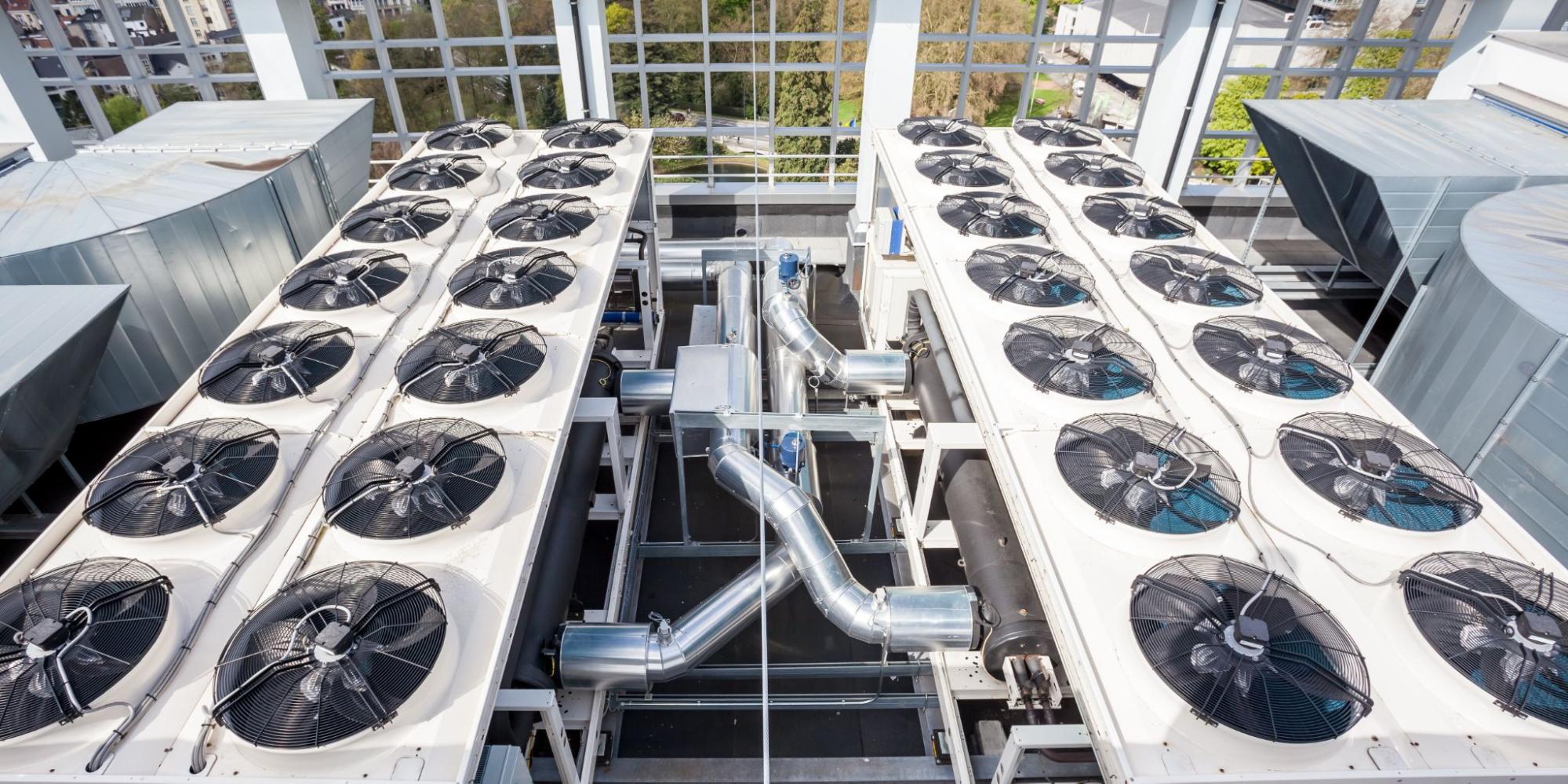
Mass Save isn’t just about saving money—it’s about building a smarter, more sustainable future. The technologies supported by the program are among the most advanced in the industry. From mini-split heat pumps to smart thermostats, Mass Save pushes the adoption of modern systems that perform better, use less energy, and last longer.
Improved Comfort and Air Quality
Insulation and air sealing reduce drafts, stabilize indoor temperatures, and limit the infiltration of outdoor pollutants. The result is not just lower bills, but cleaner and more comfortable living environments.
Environmental Sustainability
The program’s focus on clean energy aligns with Massachusetts’ climate goals. By reducing energy demand at scale, Mass Save helps limit greenhouse gas emissions and supports the transition to a low-carbon economy.
Smart Energy Management
Many Mass Save incentives apply to smart home technologies that allow better control over energy usage. Smart thermostats, for instance, help homeowners optimize heating and cooling schedules, reducing energy waste without sacrificing comfort.
Financial Incentives for Long-Term Value
While the upfront cost of energy-efficient systems can be high, Mass Save lowers that barrier through rebates and 0% interest loans, making it easier for homeowners and businesses to invest in long-term savings.
Real-World Examples of Mass Save in Action
1. Heat Pump Systems
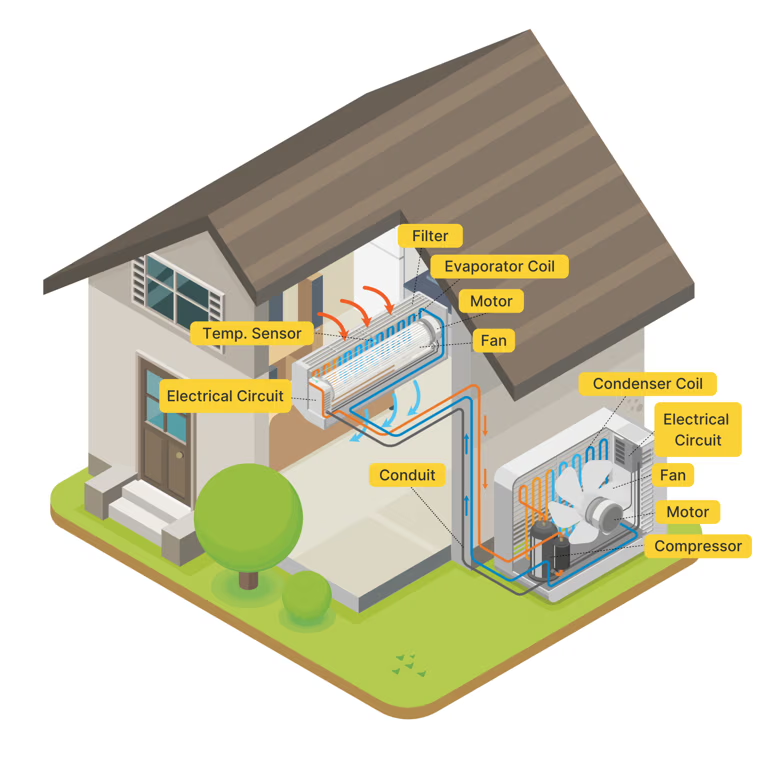
One of the most popular upgrades through Mass Save is the installation of ductless mini-split heat pumps. These systems provide both heating and cooling without the need for traditional ductwork. They are energy-efficient, quiet, and ideal for homes without existing central HVAC systems.
Incentives through Mass Save can cover up to $10,000 for qualified heat pump installations. Users report savings of up to 30% on heating bills after switching from oil or electric resistance heat.
2. Smart Thermostats
Mass Save often promotes smart thermostats like the Google Nest or ecobee. These devices automatically adjust your home’s temperature based on usage patterns, outside weather, and time of day. They contribute significantly to reduced HVAC runtime, translating to both energy and cost savings.
Homeowners have received rebates up to $100, and many have seen up to 12% reductions in heating costs and 15% on cooling annually.
3. Attic and Wall Insulation Upgrades

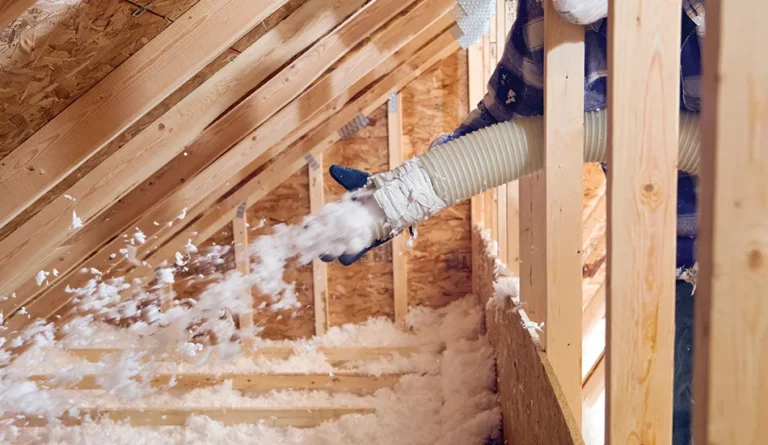
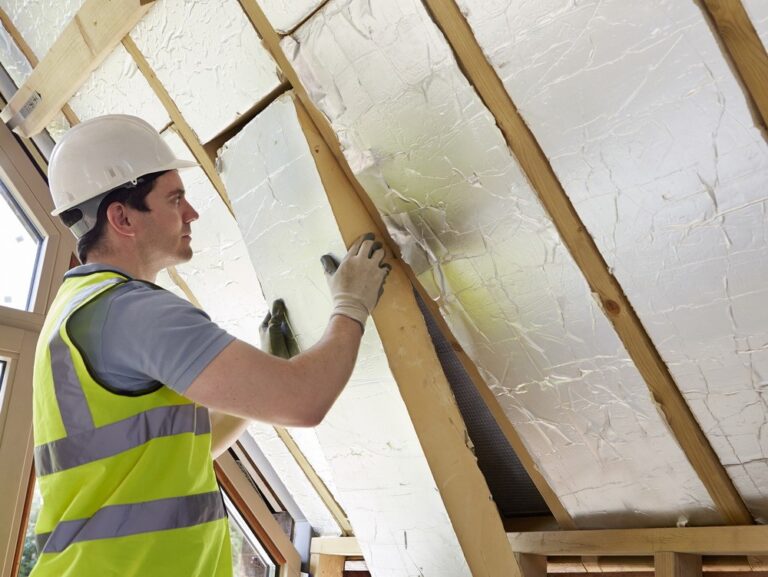
Mass Save covers 75-100% of insulation costs for eligible properties. This has a major impact on older homes where insulation is minimal or degraded. Proper insulation prevents heat loss in the winter and heat gain in the summer, drastically improving energy efficiency.
For instance, homeowners in Massachusetts have reported saving up to $500 annually on energy bills after insulation upgrades through Mass Save.
4. Home Energy Assessments
The no-cost Home Energy Assessment is the entry point for most homeowners. During this appointment, a professional examines your insulation, air sealing, lighting, and appliances. You receive a customized report outlining where energy is being wasted and what improvements are recommended.
Many participants also receive free energy-saving products during the assessment, such as LED bulbs and advanced power strips.
5. HEAT Loan Financing

Through the HEAT Loan Program, Mass Save offers interest-free financing for energy-efficient improvements up to $50,000. This allows homeowners to invest in technologies like solar hot water systems, central AC, and weatherization without incurring high upfront costs.
Because it’s interest-free, more families are empowered to make substantial energy-efficient changes that would otherwise be unaffordable.
Practical Use Cases and Everyday Benefits
Making Older Homes Energy Efficient
Many homes in Massachusetts were built before modern energy codes. These structures often suffer from heat loss and high utility bills. Mass Save provides a comprehensive strategy—from insulation to smart heating systems—to bring these homes up to modern efficiency standards without extensive remodeling.
Assisting Low-Income Households
Low-to-moderate income families can qualify for even more aggressive incentives through the program. Some receive 100% off weatherization and access to tailored financing options, helping bridge the energy affordability gap in the state.
Supporting Landlords and Tenants
Mass Save also serves multifamily buildings and landlords by offering whole-building upgrades that enhance property value and tenant satisfaction. Improved insulation and HVAC systems reduce complaints and maintenance costs while improving retention.
Empowering Small Businesses
Small businesses can access free energy audits, lighting upgrades, and refrigeration controls. These efficiency improvements lead to operational savings that boost profit margins and sustainability efforts simultaneously.
Frequently Asked Questions (FAQ)
Q1. What is included in a Mass Save Home Energy Assessment?
A Mass Save Home Energy Assessment includes a thorough inspection of your home’s insulation, air sealing, HVAC systems, lighting, and appliances. The specialist provides a custom report with recommended improvements, and many participants also receive free items like LED bulbs and power strips during the visit.
Q2. Who is eligible for Mass Save incentives?
Massachusetts residents who receive electricity or gas service from a participating utility are eligible. This includes homeowners, renters, landlords, and small business owners. Eligibility for certain incentives may vary based on income, building type, or existing systems.
Q3. How much money can I save with Mass Save?
Savings vary depending on the improvements you choose and your home’s current condition. Homeowners commonly report 20–30% reductions in heating and cooling costs after insulation and heat pump installations. Additional savings come from rebates and reduced maintenance costs.