Maximizing Energy Efficiency with Mass Save Insulation
Mass Save insulation programs have become a cornerstone of energy efficiency improvements in Massachusetts homes. Designed to help homeowners and renters reduce energy costs and increase indoor comfort, this initiative supports a variety of insulation options and rebates. In this guide, you’ll discover what Mass Save insulation entails, how it works, and why it’s essential for modern households seeking sustainable living.
What Is Mass Save Insulation?
Mass Save is a collaborative energy efficiency initiative sponsored by Massachusetts utility and energy service providers. One of its key offerings is home insulation support, helping homeowners affordably upgrade their properties to improve energy performance.
Insulation under Mass Save typically includes materials such as cellulose, fiberglass batts, and spray foam. These materials are professionally installed to reduce air leakage and maintain consistent indoor temperatures throughout the seasons. The program often covers a significant portion of the cost, making insulation more accessible for residents across the state.
Mass Save insulation is especially beneficial for older homes that were built without adequate insulation. By participating, residents can take advantage of both financial and environmental gains, helping Massachusetts meet its climate goals.
How the Mass Save Insulation Program Works
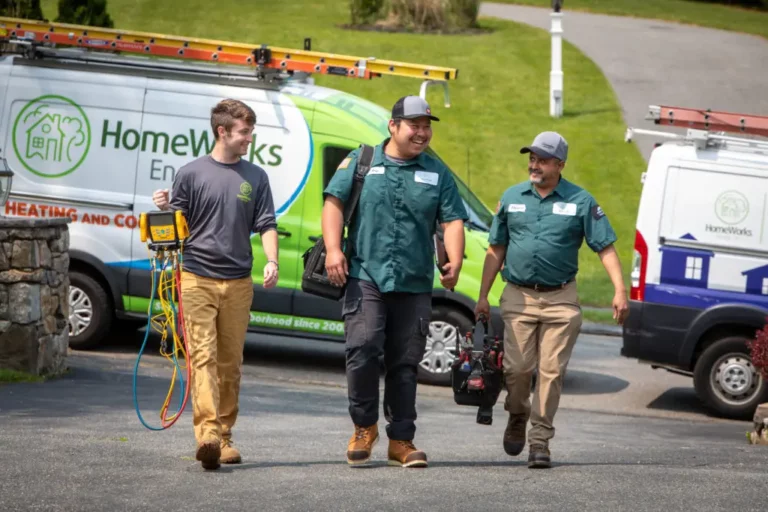
The process starts with a no-cost home energy assessment conducted by a certified Mass Save specialist. During this assessment, the professional evaluates the current insulation, identifies areas of improvement, and determines eligibility for rebates or incentives.
Once the assessment is complete, homeowners are provided with a detailed report and recommendations for insulation upgrades. If approved, they can receive 75% to 100% off the cost of approved insulation work. The work is then carried out by approved contractors to ensure quality and compliance with energy standards.
This end-to-end process makes it easier for residents to access energy-saving upgrades without navigating complex technical or financial obstacles.
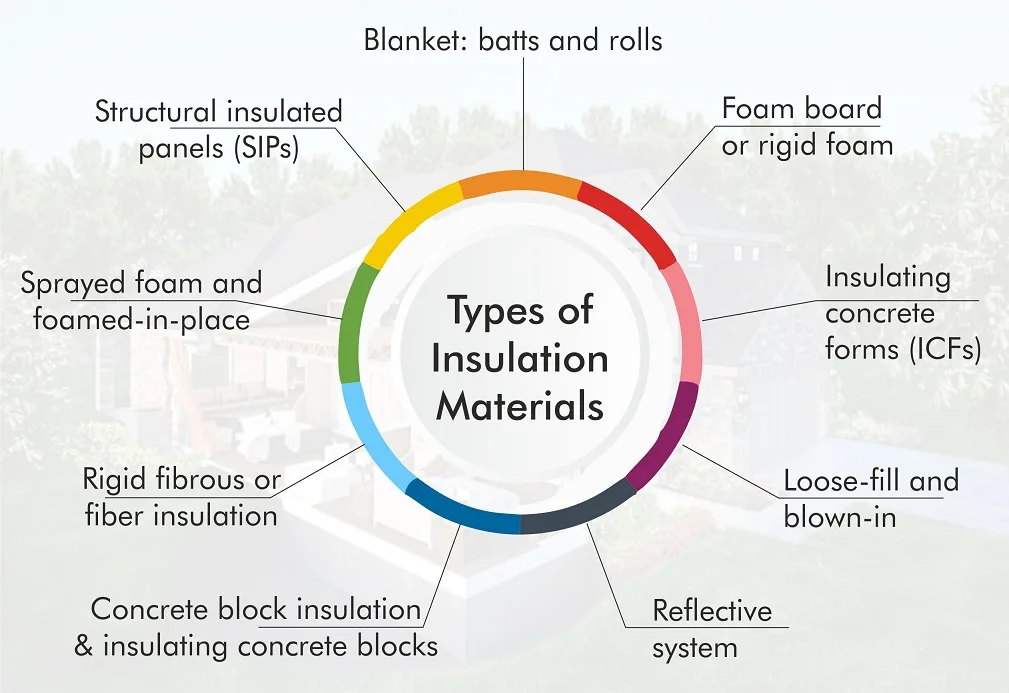
Types of Insulation Materials Covered by Mass Save
Cellulose Insulation
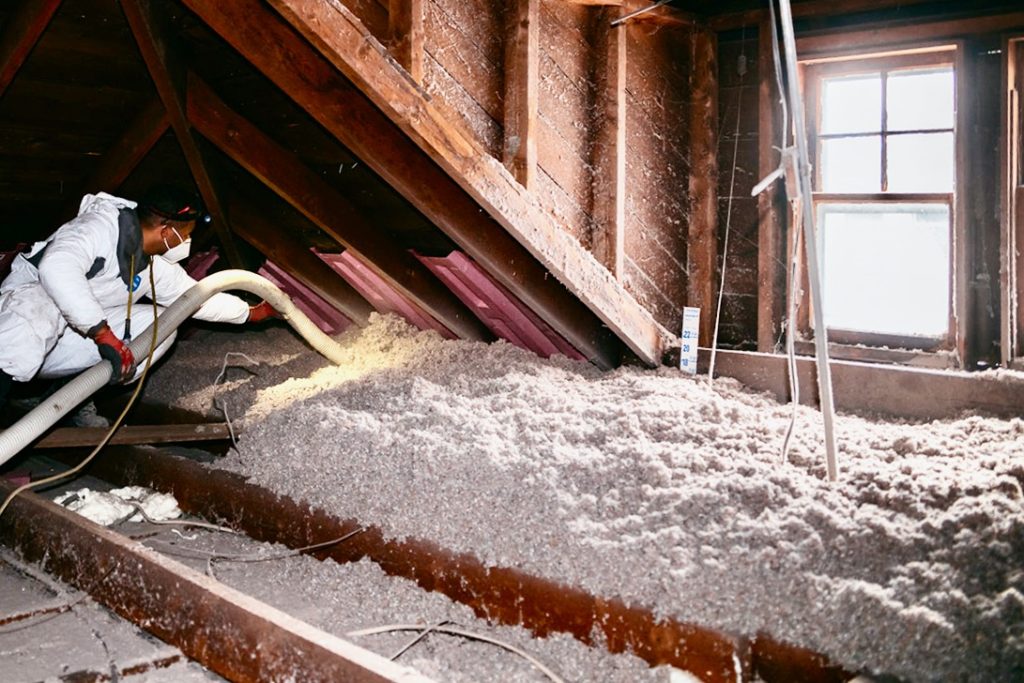
Cellulose insulation is made from recycled paper products treated with fire retardants. It’s an eco-friendly option that performs exceptionally well in wall cavities and attics. Mass Save often recommends cellulose for its balance of affordability and performance.
Cellulose is blown into spaces, allowing it to fill gaps and voids that are hard to reach with batt insulation. It’s especially useful in retrofitting older homes and is known for its sound-dampening qualities as well.
Fiberglass Batts
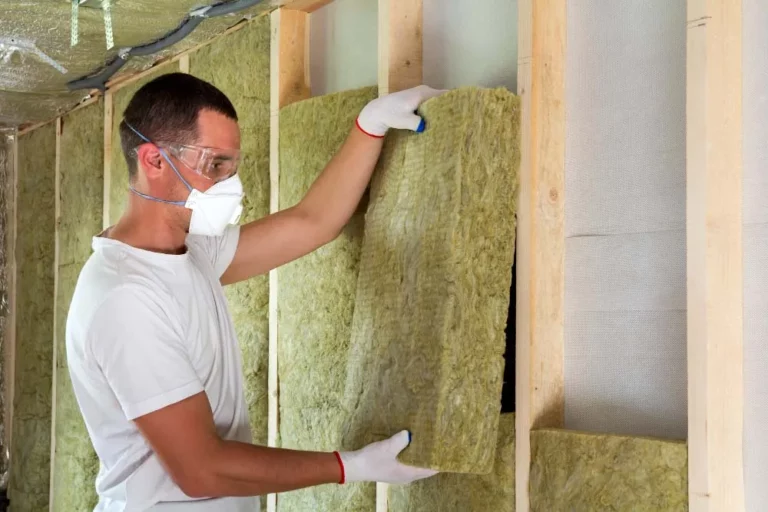
Fiberglass batt insulation is one of the most common types used in residential settings. It’s available in pre-cut panels and is ideal for insulating open areas such as attics, walls, and floors. The Mass Save program supports its use in appropriate locations due to its fire resistance and ease of installation.
Fiberglass provides reliable thermal resistance (R-value) and is typically more cost-effective upfront. It does require professional installation to avoid gaps or compression, which can compromise its effectiveness.
Spray Foam Insulation
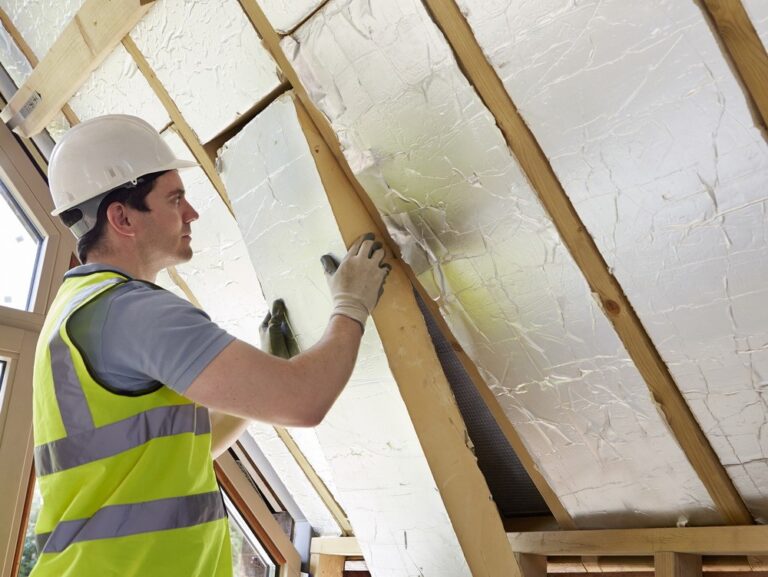
Spray foam insulation is a high-performance option that expands on application, sealing even the smallest cracks and crevices. It comes in open-cell and closed-cell varieties, each offering excellent air sealing and moisture control.
Although more expensive than other types, spray foam delivers a higher R-value per inch and is highly recommended in hard-to-reach or moisture-prone areas. Mass Save may cover part of the cost, especially in attics or basement rim joists, where its performance is unmatched.
Real-World Examples of Mass Save Insulation Use Cases
1. Colonial Home in Worcester, MA
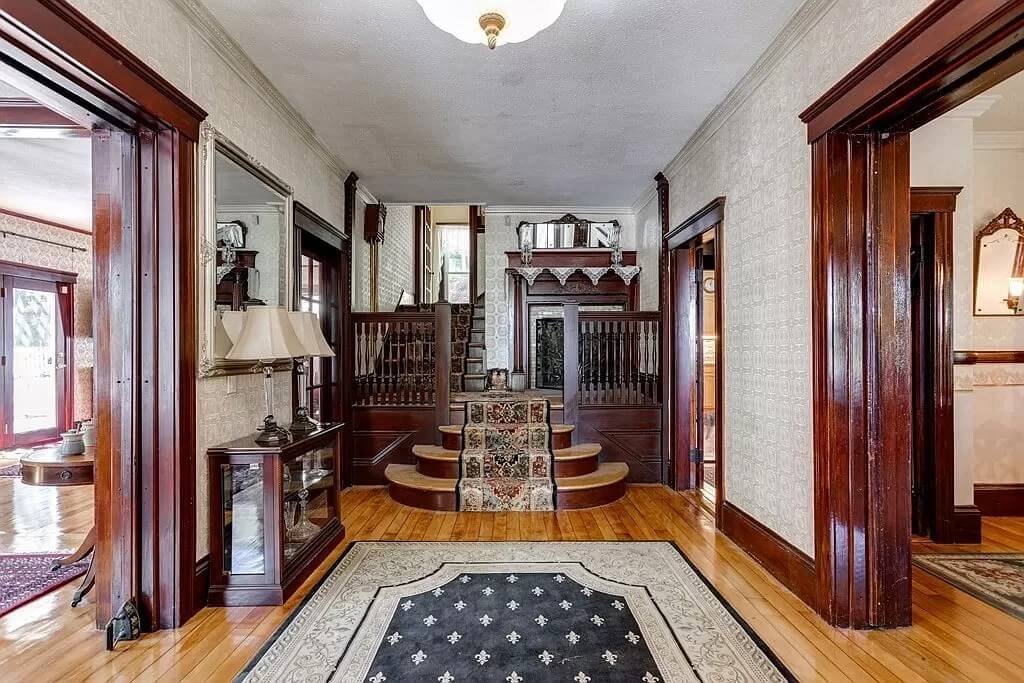
A 1950s-era colonial home in Worcester underwent a complete insulation upgrade through Mass Save. The no-cost home energy assessment revealed poor attic insulation and significant heat loss through the basement ceiling.
Cellulose was blown into the attic, and fiberglass batts were added in the basement. The homeowner reported a noticeable improvement in indoor comfort and a 20% reduction in heating bills within the first year. The entire upgrade was subsidized at 90%, showcasing the program’s affordability.
2. Multi-Family Unit in Lowell, MA
A three-family home in Lowell participated in the Mass Save program to address uneven heating across floors. Spray foam insulation was applied to the rim joists and attic slopes. This helped eliminate drafts and temperature differences between apartments.
All three tenants experienced better comfort, and the landlord benefited from increased property value and tenant satisfaction, highlighting how Mass Save serves both renters and landlords.
3. Historic Property in Cambridge, MA
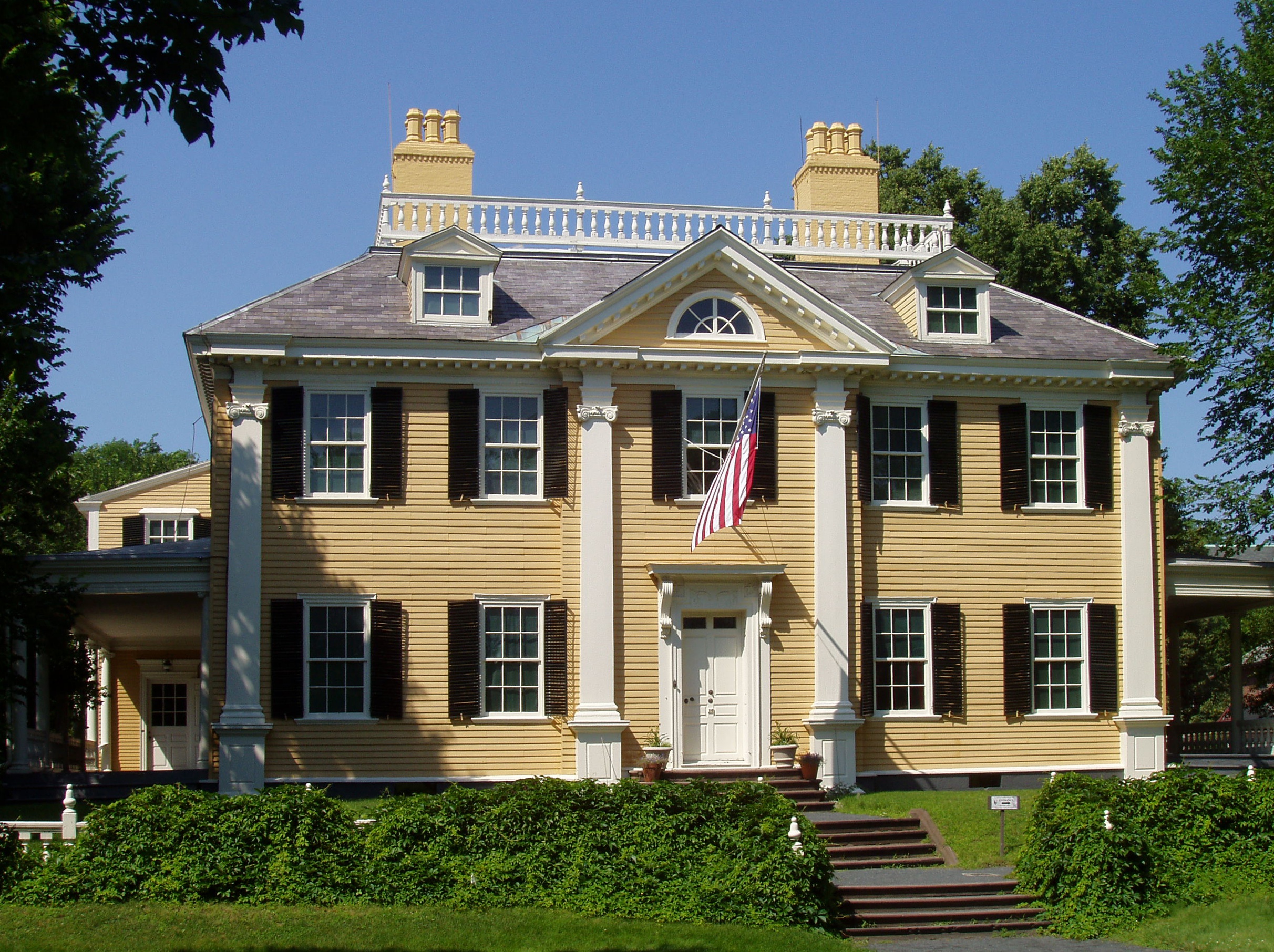
A historic property built in 1898 took advantage of Mass Save insulation to maintain architectural integrity while upgrading energy efficiency. Blown-in cellulose insulation was discreetly installed in exterior walls and rooflines without disturbing the interior aesthetic.
The project was eligible for a full 100% incentive due to the property’s income level and historic nature. Post-installation, energy use dropped significantly, and the house preserved its original charm while achieving modern comfort.
4. Cape Cod Home in Barnstable, MA
A coastal property in Barnstable needed insulation that could withstand humidity and prevent mold. Closed-cell spray foam insulation was installed in crawl spaces and attic slopes. The insulation not only stabilized indoor temperatures but also acted as a vapor barrier.
The homeowner appreciated the dual function of insulation and moisture protection, making it a smart choice for coastal environments. Mass Save covered 75% of the cost, turning a premium solution into an affordable investment.
5. Suburban Ranch in Springfield, MA

This single-story ranch home faced skyrocketing energy bills due to poor wall insulation.
The homeowner received 90% coverage of the total project cost. Within months, they noticed reduced heating and cooling cycles, proving that proper insulation enhances HVAC efficiency and prolongs system lifespan.
Benefits of Using Mass Save Insulation Technology
Mass Save insulation technology offers tangible and lasting benefits for Massachusetts residents. One of the primary advantages is significant energy savings. By preventing heat loss in winter and maintaining cool air in summer, homes consume less energy, reducing monthly utility bills by 15% to 25% on average.
Another key benefit is enhanced indoor comfort. Proper insulation eliminates cold drafts, uneven temperatures, and moisture issues. This is particularly important for families with children, seniors, or individuals with respiratory sensitivities.
Insulation also contributes to quieter indoor environments by dampening outside noise. This is especially valuable in urban or high-traffic neighborhoods. Additionally, insulated homes have better indoor air quality, as they prevent dust, allergens, and outdoor pollutants from infiltrating living spaces.
Lastly, by participating in the Mass Save program, residents are supporting statewide environmental goals. Improved insulation reduces overall energy consumption, helping Massachusetts meet its carbon emissions reduction targets while promoting a cleaner, greener future.
Practical Use Cases and Problems Solved
Mass Save insulation solves a variety of real-life problems that affect homeowners and renters across Massachusetts.
Drafty Rooms: One of the most common complaints from residents is cold or drafty rooms, especially during winter. Proper insulation seals gaps in walls, attics, and basements, eliminating temperature inconsistencies.
High Energy Bills: Homes without adequate insulation rely heavily on HVAC systems, driving up energy costs. Mass Save insulation reduces heating and cooling needs, leading to long-term cost savings.
Moisture and Mold Issues: In humid areas or older homes, poor insulation can lead to condensation, fostering mold growth. Spray foam insulation addresses this by acting as both an insulator and a moisture barrier.
Uncomfortable Living Conditions: From bedrooms that are too hot in summer to basements that are too cold in winter, insulation stabilizes indoor temperatures, ensuring year-round comfort.
Environmental Impact: Many residents are looking to reduce their carbon footprint. Insulation is a simple yet powerful way to minimize household energy usage, supporting statewide sustainability efforts.
Frequently Asked Questions (FAQ)
Q1. Who qualifies for Mass Save insulation rebates?
Mass Save rebates are available to Massachusetts residents served by participating utility companies. Eligibility depends on your home’s energy efficiency assessment and may vary based on income, home type, and existing insulation levels.
Q2. How much of the insulation cost does Mass Save cover?
Mass Save typically covers 75% to 100% of approved insulation upgrades. Income-eligible residents may qualify for 100% coverage, while others often receive substantial subsidies that significantly reduce out-of-pocket costs.
Q3. What types of homes benefit the most from Mass Save insulation?
Older homes, especially those built before modern insulation standards, benefit greatly. However, even newer homes can see improvements in comfort and efficiency with targeted insulation enhancements recommended during a home energy assessment.