Mass Save Solar Program: A Comprehensive Guide to Clean Energy Savings in Massachusetts
The Mass Save Solar initiative refers to energy-efficiency incentives and support offered through the Mass Save program, which partners with Massachusetts utilities to help homeowners transition to cleaner, more efficient energy sources, including solar. While Mass Save doesn’t offer direct solar panel rebates, it plays a critical role in preparing homes for solar through energy assessments, insulation upgrades, and smart energy usage solutions.
Understanding the Mass Save Solar Initiative
Mass Save works with energy efficiency service providers and utility companies to help residents make informed, cost-effective decisions about energy usage. For homeowners considering solar, the program can be a foundational step that ensures their homes are optimized to benefit from solar energy generation, improving return on investment and maximizing long-term savings.
What Is Mass Save and How It Supports Solar Adoption?
Mass Save is a collaborative initiative sponsored by Massachusetts’ gas and electric utility companies. It promotes energy efficiency through rebates, no-cost home energy assessments, and financing options for qualified upgrades. Although it doesn’t directly install or finance solar systems, Mass Save creates an energy-efficient foundation upon which solar systems can thrive.
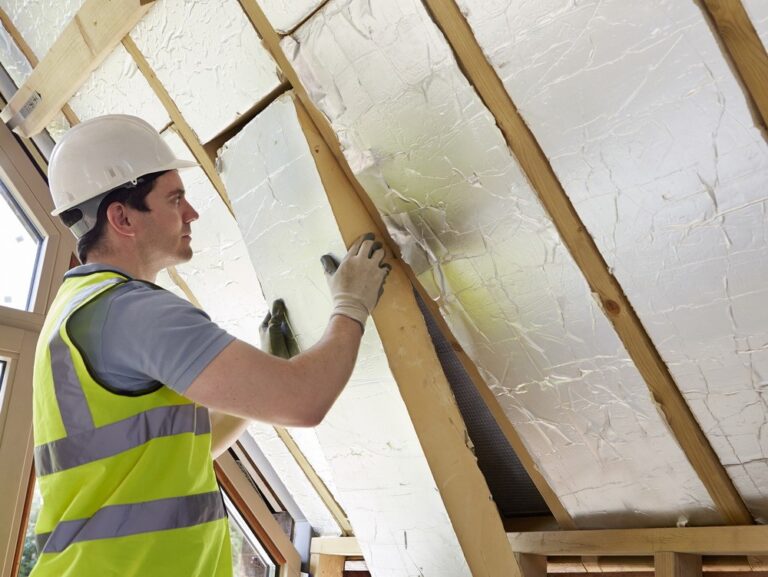
Homeowners who complete a Mass Save energy assessment may be eligible for weatherization improvements such as insulation and air sealing. These improvements are crucial before solar installation because they reduce overall energy consumption, allowing smaller solar systems to meet more of the home’s needs, thus improving cost-effectiveness.
In addition, by participating in the program, residents can access resources and guidance that lead them toward further clean energy options like net metering, SMART solar incentives, and potential third-party ownership opportunities.
The Role of Energy Efficiency Before Going Solar
One of the most important steps before investing in solar is ensuring that the home is as energy-efficient as possible. Through the Mass Save program, residents can schedule a Home Energy Assessment, which includes:
-
Blower door testing to identify air leaks
-
Insulation evaluation
-
HVAC system inspection
-
Review of lighting, appliances, and water heaters
These upgrades improve your home’s energy profile and reduce the amount of electricity you’ll need to offset with solar power. It also helps right-size your solar system—saving on installation costs and ensuring optimal performance.
Mass Save further supports this by offering 0% HEAT Loan financing for qualifying efficiency improvements, which can help homeowners prepare their properties for a solar-ready upgrade.
Benefits of Solar Integration with Mass Save Support
Integrating solar energy with a Mass Save-optimized home offers a range of practical and long-term benefits:
-
Lower Utility Bills: Combining solar energy with energy-efficient upgrades means less grid energy consumption, resulting in major cost savings on electricity bills.
-
Improved Energy Performance: A home that consumes less energy and produces its own through solar achieves peak efficiency and sustainability.
-
Reduced Carbon Footprint: Using solar energy significantly cuts greenhouse gas emissions, making your household part of the solution to climate change.
-
Enhanced Property Value: Energy-efficient, solar-equipped homes are attractive to buyers and often sell at a premium.
-
Access to State Incentives: Homes prepared through Mass Save can more easily qualify for other Massachusetts clean energy programs like the SMART solar incentive or net metering.
These advantages show how Mass Save doesn’t just support energy efficiency—it also lays the groundwork for a smarter, cleaner energy future through solar power.
Real-World Product Examples and Use Case
1. Smart Solar Inverter with Energy Monitoring
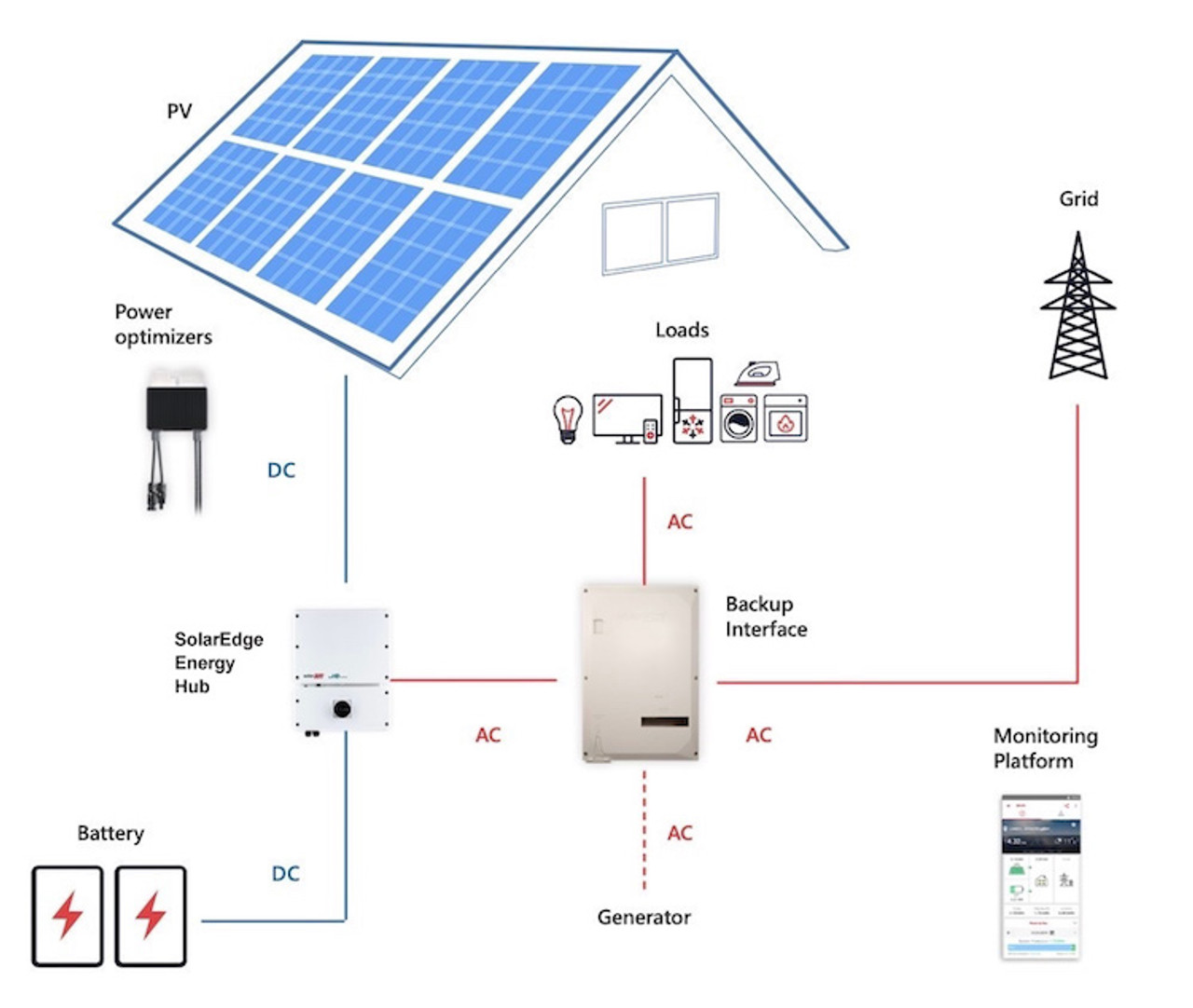
Many homeowners participating in the Mass Save program opt for solar inverters with built-in energy monitoring. This technology allows users to see real-time energy generation and consumption. When paired with Mass Save’s pre-solar efficiency upgrades, these systems help homeowners track how much of their energy comes from solar and how much is from the grid.
This integration ensures smarter decision-making around when to use or store energy, maximizing solar savings.
2. Mass Save-Approved Attic Insulation Before Solar
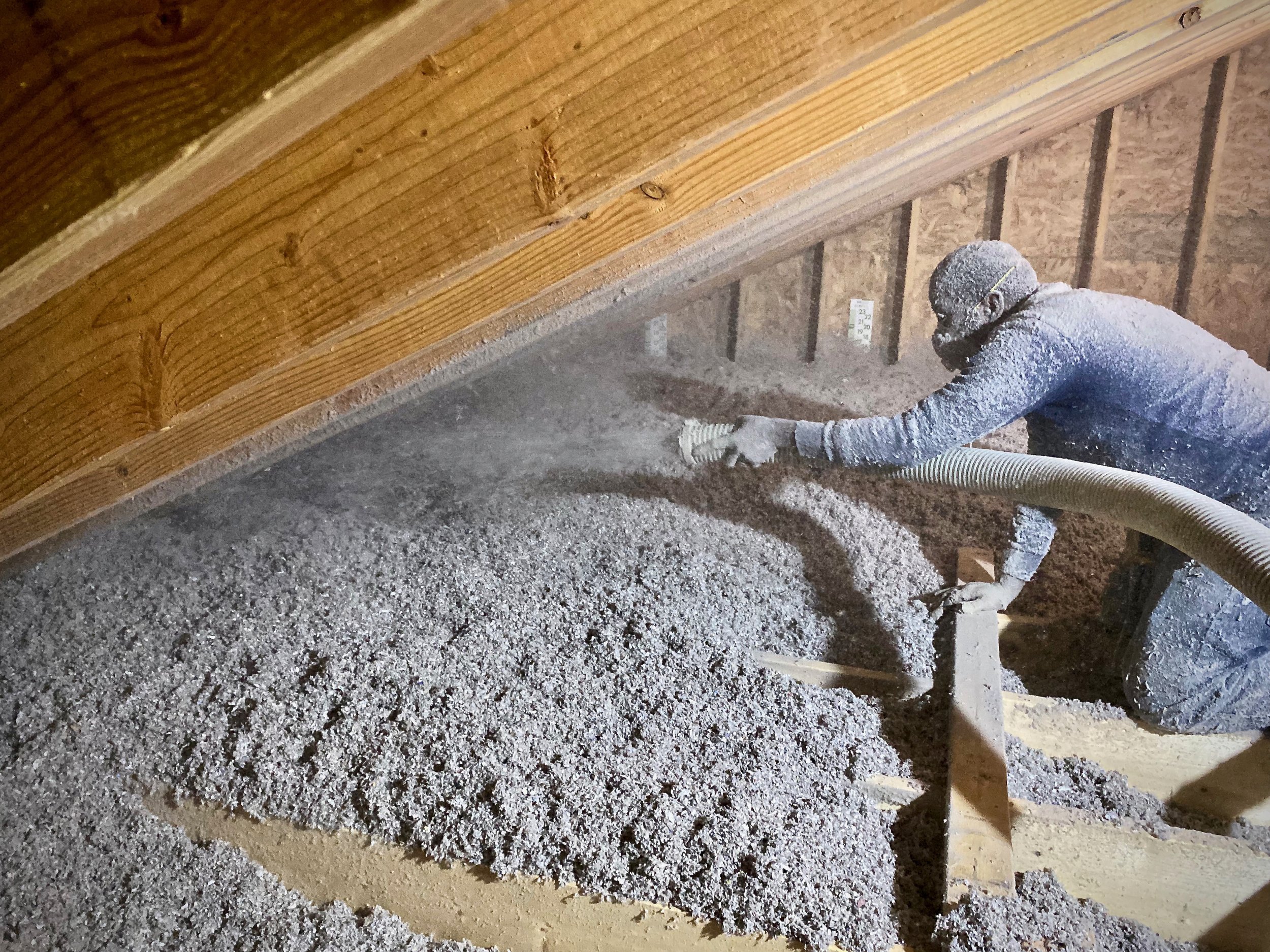
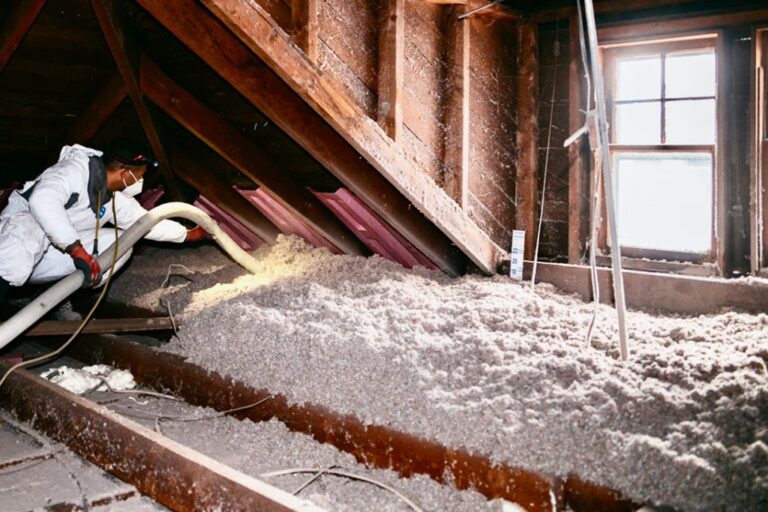
A homeowner in central Massachusetts scheduled a no-cost energy assessment through Mass Save. The assessment identified inadequate attic insulation, which was causing major energy loss. After getting subsidized cellulose insulation installed, the homeowner proceeded with a smaller, more affordable solar installation, since their energy demand had dropped.
This sequence highlights how pre-solar insulation can optimize system size and reduce investment costs.
3. Ductless Heat Pump Paired with Solar Power

Another popular upgrade supported by Mass Save is the installation of ductless mini-split systems for heating and cooling. These ENERGY STAR-certified units are eligible for rebates and can be powered by rooftop solar. After switching to mini-splits and upgrading insulation, one Boston homeowner reduced overall electricity consumption and used solar panels to fully offset the remaining load.
Combining these technologies created a net-zero energy home environment.
4. Using a 0% HEAT Loan to Prepare for Solar

Mass Save’s HEAT Loan provides interest-free financing for efficiency upgrades like insulation, windows, and HVAC systems. One homeowner used this loan to fund weatherization improvements before installing solar. With reduced monthly utility costs and no upfront financing burden, the homeowner was able to allocate more budget toward solar system design and battery integration.
This use case shows how smart financing can enable a more sustainable energy transition.
5. Smart Thermostat Optimization in a Solar-Ready Home

Through the Mass Save program, homeowners can receive rebates on ENERGY STAR smart thermostats. When installed before or alongside solar panels, these thermostats ensure heating and cooling schedules align with solar production peaks, maximizing self-consumption and minimizing grid reliance.
This strategy improves energy autonomy and contributes to further financial savings.
Real-Life Use Cases: Problems Solved by the Mass Save and Solar Integration
Use Case 1: Reducing Overheating and Cooling Costs in Older Homes
An older Victorian home in Worcester had poor insulation and suffered from excessive cooling costs in summer. After participating in Mass Save’s energy assessment, they installed blown-in cellulose insulation and received air sealing upgrades. Then, a 6 kW solar panel system was installed. The result was a 40% drop in energy use and a 70% offset in electricity costs.
Use Case 2: Making a Home Net-Zero Through Efficiency and Solar
A homeowner in Northampton wanted to eliminate energy bills and reduce environmental impact. Mass Save helped them assess and upgrade their insulation and install heat pump water heaters. With lower energy usage, they installed a solar system to cover the remaining demand. Now, their energy bills are virtually eliminated, and their home is net-zero.
Use Case 3: Financing Home Improvements Before Solar Panel Installation
In Springfield, a couple took advantage of Mass Save’s 0% HEAT Loan to install new windows, seal air leaks, and upgrade attic insulation. These steps dramatically reduced energy waste. Six months later, they installed a solar array and achieved significant savings with a smaller system thanks to reduced baseline consumption.
The Long-Term Value of Mass Save and Solar Integration
The synergy between the Mass Save program and solar energy adoption provides a roadmap for a cleaner, more efficient home. It’s not just about installing panels—it’s about creating a home environment that uses energy wisely. By improving insulation, reducing energy waste, and managing consumption through smart technologies, homeowners set the stage for solar success.
The result is a long-lasting reduction in utility bills, a healthier home, and a contribution to Massachusetts’ clean energy goals. Investing in both energy efficiency and renewable energy ensures that homeowners benefit from short-term rebates and long-term savings, while future-proofing their property in a carbon-conscious world.
Frequently Asked Questions
Q1. Does Mass Save offer direct incentives for solar panels?
No, Mass Save itself does not offer direct incentives or rebates for solar panel installation. However, it provides energy assessments and upgrades that make solar adoption more effective, and it works in tandem with other programs like SMART or federal tax incentives.
Q2. Can I get a solar-ready assessment through Mass Save?
While Mass Save does not perform solar-specific assessments, the energy audit it provides helps identify the home’s efficiency weaknesses. Addressing these issues ensures that any future solar system is sized correctly and functions at peak efficiency.
Q3. Should I complete Mass Save upgrades before installing solar?
Yes. It’s strongly recommended to complete Mass Save-supported efficiency upgrades first. Reducing your home’s energy load allows you to install a smaller, more cost-effective solar system that delivers better overall performance and savings.