Comprehensive Guide to Real Estate Development Group: Operations, Benefits, and Global Examples
A real estate development group is an organization or consortium that specializes in planning, financing, constructing, and managing real estate projects. These groups operate across residential, commercial, industrial, and mixed-use sectors, driving the transformation of raw land or underutilized properties into income-generating or community-enhancing developments.
What is a Real Estate Development Group?
Unlike individual property investors or contractors, a real estate development group brings together multidisciplinary expertise, including land acquisition, architecture, engineering, finance, legal compliance, marketing, and asset management. This integration allows for the execution of complex projects—from urban skyscrapers and suburban housing communities to smart business parks and sustainable resorts.
Key Functions of a Real Estate Development Group
A real estate development group functions as the central decision-maker and project driver across the entire property development lifecycle. Their core responsibilities typically include:
-
Land Acquisition: Identifying and acquiring suitable land parcels for development based on zoning laws, demographics, and market potential.
-
Project Planning: Designing the development concept, feasibility studies, master planning, and compliance with building regulations.
-
Funding & Investment: Securing capital through private equity, institutional funds, or joint ventures to finance construction and marketing.
-
Construction Oversight: Coordinating contractors, architects, and suppliers while ensuring that the build quality meets timelines and budgets.
-
Marketing & Leasing: Managing pre-sales, leasing, and tenant relations to generate revenue and long-term asset value.
These groups often collaborate with governments, environmental consultants, and technology providers to deliver high-performing, community-aligned developments.
1. Tishman Speyer – Urban Commercial Developments
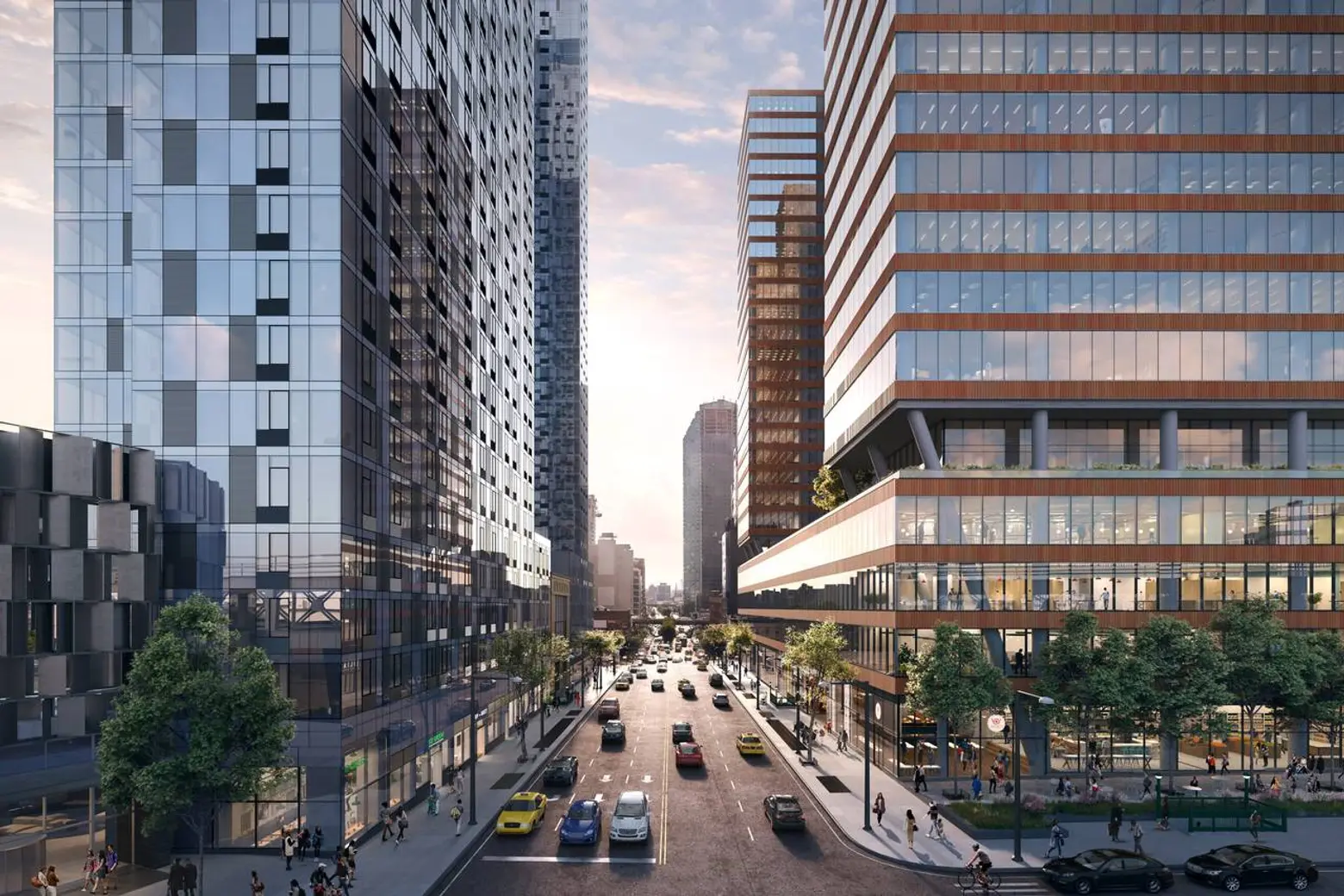
Tishman Speyer is a global real estate development group with projects spanning major cities like New York, London, Frankfurt, and São Paulo. Known for iconic commercial real estate projects like Rockefeller Center and The Spiral in Hudson Yards, the company blends architectural innovation with strong asset management.
Their real estate development strategy emphasizes sustainable design, flexible office spaces, and integration of wellness-focused amenities. Tishman Speyer’s global reach and local partnerships demonstrate how a development group can adapt to varying market dynamics while maintaining consistency in quality and vision.
2. CapitaLand – Mixed-Use Urban Development

CapitaLand, based in Singapore, is one of Asia’s largest diversified real estate development groups. With a portfolio covering over 260 cities in more than 40 countries, CapitaLand focuses on mixed-use developments that integrate residences, offices, malls, and green spaces.
An exemplary project is Raffles City Chongqing in China—a complex of skybridged towers blending hospitality, retail, and housing. The group’s strength lies in its ability to scale across continents while implementing cutting-edge sustainability measures and digital infrastructure.
3. Emaar Properties – Global Residential and Retail Projects

Emaar Properties, headquartered in the UAE, is best known for the Burj Khalifa and large-scale community developments like Dubai Marina and Downtown Dubai. This real estate development group manages everything from land acquisition to property management, offering turnkey urban ecosystems.
Emaar excels in luxury branding, lifestyle integration, and creating high-demand residential and retail destinations. Their ability to deliver large-scale developments within aggressive timelines highlights the operational capacity and strategic foresight of a top-tier development group.
4. Lendlease – Regenerative Urban Project

Lendlease is an Australia-based real estate development group focused on urban regeneration and sustainable design. Their projects, such as Barangaroo in Sydney and Elephant Park in London, are examples of turning underutilized land into vibrant, eco-conscious urban quarters.
Lendlease incorporates community engagement, low-carbon construction, and long-term planning to ensure developments align with both investor goals and public needs. Their approach shows how a development group can contribute to long-term environmental and social transformation.
5. China Vanke – Affordable and Smart Housing
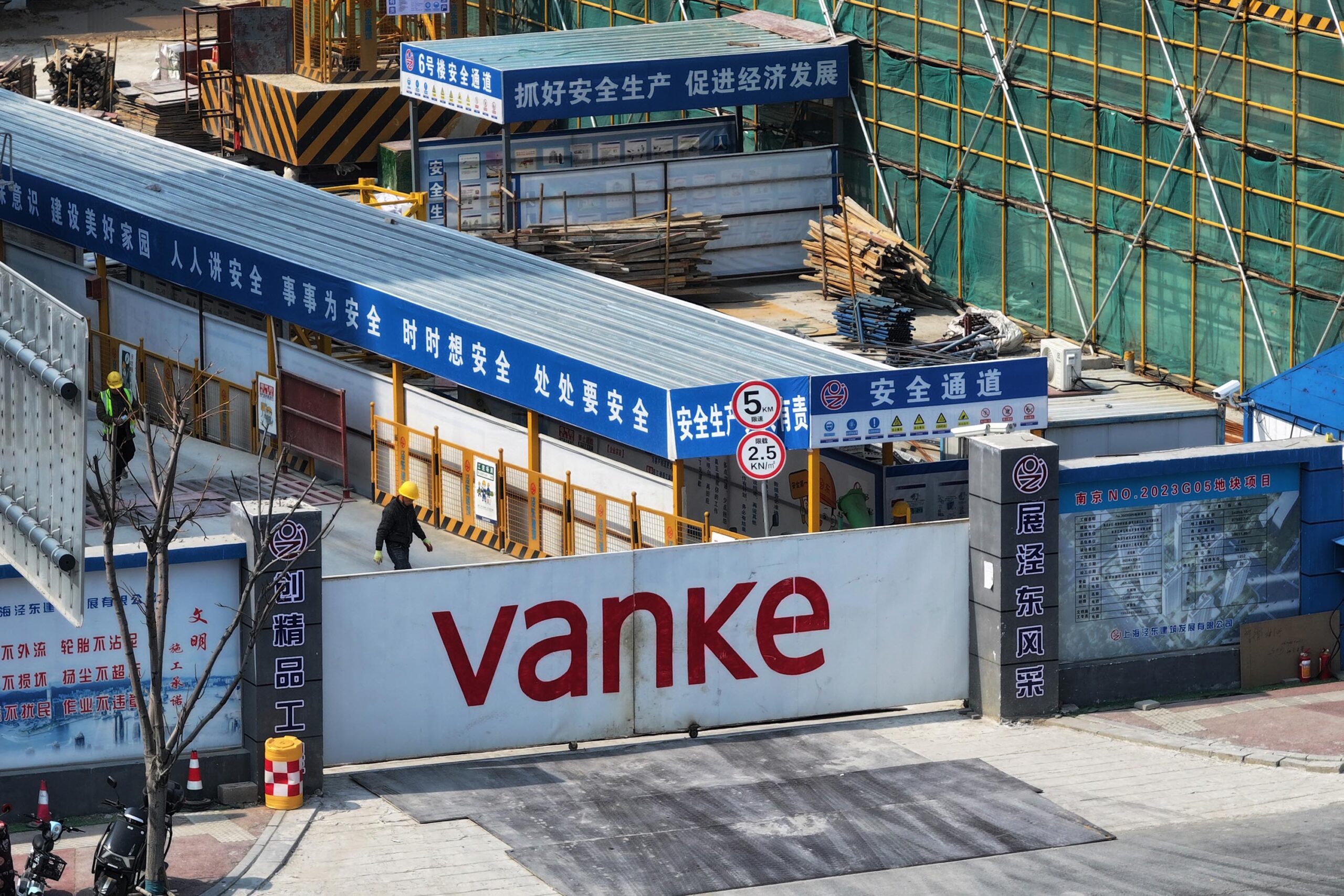
As one of China’s largest real estate development groups, China Vanke focuses on affordable housing and smart city projects. Their developments integrate IoT technology, green construction materials, and digital property management platforms.
China Vanke has redefined urban living in multiple Chinese cities by creating efficient, scalable housing solutions that meet middle-income demand while pushing for sustainable and digital-forward infrastructure.
Benefits of Using Technology in Real Estate Development Groups
Smarter Design with Digital Twins and BIM
Real estate development groups increasingly use Building Information Modeling (BIM) and digital twins to simulate construction processes and visualize complex building systems. This reduces design conflicts, improves cost estimates, and enhances overall build efficiency.
These technologies allow developers to make better decisions regarding materials, space utilization, and energy consumption, ion—resulting in lower construction waste, shorter timelines, and improved safety.
Real-Time Project Management Platforms
Cloud-based platforms like Procore and PlanRadar streamline collaboration between architects, contractors, and investors. Real estate development groups can monitor construction phases in real time, assign tasks, track budget consumption, and generate compliance reports.
Such platforms reduce administrative friction and offer accountability through shared dashboards and automated notifications, essential for delivering large-scale projects on schedule.
IoT and Smart Infrastructure
Development groups are embedding IoT devices into building designs to monitor and control HVAC systems, lighting, water usage, and security features. This not only improves building efficiency but also supports sustainability goals and enhances occupant experience.
Real-time monitoring systems can alert property managers to maintenance needs or system inefficiencies, resulting in operational savings and higher tenant satisfaction.
AI-Powered Investment Analysis
Artificial Intelligence is used to analyze market data, assess land value, and predict property demand. Development groups use AI to identify emerging locations, evaluate competitive supply, and model various development scenarios to reduce investment risks.
This tech integration empowers decision-makers to optimize resource allocation and adjust project plans based on predictive analytics.
Use Cases: Problems Solved by Real Estate Development Groups
Urban Revitalization and Infrastructure Deficits
Many cities face aging infrastructure and underutilized spaces. Real estate development groups bring capital, design, and project execution capabilities to rejuvenate city centers, old factories, or brownfield sites. These transformations lead to job creation, enhanced livability, and increased tax revenue for municipalities.
Housing Shortages in High-Density Areas
In regions facing housing crises, development groups play a critical role in increasing supply through vertical construction and high-density planning. By creating affordable and mid-income housing options, they help stabilize property markets and reduce urban congestion.
Sustainability and Green Urban Planning
Development groups address climate challenges by incorporating renewable energy, energy-efficient systems, and green spaces into urban plans. Projects like Lendlease’s carbon-neutral precincts offer long-term resilience and align with global climate goals.
Tourism and Hospitality Expansion
Development groups build resorts, branded residences, and cultural venues in tourist-friendly zones. These projects stimulate local economies and attract global attention, increasing investment and infrastructure development in previously underserved areas.
Disaster-Resilient Development
In disaster-prone zones, development groups build resilient infrastructure using elevated foundations, modular construction, and flood-resistant materials. These developments ensure safety, continuity, and long-term economic stability in vulnerable communities.
Key Advantages of Working with a Real Estate Development Group
End-to-End Project Control
Development groups manage the entire lifecycle of a project, offering consistency, transparency, and accountability. This streamlined approach reduces risk, simplifies stakeholder communication, and ensures timely delivery.
Access to Capital and Institutional Knowledge
Groups have strong relationships with banks, investment funds, and public sector entities. This access to capital, combined with deep industry experience, allows for the financing and execution of large-scale, complex developments.
Scalability and Efficiency
Large real estate development groups can replicate successful models across regions and countries. Their operational efficiency, supply chain control, and technology use result in faster completion rates and lower cost-per-unit ratios.
Innovation and Market Adaptability
With in-house experts in design, engineering, and analytics, development groups quickly adapt to market trends. Whether it’s smart homes, co-living, or green buildings, they are at the forefront of innovation.
Social and Economic Impact
Well-executed developments provide lasting value to communities by improving access to housing, jobs, healthcare, and education. Development groups often align their goals with public policy, ensuring broader social benefits alongside commercial success.
Frequently Asked Questions (FAQ)
Q1. What is the difference between a real estate developer and a development group?
A real estate developer can be an individual or small firm, while a development group is usually a larger organization with integrated departments for planning, finance, construction, and marketing. Groups manage more complex, large-scale projects with broader capital access.
Q2. How do real estate development groups reduce investment risk?
They use data-driven decision-making, experienced project managers, and collaborative partnerships to forecast trends, manage costs, and comply with regulations. Their scale and diversified portfolio also allow for more balanced risk exposure.
Q3. Can small investors participate in projects by large development groups?
Yes. Many development groups offer opportunities through real estate investment trusts (REITs), joint ventures, or private placements. These structures allow individual or institutional investors to participate in professionally managed development projects.