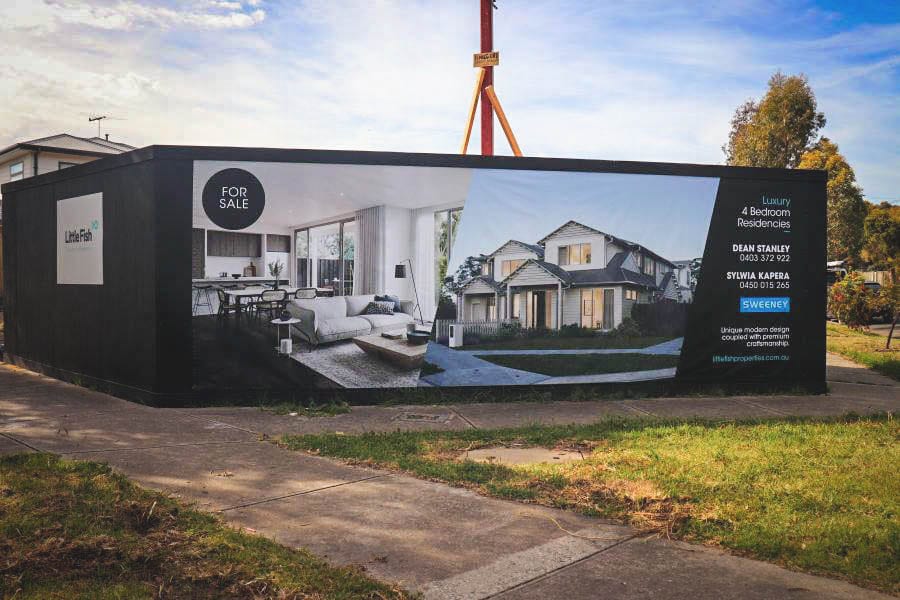
Real Estate Development Marketing: Expert Strategies and Insights for Modern Projects
In the competitive world of property development, real estate development marketing has evolved from traditional methods into a sophisticated, multi-channel strategy that begins even before a project breaks ground. In today’s fast-paced market, visibility, storytelling, and digital integration are key to capturing buyer and investor interest. This article explores how real estate developers can effectively market their projects by combining branding, technology, and proven digital tactics.
What Is Real Estate Development Marketing?
Real estate development marketing refers to the structured approach used by developers to promote new residential, commercial, or mixed-use projects. Unlike agent-based property marketing, this process begins long before the units are ready for sale or lease. It includes defining the brand, identifying buyer personas, selecting marketing channels, creating promotional materials, and managing buyer engagement throughout the project lifecycle.
A developer’s ability to position a project, build a compelling narrative, and maintain visibility in a crowded market can mean the difference between a sold-out development and prolonged vacancies.
The Strategic Foundations of Development Marketing
Marketing for real estate developments involves a combination of research, creative direction, and campaign execution. It focuses on the long-term success of the project, not just short-term sales.
Market Research and Buyer Profiling
Before any ads or branding are launched, developers need to understand their audience. This includes analyzing demographics, location-based trends, economic indicators, and local housing demands. Understanding the motivations of potential buyers—whether investors, homeowners, or renters—helps define campaign tone and content strategy.
Branding the Development
Each project needs a clear identity to stand out. This includes naming, logo creation, slogan development, and visual themes. Branding communicates not just what is being built, but why someone should live or invest there.
Integrated Channel Planning
Marketing teams must choose from online ads, SEO content, social media, public relations, email marketing, and offline events. Integrated campaigns help deliver a consistent message across all buyer touchpoints.
Benefits of Using Technology in Real Estate Development Marketing
Virtual Tours and 3D Visualization
Tools like Matterport and Unity enable developers to showcase a unit’s layout, finishes, and views long before construction is complete. Prospects can explore the space remotely, increasing emotional connection and reducing decision anxiety.
Marketing Automation and CRM Integration
Platforms like HubSpot or Salesforce help developers automate lead-nurturing campaigns, personalize messaging based on buyer actions, and monitor conversion rates. These systems streamline workflows and reduce marketing friction.
Data-Driven Advertising
Advanced digital advertising platforms use AI and big data to place ads in front of highly specific audiences. Developers can track real-time performance and optimize campaigns for cost-effectiveness.
SEO and Web Analytics
Search engine optimization ensures that a website is discoverable online. SEO-friendly landing pages, blog articles, and local listings help attract qualified leads through organic traffic. Google Analytics and similar tools reveal how users interact with marketing assets.
Social Proof and Online Reputation
User-generated content, testimonials, and reviews add credibility to a development. Platforms like Instagram and YouTube allow developers to showcase construction progress and community feedback in real time.
Real-World Examples of Successful Development Marketing Strategies
1. One Manhattan Square – New York, USA
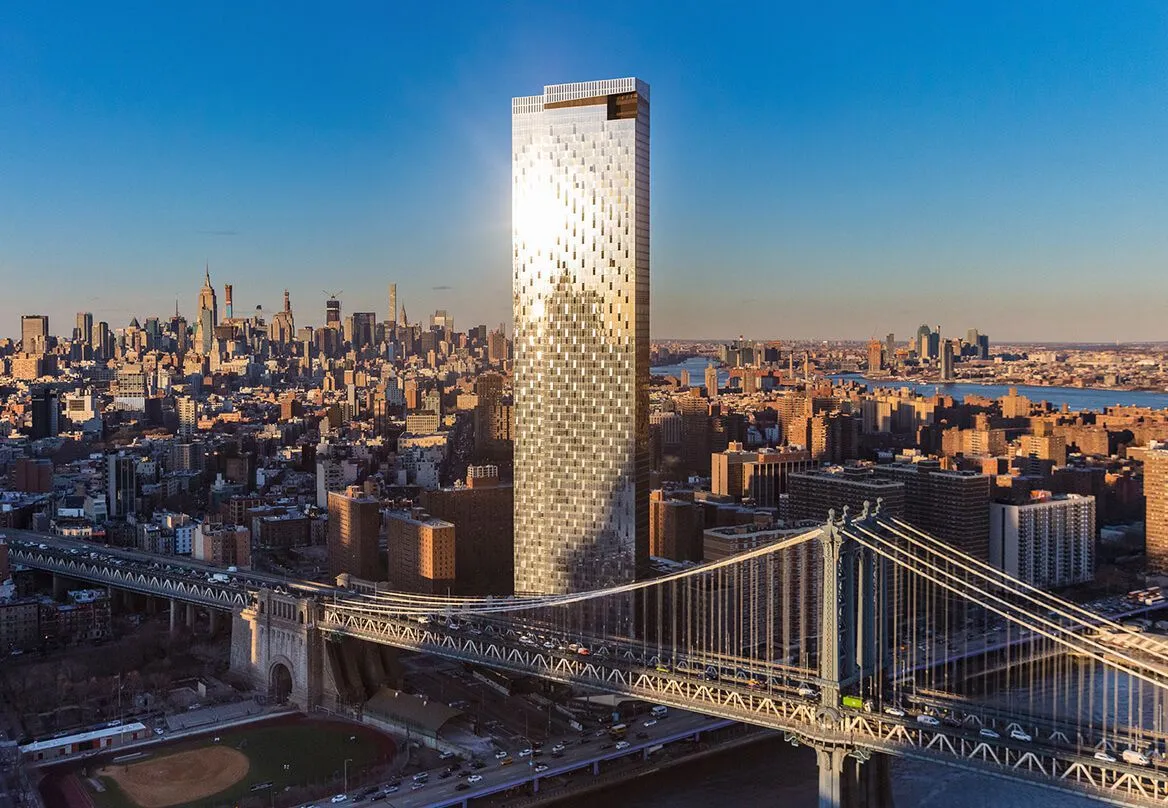
Extell Development Company launched a high-rise luxury project in NYC with a visually driven marketing campaign. It used immersive 3D walkthroughs, sleek digital brochures, and social influencer partnerships to drive awareness.
Why it’s relevant: One Manhattan Square’s success lies in its heavy use of visualization and prestige branding to attract international buyers long before construction was complete.
2. Canary Wharf Group – London, UK
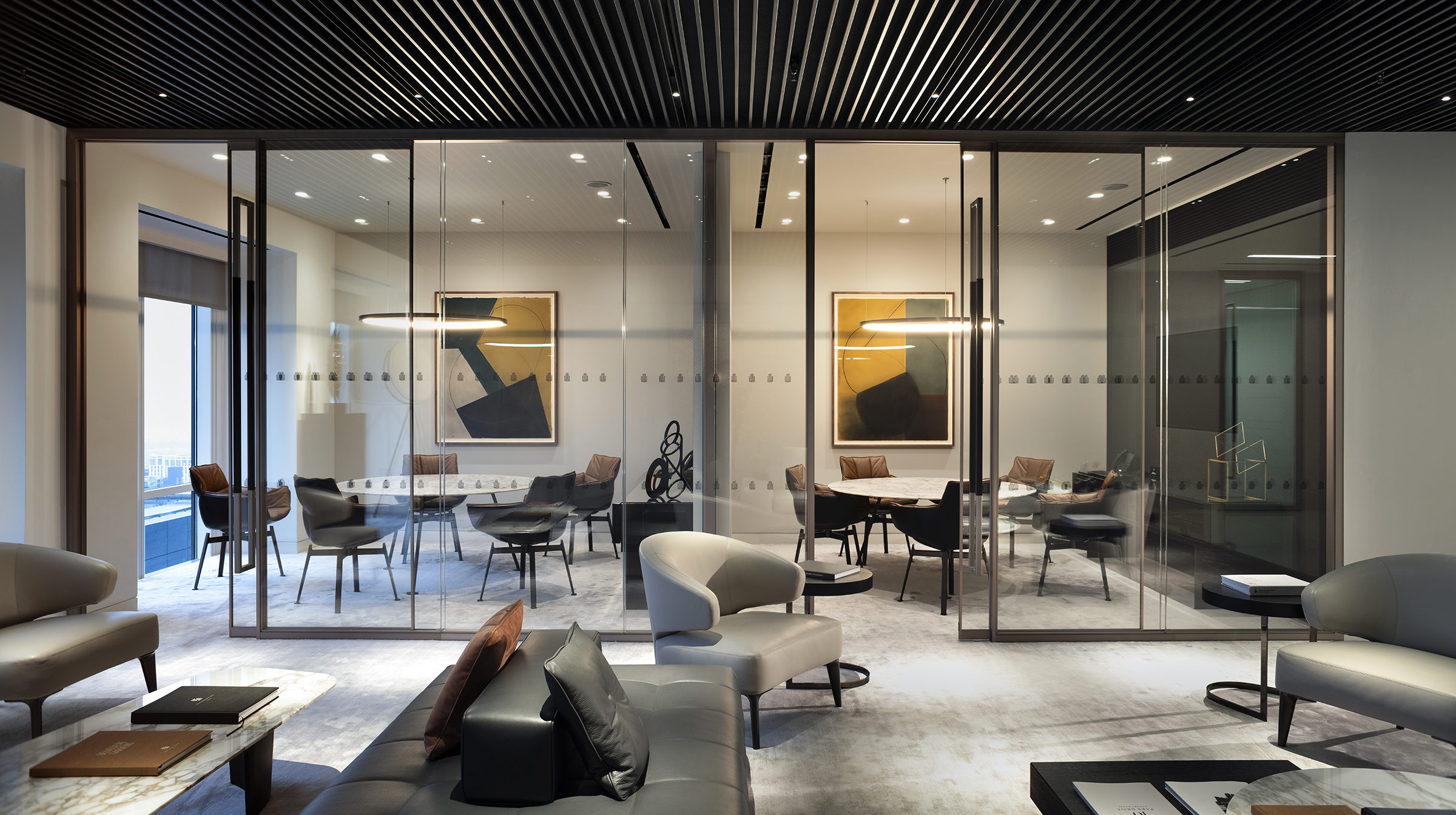
The developer behind Wood Wharf implemented a full-scale digital marketing suite, including VR showrooms, interactive site plans, SEO-optimized web content, and sustainability messaging tailored to younger, eco-conscious investors.
Why it’s relevant: The campaign showed the importance of aligning messaging with modern buyer values such as environmental sustainability and technological convenience.
3. Emaar Properties – Dubai, UAE
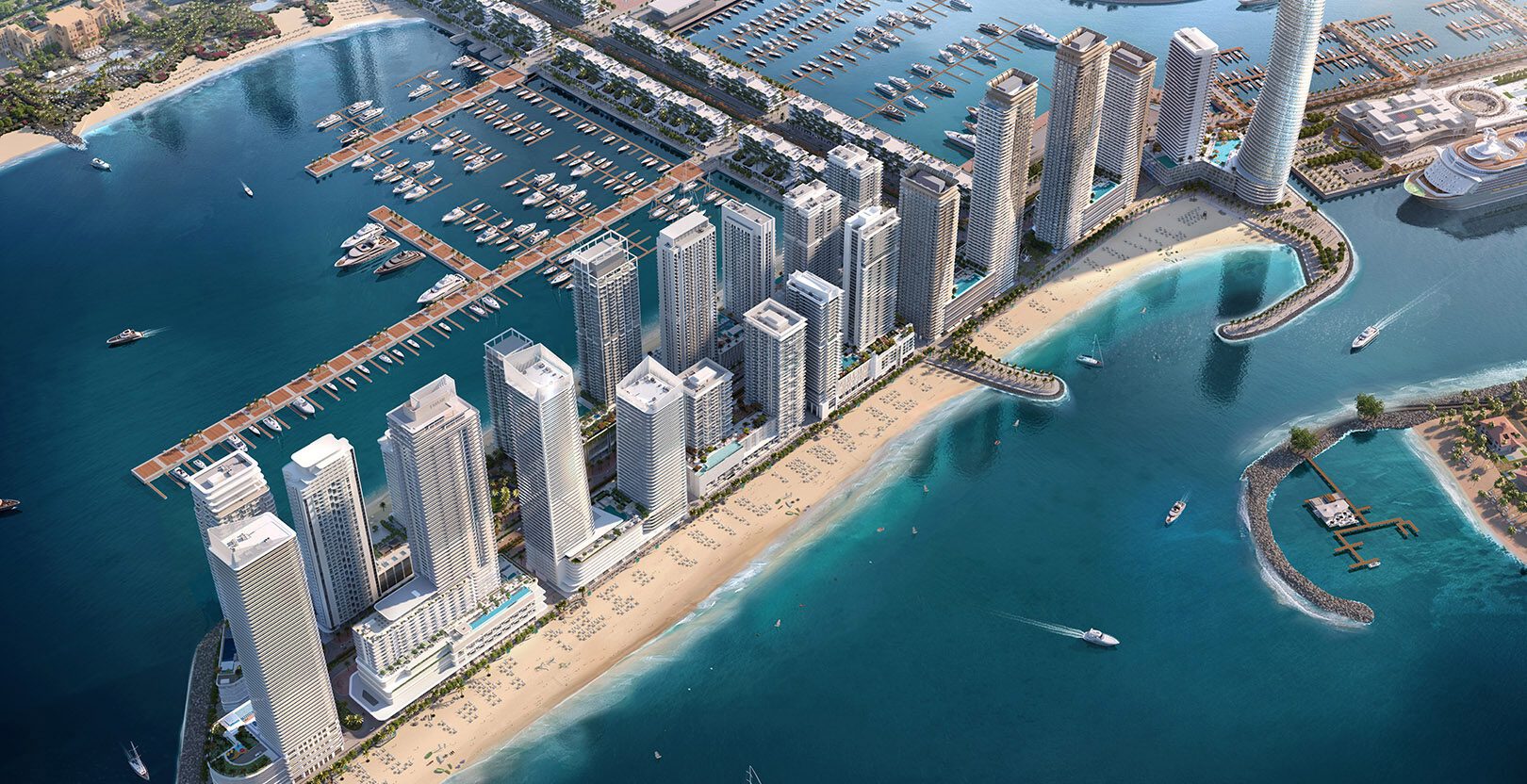
Emaar used a mix of live drone footage, digital campaigns, global exhibitions, and high-end lifestyle branding to launch Dubai Creek Harbour. Their strategy focused on showing the future potential of the location through visuals and data.
Why it’s relevant: Emaar effectively sold a vision, not just a product. The project demonstrates how long-term storytelling can capture investor imagination.
4. Mirvac’s The Foundry – Sydney, Australia
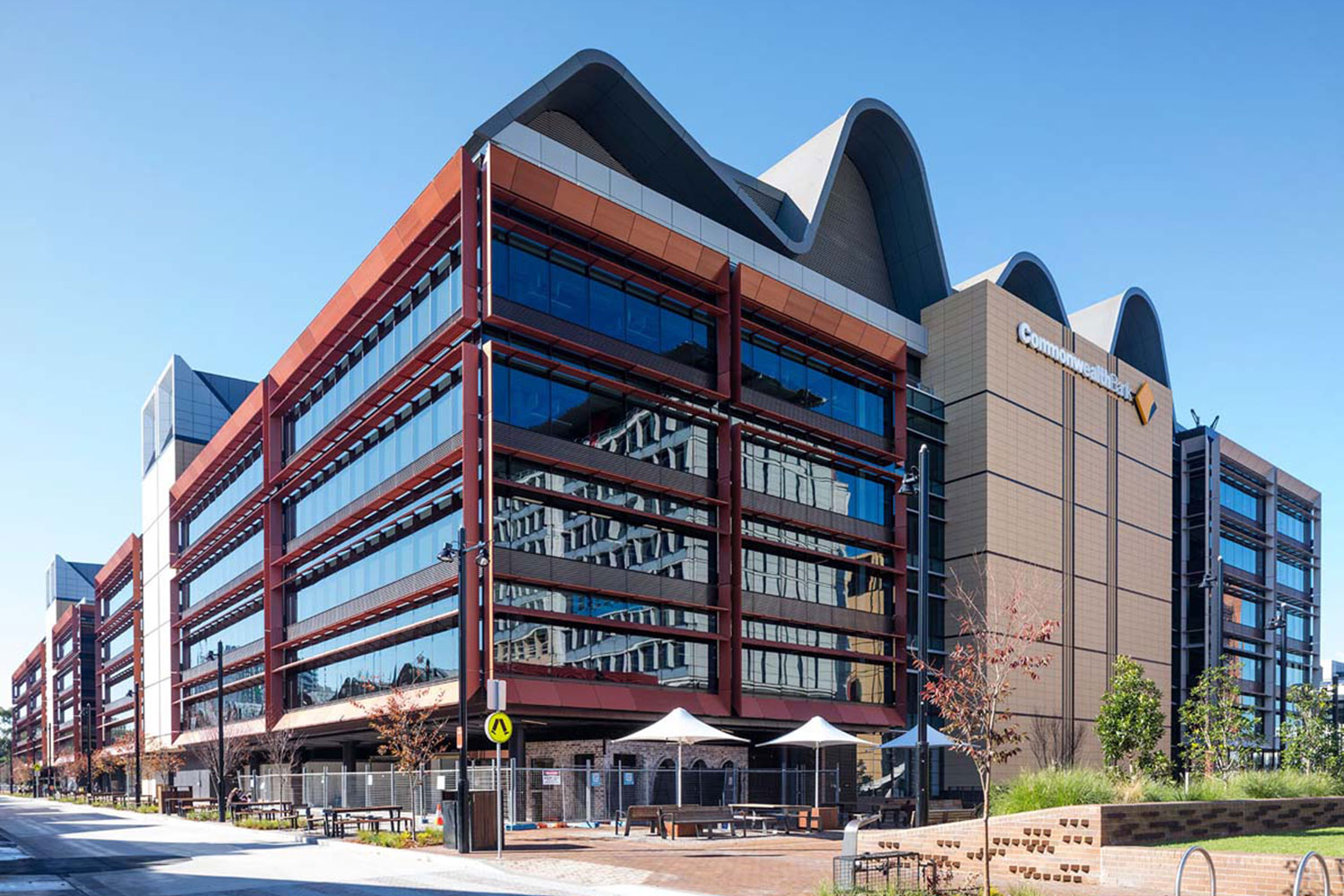
The Foundry was promoted using a combination of interactive project websites, AR apps for smartphone-based tours, and email automation. It targeted both investors and renters with separate funnels and content.
Why it’s relevant: The project illustrates the power of segmentation and mobile-first marketing for inner-city developments with mixed buyer types.
5. The Junction – Toronto, Canada
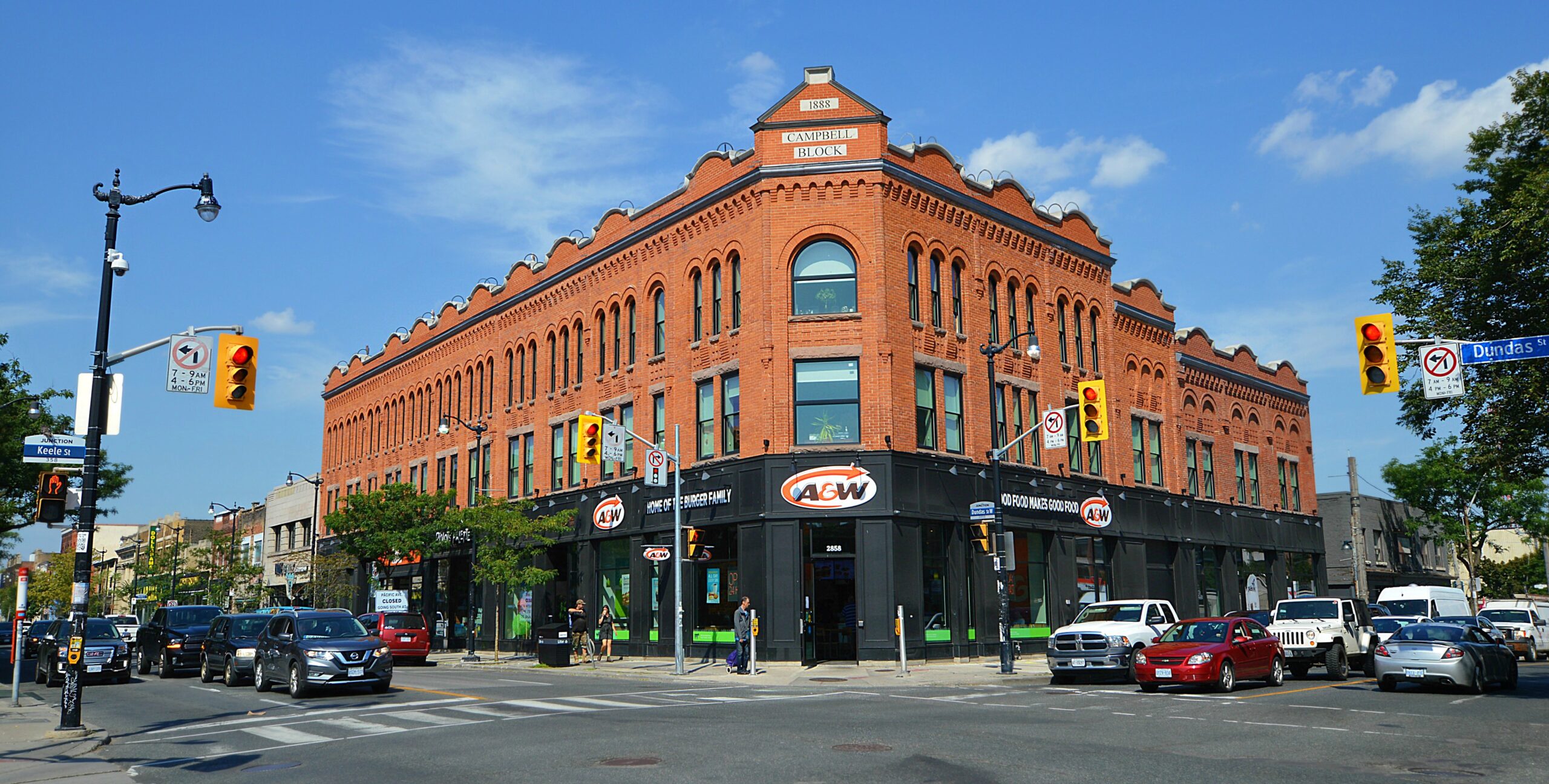
This community-based mid-rise project used hyperlocal digital ads, Instagram Stories showing neighborhood businesses, and community-driven testimonials to market the lifestyle rather than just the apartments.
Why it’s relevant: By focusing on location and daily life, the Junction campaign resonated with lifestyle-first urban buyers and increased early-phase unit reservations.
Detailed Use Cases Solved by Development Marketing Strategies
Selling Pre-Construction Units
Marketing helps build trust and engagement early in the development lifecycle. Developers use virtual tours, online webinars, and email sequences to turn early leads into buyers months before units are delivered.
Gaining Investor Confidence
Sophisticated presentations, data-driven forecasts, and branded pitch decks help secure funding. A professional marketing approach signals credibility and planning capability to financiers.
Reviving Stalled Projects
Marketing is also key for repositioning projects that have lost traction. New messaging, rebranded visuals, or shifting the target audience can breathe life into underperforming developments.
Building Demand for Emerging Neighborhoods
Marketing helps educate buyers about the long-term potential of upcoming areas. Data-rich content, transportation maps, and lifestyle blogs help paint a picture of what the neighborhood will become.
Managing Public Perception
With large-scale projects, community resistance can be high. Marketing and PR teams craft transparent messaging and community outreach strategies that position the project as beneficial to the local economy and residents.
Benefits of a Well-Executed Real Estate Development Marketing Strategy
Increased Sales Velocity
When projects are marketed with precision, units are absorbed faster, reducing financial risk and improving cash flow for developers and investors.
Higher Buyer Engagement
Immersive visuals, personalized content, and multi-channel outreach increase time spent with marketing materials, improving conversion rates.
Greater Brand Equity
Effective campaigns build trust in the developer brand, making future launches easier and more credible in the eyes of buyers, brokers, and partners.
Cost-Efficient Lead Generation
Digital tools reduce the cost-per-lead and make tracking ROI possible in real time. This means developers can double down on what works and eliminate waste.
Better Collaboration Across Teams
With cloud-based CRMs, marketing dashboards, and shared project management platforms, sales, marketing, and development teams stay aligned from planning to closeout.
Frequently Asked Questions
Q1. What makes real estate development marketing different from standard property marketing?
Development marketing begins before construction and involves creating a long-term strategy that builds brand awareness, educates the market, and drives interest throughout multiple phases. It’s more strategic, data-driven, and holistic than simply listing a property.
Q2. How early should marketing begin in a development project?
Ideally, marketing should begin during the planning or pre-approval stage. Early campaigns help test demand, shape branding, and attract investors or early buyers. The goal is to build momentum before a single brick is laid.
Q3. Is digital marketing better than traditional methods for developers?
Digital marketing offers more control, better targeting, and deeper analytics. While traditional methods like signage and brochures still have value, most developers now rely heavily on digital channels for a scalable and measurable impact.