Real Estate Investment and Development: In-Depth Insights, Technology Benefits, and Use Cases
Real estate investment and development refers to the comprehensive process of acquiring, financing, designing, building, and managing properties to generate profit. This dual-pronged approach combines the financial strategy of investing in property assets with the operational aspect of constructing or upgrading real estate projects.
Understanding Real Estate Investment and Development
While real estate investment focuses on acquiring income-generating properties or land for capital appreciation, development involves physically improving or building structures to increase value. Investors often participate in development projects directly or through joint ventures, private equity, or real estate development firms. This synergy between capital and construction drives urban transformation, job creation, and economic expansion globally.
The Strategic Importance of Combining Investment and Development
Integrating real estate investment with development allows stakeholders to influence both financial returns and physical outcomes. Unlike passive investing, which offers limited control, active participation in development empowers investors to shape market-responsive projects from the ground up.
By managing land use, design, and construction quality, developers can align their projects with market demands, enhance sustainability, and maximize ROI. Furthermore, combining investment and development facilitates long-term asset appreciation and income generation, especially in high-demand sectors such as residential housing, mixed-use communities, and commercial hubs.
1. Urban Mixed-Use Projects in Global Cities
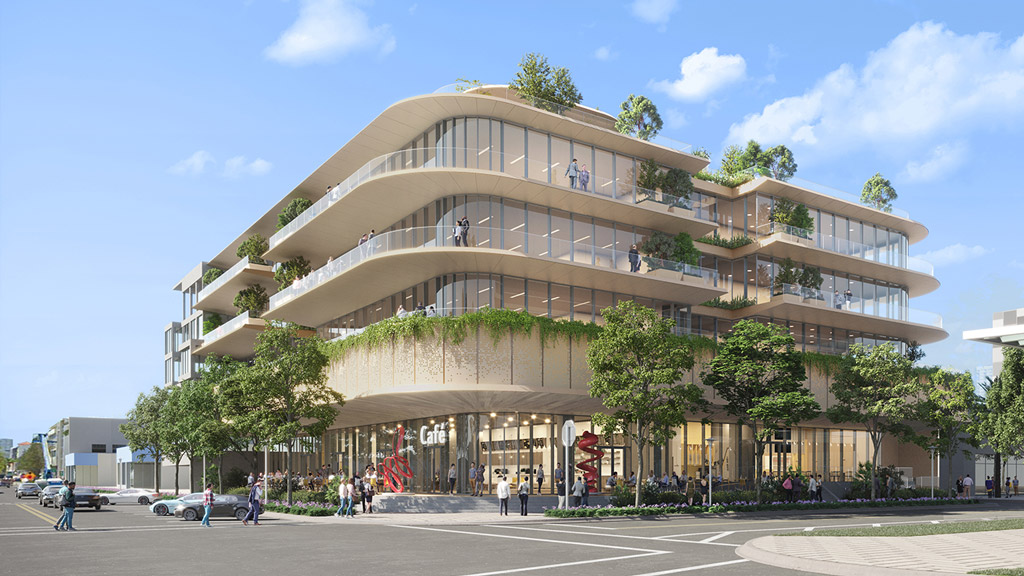
Urban mixed-use developments are a flagship example of real estate investment and development. These projects typically integrate residential, commercial, and recreational spaces in densely populated urban centers. Cities like London, Singapore, and Toronto are hotspots for such ventures.
Investors and developers benefit from diversified revenue streams, as residential sales or rentals are complemented by commercial leases and retail activities. These developments also foster walkability, reduce urban sprawl, and cater to the rising demand for live-work-play environments.
2. Regeneration of Industrial Zones

Transforming old industrial areas into modern commercial or residential hubs is a growing trend in urban development. Known as brownfield redevelopment, this model involves high initial investment and complex regulatory approvals but yields substantial long-term value.
A notable example is the transformation of the Meatpacking District in New York City. Once an industrial zone, it has become a thriving commercial and cultural district due to coordinated investment and development initiatives. Investors reap the benefits of rising property values and strong rental yields in revitalized neighborhoods.
3. Eco-Friendly Residential Communities
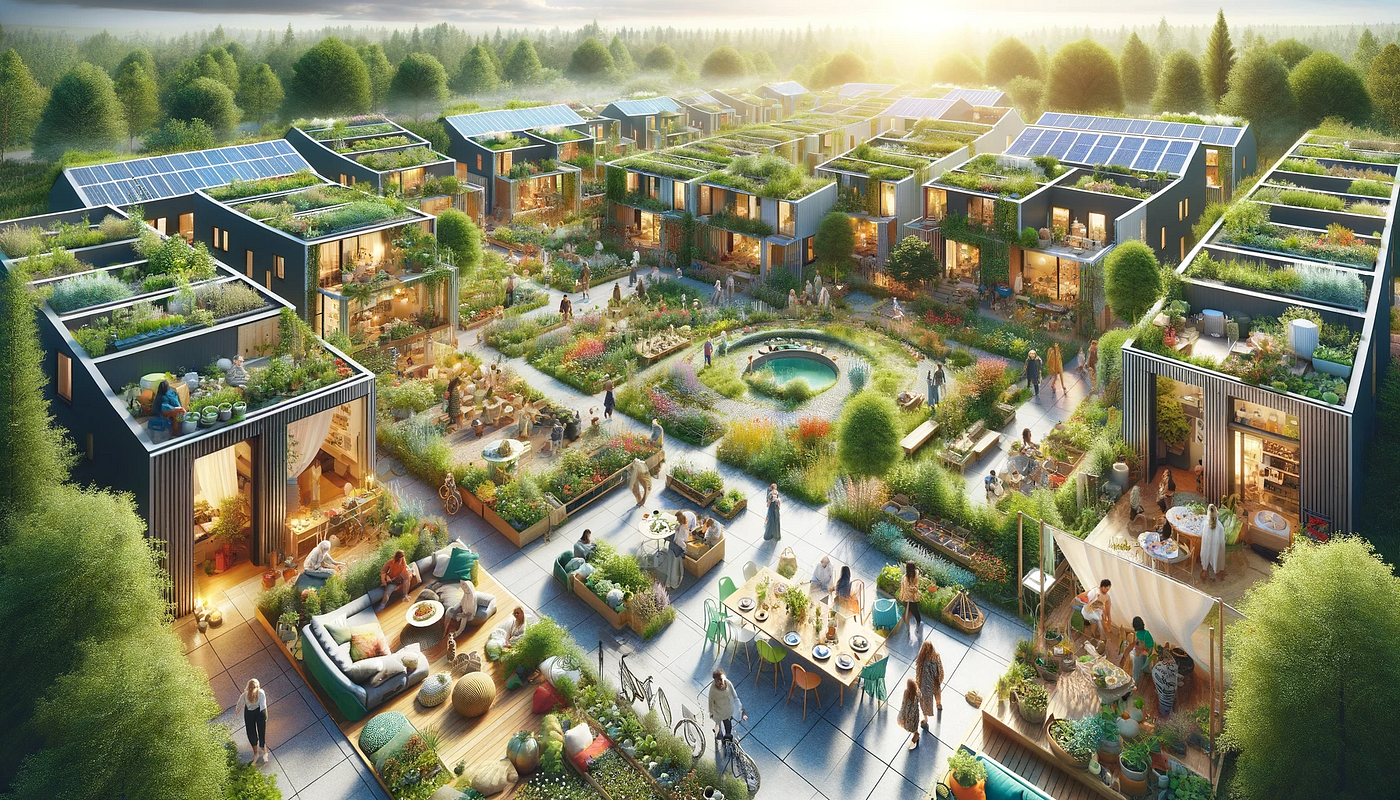
Sustainable residential development is another growing segment in the investment world. These projects prioritize green technologies, smart infrastructure, and community-centric designs. Developers focus on energy-efficient construction, waste reduction, and renewable energy integration.
For example, Vauban in Freiburg, Germany, is a car-free, eco-conscious neighborhood developed through public-private partnerships. Investors gained long-term value from growing demand for sustainable living, while residents enjoyed lower utility costs and healthier environments.
4. Tourism-Focused Developments

In tourist-heavy regions like Bali, Costa Rica, and the Mediterranean coast, real estate investment and development projects focus on resorts, branded residences, and vacation rentals. These developments often incorporate cultural and environmental themes to attract both domestic and international clientele.
Investors benefit from seasonal rental income, property appreciation, and international diversification. Developers in this space must account for zoning laws, cultural sensitivities, and local labor markets, adding layers of complexity and opportunity.
5. Affordable Housing Initiatives in Emerging Markets
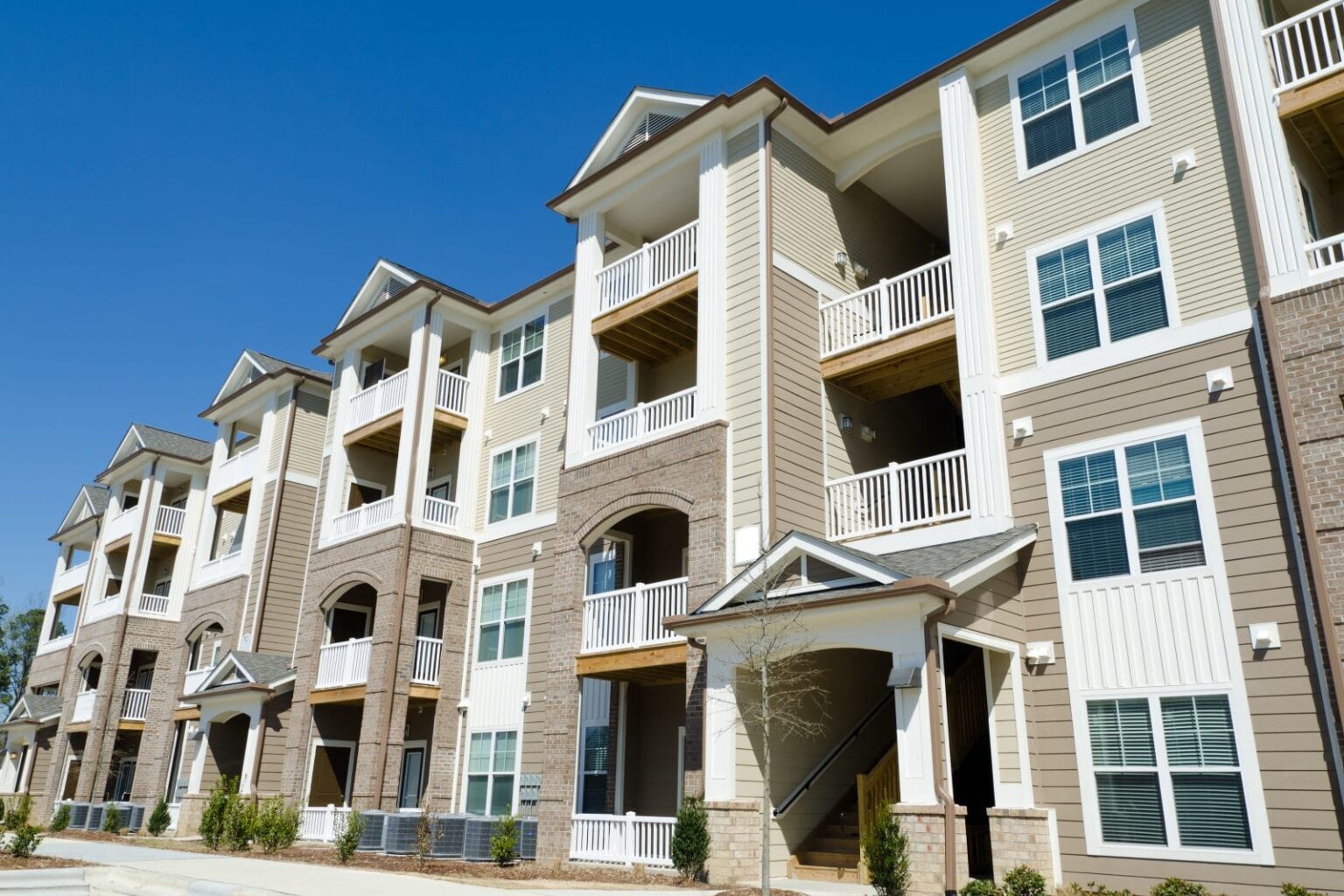
In regions like Africa, Southeast Asia, and Latin America, demand for affordable housing has led to large-scale development investments. These projects often involve government incentives, NGOs, and private investors working collaboratively.
An example is the Baan Mankong program in Thailand, which combines community land trusts, private capital, and local labor to provide safe and affordable housing. Investors in such initiatives see returns through scale, social impact, and long-term urban growth.
Benefits of Using Technology in Real Estate Investment and Development
Advanced Planning Through Digital Modeling
Building Information Modeling (BIM), CAD software, and digital twins allow for highly accurate planning and pre-construction visualization. This technology helps investors and developers anticipate structural issues, reduce material waste, and shorten timelines, resulting in cost savings and improved investor confidence.
Market Analysis and Risk Management Using Big Data
Real estate analytics platforms now incorporate machine learning and AI to evaluate market trends, pricing models, and demographic shifts. Investors use these tools to make better land acquisition decisions, assess risk, and optimize exit strategies.
PropTech for Construction Management
Platforms like Procore, Buildertrend, and PlanRadar help developers manage complex construction workflows in real time. These tools enhance transparency, track expenditures, and ensure compliance with regulations—critical elements for protecting investment capital.
Smart Infrastructure and IoT Integration
Smart thermostats, lighting, security systems, and energy monitoring are now integrated into modern developments. IoT-based solutions not only improve resident experience but also add property value, reduce operational costs, and provide data insights for future development strategies.
Blockchain for Transparent Transactions
Blockchain technology is emerging as a solution for transparent property records, faster transactions, and secure contracts. Smart contracts reduce the need for intermediaries and improve investor trust, especially in cross-border development scenarios.
Use Cases: Problems Solved by Real Estate Investment and Development
Urban Overcrowding and Housing Deficits
Development projects address critical housing shortages in fast-growing cities. Through vertical construction and efficient land use, developers help alleviate housing pressures while delivering profitable outcomes for investors. Cities like Mumbai and Manila benefit from these strategies.
Economic Renewal of Declining Areas
Investment-driven redevelopment projects uplift underutilized urban areas by attracting business, improving infrastructure, and increasing property values. This stimulates job creation and regional economic growth. An example includes Detroit’s Midtown regeneration.
Climate Adaptation and Resilient Infrastructure
Through technology integration and green design, real estate development can provide climate-resilient infrastructure, reducing the vulnerability of urban populations to floods, heat waves, and storms. Projects in the Netherlands and Japan exemplify how thoughtful development can meet environmental challenges.
Supporting Global Remote Work Trends
With remote work becoming more common, suburban and rural developments are gaining traction. Investors develop work-from-home-optimized housing with co-working spaces, high-speed internet, and green areas. This matches shifting demand and reduces urban congestion.
Strengthening the Tourism Economy
Tourism-centric developments offer a significant boost to local economies by creating jobs and improving infrastructure. Real estate investment in eco-resorts, wellness retreats, and heritage preservation zones combines profitability with cultural enrichment.
Practical Benefits of Real Estate Investment and Development
Capital Appreciation and Income Generation
Real estate development projects offer dual advantages: appreciation of property value and income through leases or rentals. Investors can benefit from higher returns than traditional asset classes, especially when entering early in the development cycle.
Customization and Market Responsiveness
Developers can design projects that reflect current and future demand, incorporating features that appeal to modern buyers and tenants. This flexibility leads to faster sales, higher occupancy rates, and premium pricing.
Long-Term Asset Control and Tax Advantages
By owning and developing properties, investors enjoy greater control over asset management and exit strategies. Additionally, many jurisdictions offer tax incentives for development projects, especially those aligned with public goals like sustainability or affordable housing.
Social Impact and Community Building
Investment and development often lead to social improvements such as better housing, safer neighborhoods, and inclusive community spaces. This creates goodwill, regulatory support, and long-term tenant satisfaction.
Risk Diversification Across Property Types
Combining investment and development across residential, commercial, and tourism-related assets allows for a balanced portfolio. This helps mitigate risks related to market cycles and economic fluctuations.
Frequently Asked Questions (FAQ)
Q1. What is the main difference between real estate investment and development?
Investment focuses on purchasing property for income or appreciation, while development involves physically creating or upgrading properties. When combined, they offer greater control, customization, and profit potential.
Q2. Is real estate development riskier than traditional property investment?
Yes, development includes risks such as construction delays, budget overruns, and regulatory hurdles. However, these are often balanced by higher returns, especially for well-managed, strategically located projects.
Q3. How can investors get involved in development projects without building experience?
Investors can partner with experienced developers through real estate funds, syndicates, or joint ventures. These partnerships allow capital participation while professionals handle the technical and operational aspects.
ment and Development