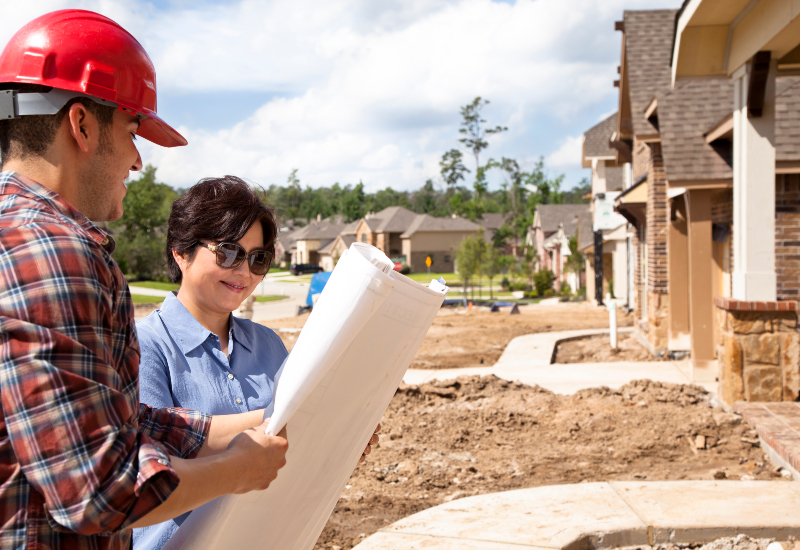
Realtor New Construction: An In-Depth Guide to Buying Brand New Homes with Professional Guidance
When it comes to buying a new home, many assume they must go directly through the builder. However, working with a realtor for new construction can offer significant advantages, from negotiating builder incentives to ensuring your interests are protected throughout the entire process. This guide offers a deep dive into how realtors help with new construction purchases, what makes them uniquely valuable, and how they apply technology to improve the home-buying experience.
Whether you’re a first-time buyer or an investor exploring brand new builds, understanding the strategic role of a realtor in new construction deals can help you make more informed decisions and avoid costly pitfalls.
What Is a Realtor for New Construction?
A realtor specializing in new construction is a licensed real estate professional who assists clients in buying homes directly from builders. Unlike traditional resale transactions, new construction purchases involve different timelines, legal documents, upgrade options, and financing structures. Realtors bridge the knowledge gap between homebuyers and developers, ensuring the buyer’s best interests are represented during each phase—from selecting a lot to final walk-through.
Realtors do not work for the builder. They act as independent advocates for the buyer, helping to clarify contracts, review upgrade packages, recommend inspections, and align expectations with reality. Often, the builder includes the realtor’s commission in their marketing budget, meaning the buyer receives professional representation at no extra cost.
Why Builders Encourage Realtors in New Construction
Realtors bring qualified buyers, reduce the workload of builder sales agents, and help ensure smoother, faster transactions. Because they understand local markets and buyer psychology, realtors can better manage client expectations and reduce decision fatigue, especially in complex or large-scale developments.
Benefits of Using a Realtor for New Construction
Leveraging a realtor when purchasing new construction offers multiple layers of benefit, ranging from technical insight to emotional support. Here’s how they add value:
Contractual and Legal Protection
Builders use their purchase agreements, which often differ from standard real estate contracts. A realtor reviews these terms to identify potential red flags, ensure timelines are realistic, and clarify important clauses such as financing contingencies, construction delays, or post-closing warranties. Without this expertise, buyers risk entering into agreements without a full understanding.
Realtors also verify that earnest money deposits, change orders, and final payments are handled according to state regulations and builder commitments.
Negotiation Power
While many think builder prices are fixed, experienced realtors know when and how to negotiate—whether it’s on lot premiums, upgrade incentives, or closing cost contributions. They understand market dynamics and builder motivations, giving buyers more leverage than they’d have on their own.
Realtors can also help buyers prioritize which upgrades offer long-term value and resale appeal versus those that are overpriced or easily added later.
Timeline Management and Quality Assurance
Realtors keep builders accountable to schedules, provide regular site visit updates, and ensure deadlines for inspections and approvals are met. They act as your advocate when delays occur and ensure your concerns are communicated to the builder clearly and professionally.
They also recommend third-party inspectors who specialize in new construction, helping catch structural or code-related issues early in the build.
Real-World Examples of Realtors Supporting New Construction Deals
Let’s explore some real-world examples to illustrate how realtors specializing in new construction support various types of clients.
1. First-Time Buyer Navigating a Complex Build Process

In Atlanta, a young couple decided to purchase a newly built townhome. Their realtor guided them through the confusing process of choosing floor plans, structural upgrades, and design options while also managing tight construction deadlines. The realtor’s network helped them secure an inspector, a lender familiar with builder financing, and legal counsel to review contracts.
Relevance: Without the realtor, the couple might have overpaid for upgrades and missed critical contract deadlines.
2. Out-of-State Buyer Building Remotely

A software engineer relocating from Seattle to Austin wanted a new construction home, but couldn’t visit the site. The realtor facilitated virtual tours, attended design center meetings on behalf of the client, and coordinated weekly progress updates. They also acted as a liaison with the builder’s onsite agent and resolved miscommunications that arose during construction.
Relevance: This shows how a realtor can be the eyes and ears of remote buyers, protecting their investment from a distance.
3. Investor Purchasing Pre-Construction Units

An investor purchased three new single-family homes in a suburban Charlotte development. Their realtor negotiated a bulk discount, coordinated staggered closings, and helped compare projected rental yields. They also advised on smart upgrades like pre-installed EV charging stations and fiber-optic wiring to appeal to future tenants.
Relevance: Realtors can provide valuable market insight and transactional coordination for investors buying multiple units.
4. Buyer Seeking Energy-Efficient Smart Home

In Denver, a client was interested in a net-zero smart home. Their realtor researched local builders offering solar panel systems, smart thermostats, and EV integration. They negotiated energy tax credits and helped the buyer understand the true ROI of smart technology included in the build.
Relevance: A knowledgeable realtor can help buyers navigate niche or eco-conscious home preferences with data-backed advice.
5. Downsizing Seniors in a Master-Planned Community

A retired couple in Phoenix worked with a realtor to buy a smaller new build in a 55+ community. The agent arranged visits, coordinated builder paperwork, and ensured the couple’s health and accessibility concerns were met, t—such as wider doorways, single-level floorplans, and motion-activated lighting.
Relevance: Realtors can ensure new construction homes meet the specialized needs of aging clients.
How Realtors Leverage Technology in New Construction
Realtors today use an array of technologies to enhance the new construction buying process:
Virtual Tours and Drone Inspections
Many builders offer virtual walkthroughs and 3D home renderings. Realtors integrate these tools into buyer presentations, allowing clients to explore layouts remotely. Drones are also used to document building progress and assess surrounding amenities.
Digital Document Signing and Cloud Storage
Realtors use platforms like DocuSign and Dotloop for fast, secure document handling. Clients can review contracts, submit signatures, and request changes from anywhere. This speeds up approvals and reduces errors.
CRM and Custom Alerts
Realtors track builder timelines, price changes, and incentive updates using CRM software. They send buyers timely alerts about changes in lot availability, interest rates, or construction milestones.
Smart Home Consultations
Some realtors are certified in smart home technologies. They help clients evaluate whether included systems—like smart thermostats, locks, or lighting—add functional or financial value to the build.
Use Cases Solved by Realtors in New Construction
Having a realtor can be the difference between a seamless experience and a frustrating one. Here’s how they solve specific challenges:
Problem 1: Overwhelmed by Builder Options
Buyers often feel overwhelmed by builder lingo, upgrade options, and pricing structures. Realtors act as interpreters, clarifying what’s essential and what can be deferred or negotiated.
Problem 2: Lack of Independent Representation
Builder sales agents work for the builder, not the buyer. Realtors provide neutral, informed advocacy, especially during contract negotiations and construction delays.
Problem 3: Unexpected Costs and Missed Incentives
Realtors ensure buyers take advantage of builder incentives, limited-time promotions, and tax credits. They also advise on costs that might arise later, like HOA dues, landscaping, or warranty add-ons.
Problem 4: Coordination Fatigue
Building a home involves many moving parts: lenders, inspectors, design centers, appraisers, and more. Realtors orchestrate the entire process, helping clients avoid scheduling conflicts and missed steps.
Frequently Asked Questions
Q1. Do I need a realtor when buying from a builder?
Yes, it’s highly recommended. While the builder has a sales agent, that agent represents the builder’s interests. A realtor represents your interests, helps with contract review, negotiates terms, and ensures quality control throughout the build.
Q2. Will using a realtor cost me more when buying new construction?
Typically no. Most builders include realtor commissions in their sales budgets. Buyers rarely pay additional fees for using a realtor, yet they receive professional guidance and protection throughout the process.
Q3. Can a realtor help me get a better deal with a builder?
Yes, experienced realtors know how to negotiate builder incentives, select high-value upgrades, and avoid unnecessary add-ons. They can also time your purchase to align with builder promotions or market cycles.