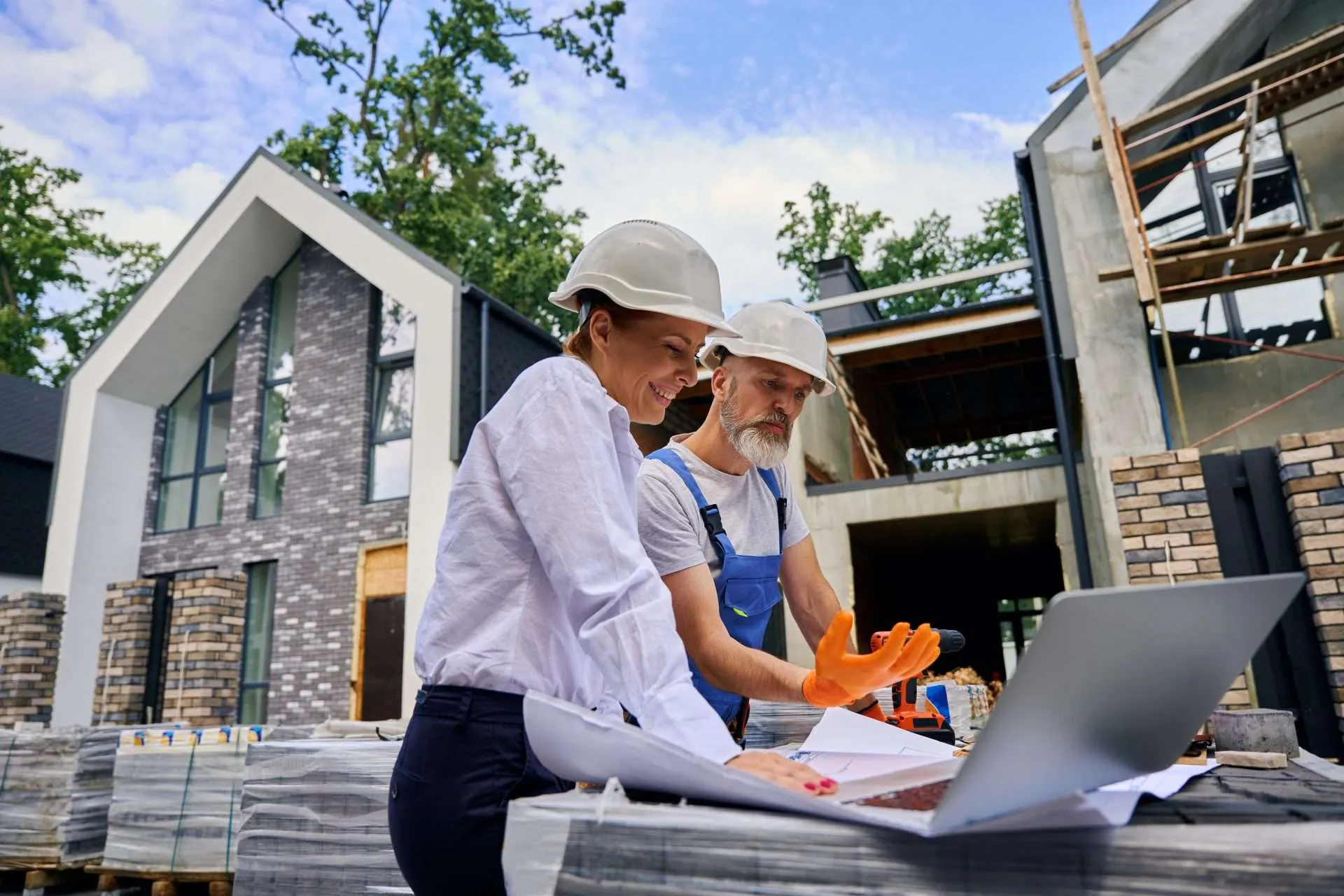
Retail Developers: Building the Future of Commercial Real Estate
The commercial landscape is evolving rapidly, and at the heart of this transformation are retail developers. These professionals play a critical role in shaping the shopping centers, mixed-use spaces, and commercial districts that define modern consumer experiences. As digital innovation and changing consumer behavior reshape the retail sector, the role of retail developers has expanded to include technology integration, sustainable practices, and user-centric design.
Understanding the Role of Retail Developers
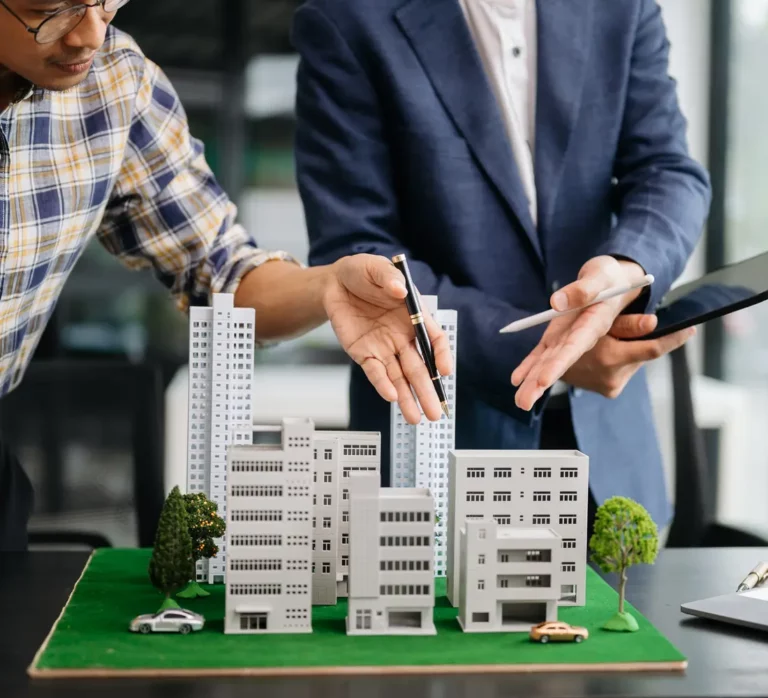
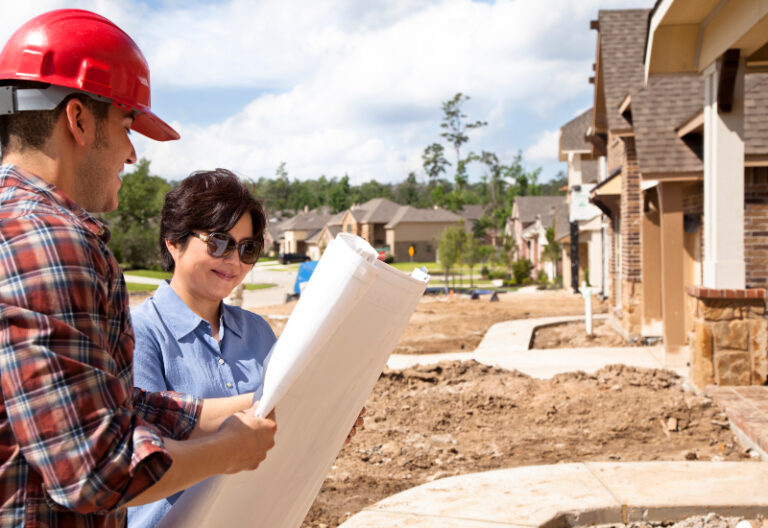
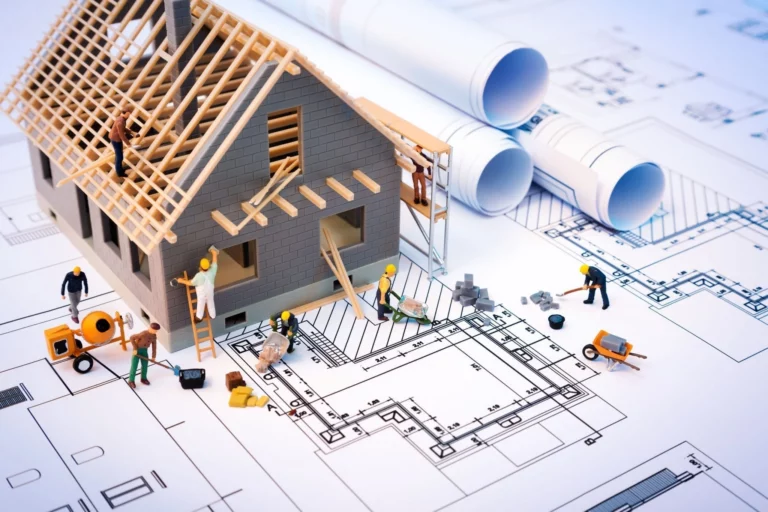
Retail developers are the visionaries behind the commercial spaces where consumers shop, dine, and socialize. Their responsibilities extend far beyond constructing buildings—they are involved in site selection, land acquisition, zoning, financing, design coordination, leasing strategies, and long-term property management.
These developers work closely with architects, urban planners, engineers, and retail tenants to ensure a space meets the needs of the local community and aligns with current market trends. From large malls and outlet centers to neighborhood shopping plazas and urban storefronts, their impact is felt at every level of commercial real estate.
The Changing Landscape of Retail Development
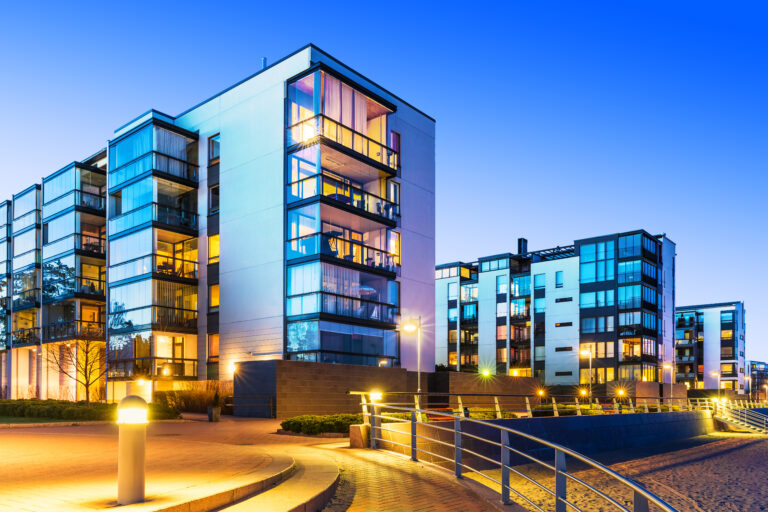
The traditional retail model has faced significant disruption due to the rise of e-commerce, shifting consumer preferences, and a heightened focus on experiential shopping. As a result, modern retail developers are focusing on creating mixed-use developments that combine retail with residential, office, and recreational spaces.
Moreover, sustainability, walkability, and tech-readiness have become priorities in new developments. Developers now aim to create smart, adaptive retail environments that offer more than just shopping—they offer experiences.
How Technology Is Influencing Retail Development
Smart Building Systems
Retail developers are incorporating smart HVAC, lighting, and energy systems into their projects. These systems monitor usage patterns and make real-time adjustments to reduce waste and improve operational efficiency.
Digital Wayfinding and Kiosks
Interactive kiosks and mobile-friendly maps help visitors navigate large complexes. This not only improves user experience but also collects valuable data on foot traffic and consumer behavior.
Integrated Retail Analytics
Technology allows developers to install sensors and tracking systems that monitor consumer flow, dwell time, and conversion metrics. This data helps improve layout efficiency and optimize tenant placement.
Sustainable Construction and Materials
Many developers are adopting green construction practices, including the use of energy-efficient materials, solar panels, water-saving systems, and LEED-certified building standards.
Real-World Examples of Innovative Retail Development
1. Hudson Yards – New York City
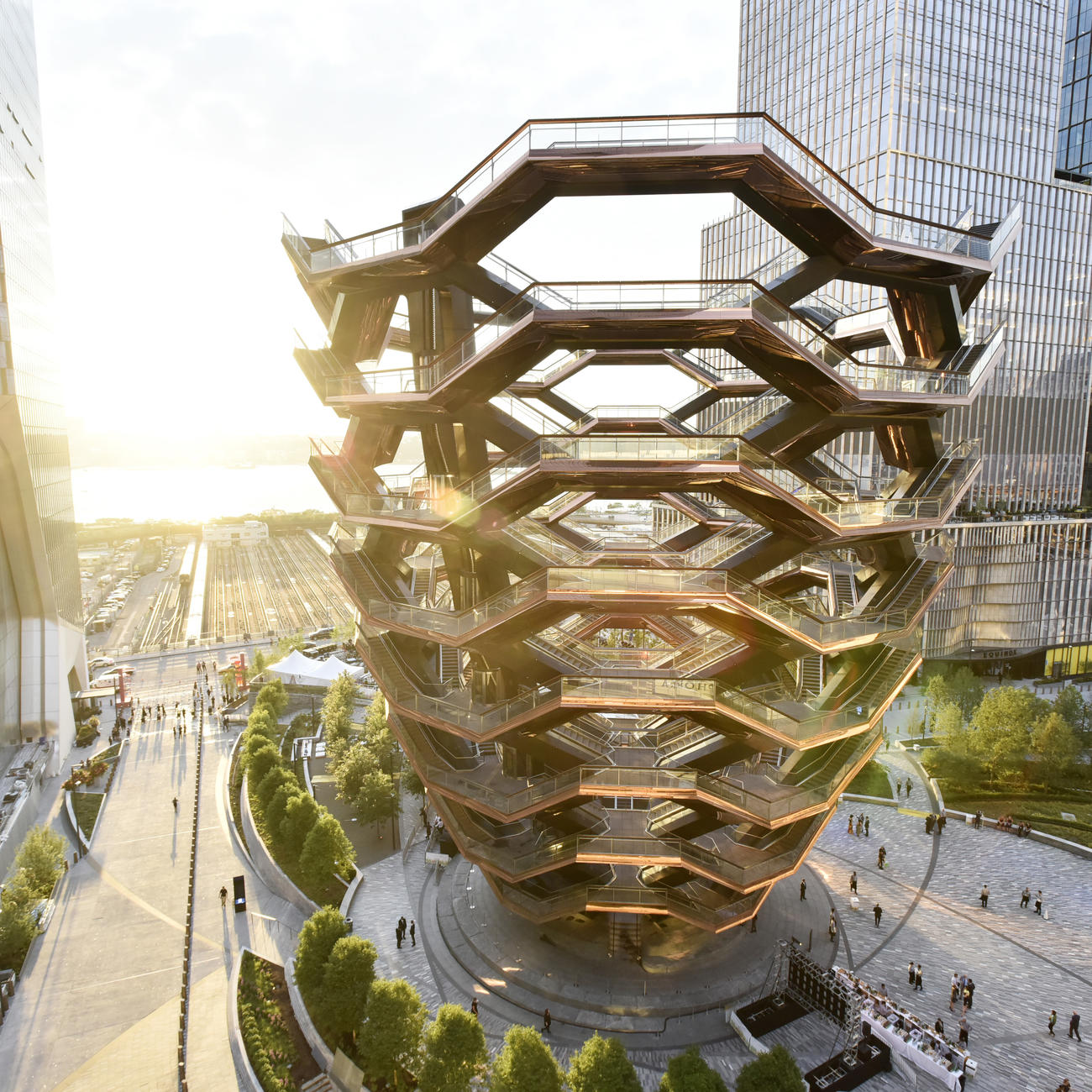
Hudson Yards is a 28-acre mixed-use development featuring retail, residential, office, and cultural spaces. It includes a digital infrastructure designed to monitor environmental controls, pedestrian traffic, and energy consumption.
Why it’s relevant: This development exemplifies how retail developers can create an immersive, tech-driven experience that integrates commerce, lifestyle, and innovation.
2. Westfield Valley Fair – Silicon Valley
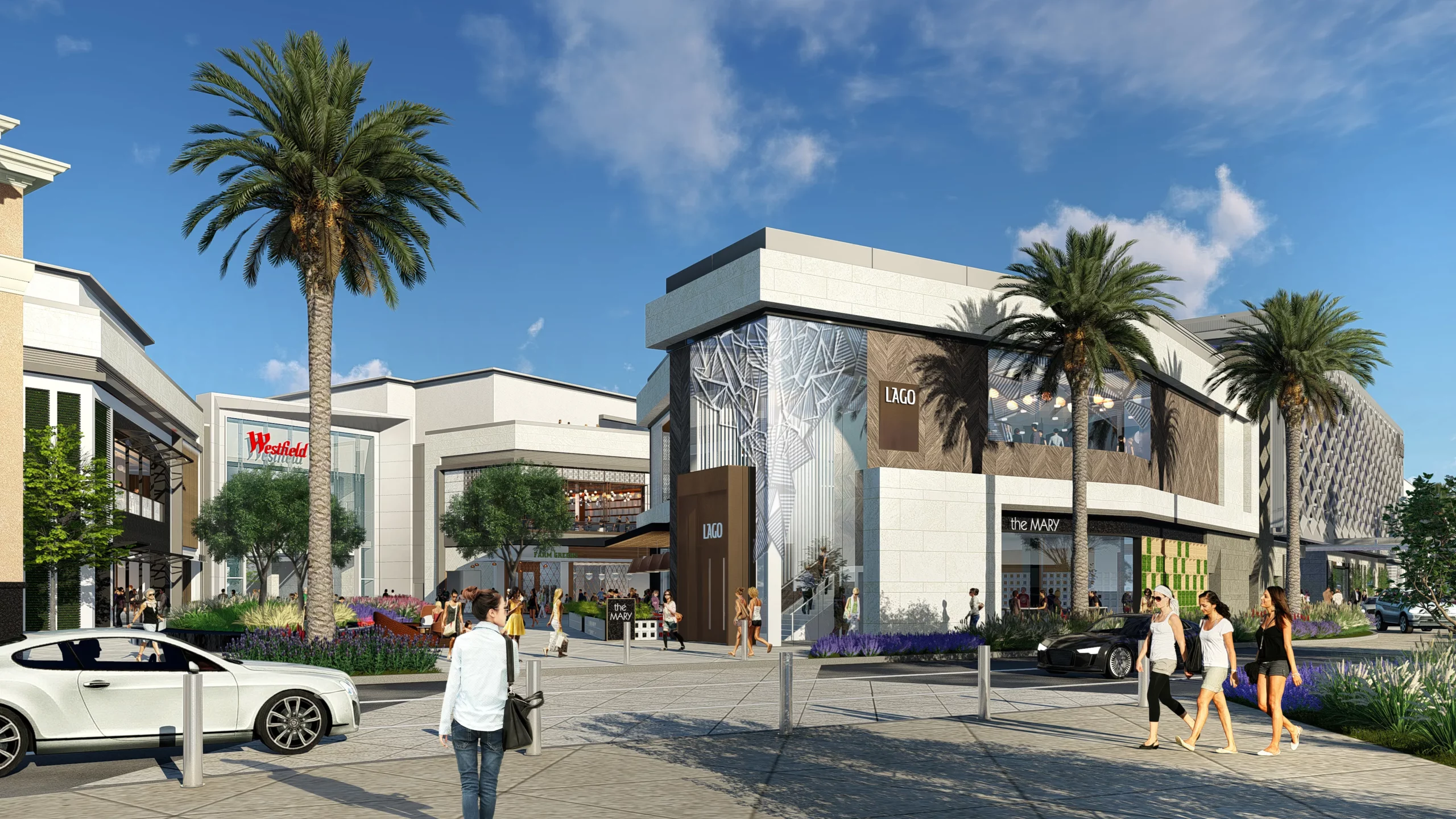
Westfield Valley Fair underwent a massive renovation to include digital screens, luxury dining options, smart parking systems, and an expanded selection of flagship stores with interactive experiences.
Why it’s relevant: This project showcases the shift toward experiential retail, where technology enhances both convenience and brand engagement.
3. American Dream – New Jersey
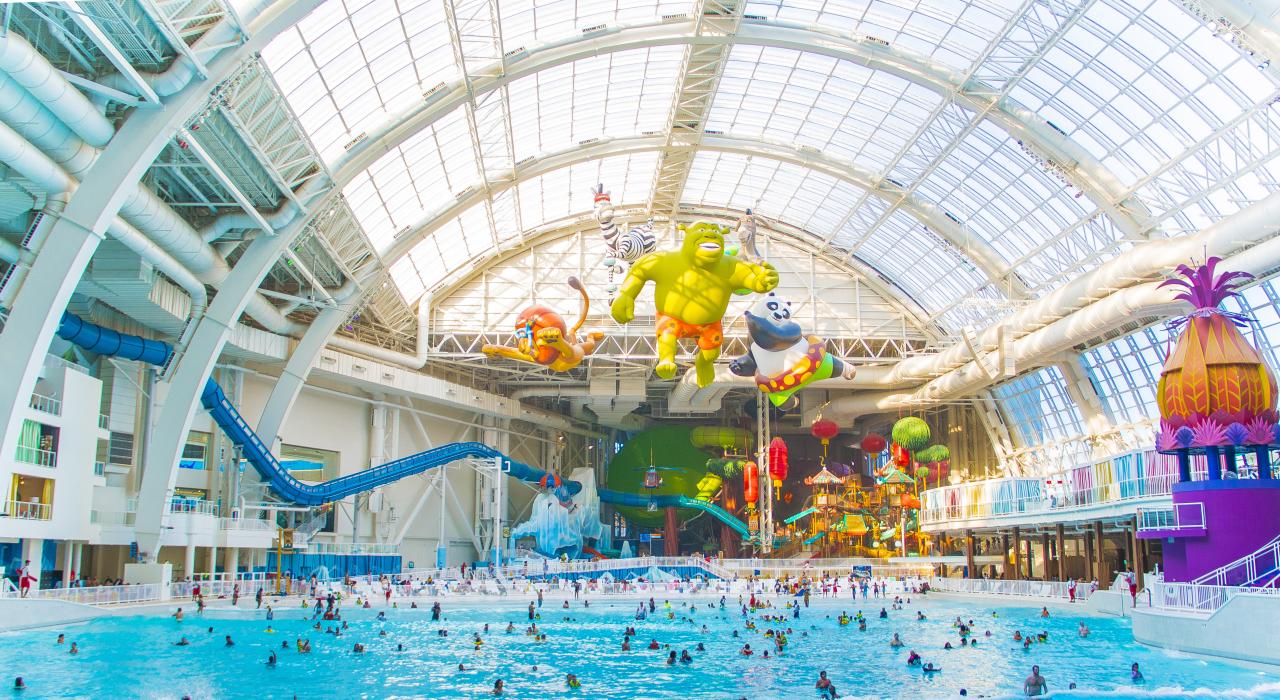
American Dream is a mega-complex blending shopping with entertainment. With indoor amusement parks, water parks, and luxury retail, the space represents a hybrid of commercial and experiential offerings.
Why it’s relevant: Retail developers here went beyond traditional formats to meet modern consumer demand for multifunctional, entertainment-rich environments.
4. The Grove – Los Angeles
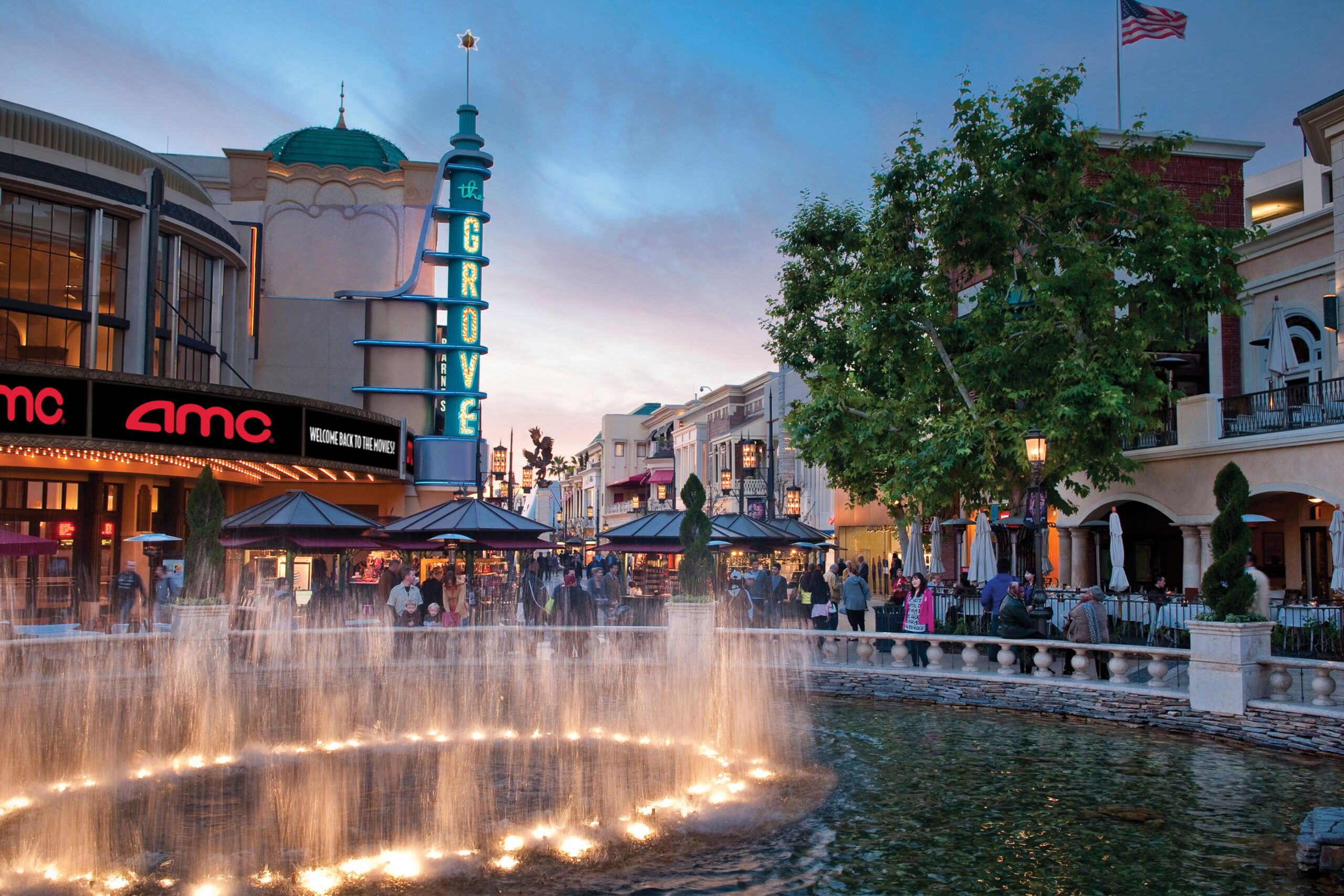
The Grove combines outdoor retail with entertainment and dining in a walkable, themed environment. Developers strategically integrated public spaces, transit access, and digital media elements.
Why it’s relevant: This development serves as a model for pedestrian-friendly, lifestyle-centered retail environments that thrive in urban settings.
5. Brickell City Centre – Miami
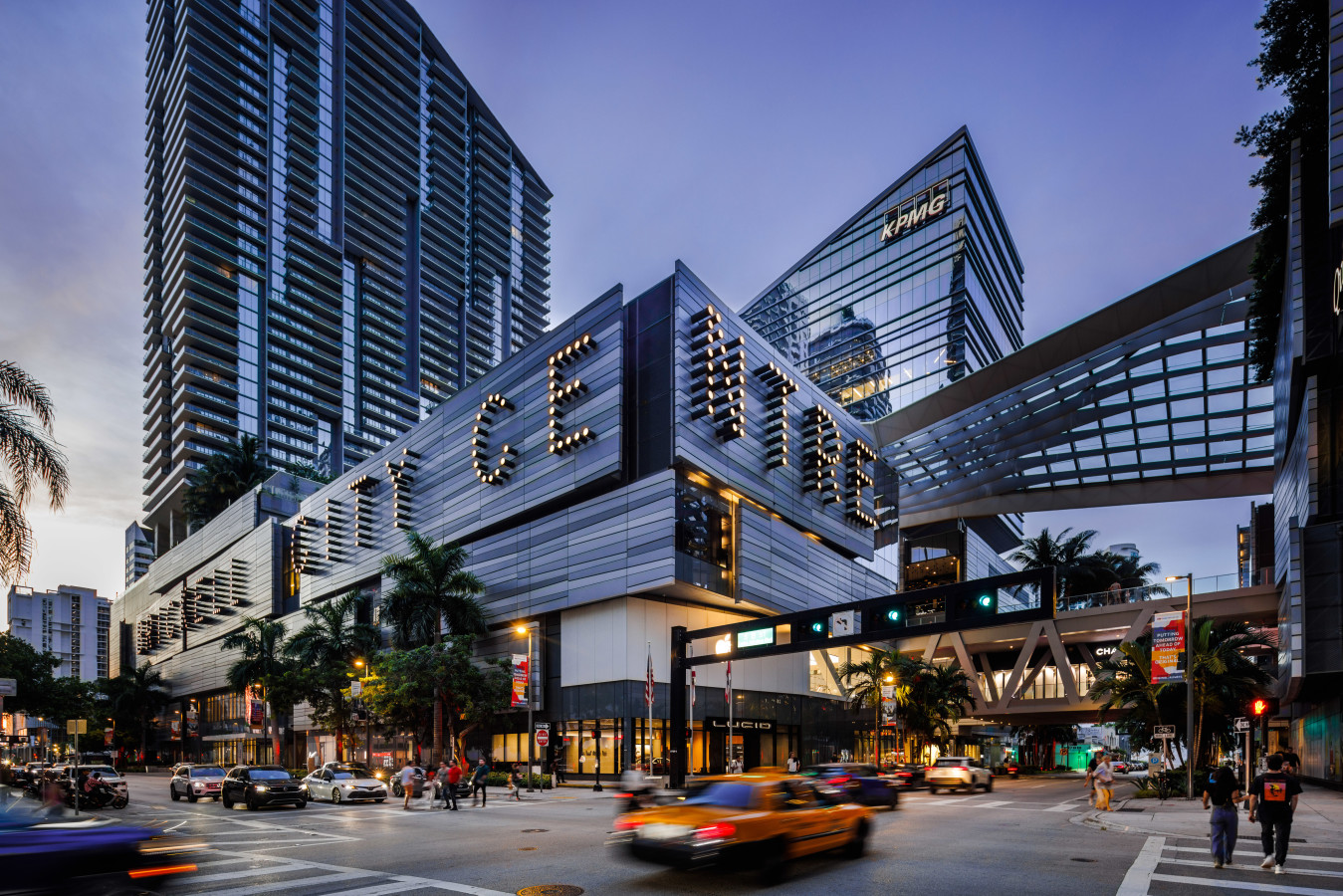
Brickell City Centre is a $1 billion mixed-use development with a focus on sustainability, including a climate ribbon that provides passive climate control while promoting energy efficiency.
Why it’s relevant: This project reflects the rising emphasis on sustainable design and urban integration in large-scale retail developments.
Key Benefits of Technology Integration for Retail Developers
Enhanced Tenant Retention
By offering smart infrastructure and integrated marketing platforms, developers attract and retain high-quality tenants who seek to provide advanced retail experiences.
Data-Driven Decision Making
Retail developers can analyze traffic flow, peak hours, and customer preferences through sensors and AI systems. This insight allows for better layout planning, lease pricing, and promotional strategies.
Energy Savings and Sustainability
Smart systems can reduce operational costs by automatically adjusting lighting, HVAC, and irrigation. These savings benefit both developers and tenants while contributing to environmental goals.
Personalized Consumer Engagement
Digital signage, interactive kiosks, and mobile integration allow brands to personalize interactions, making shopping more enjoyable and tailored to the user’s interests.
Competitive Advantage in Leasing
Developers who offer technologically advanced, user-centric spaces are more attractive to global retail brands looking for next-generation storefronts and flagship locations.
Use Cases: Real-World Problems Solved by Retail Developers
Revitalizing Failing Malls
Retail developers are transforming declining shopping centers into mixed-use hubs by incorporating co-working spaces, residential units, and entertainment venues. This not only rejuvenates the property but also attracts new demographics.
Enhancing Foot Traffic in Urban Environments
By integrating transit-oriented design, outdoor plazas, and public programming, developers can draw consistent traffic and create lively community anchors.
Supporting Local Businesses
Developers can incorporate modular pop-up spaces for local artisans and entrepreneurs, offering flexible lease terms and built-in marketing tools to support small business growth.
Adapting to Post-Pandemic Retail Needs
In response to the pandemic, retail developers are redesigning layouts to allow for social distancing, integrating contactless payment systems, and enhancing air filtration in enclosed spaces.
Facilitating Omni-Channel Shopping
Retail developers are enabling curbside pickup areas, smart lockers, and integrated delivery systems to support online-to-offline retail strategies, improving convenience for tech-savvy consumers.
Strategic Planning Considerations for Modern Retail Developers
Location and Demographics
Retail developers conduct in-depth market research to choose locations with the right demographic mix, income levels, and consumer trends. This analysis guides project scale, tenant selection, and marketing.
Zoning and Regulatory Compliance
Navigating municipal regulations and zoning laws is a critical aspect of successful development. Retail developers work with local authorities to ensure projects align with community planning.
Long-Term Property Management
Modern developers increasingly maintain a role in ongoing property management to protect long-term value, oversee smart system upgrades, and adapt the space to evolving consumer needs.
Frequently Asked Questions
Q1. What is the primary role of a retail developer?
A retail developer is responsible for planning, designing, financing, and managing commercial real estate projects that include retail components. They coordinate with architects, city planners, and tenants to create functional and profitable spaces.
Q2. How is technology changing retail development?
Technology is reshaping retail development through smart building systems, data analytics, digital signage, and sustainability solutions. These innovations enhance shopper experiences, reduce costs, and improve space utilization.
Q3. Can retail developers help revitalize older commercial areas?
Yes. Retail developers often take on urban renewal projects by repurposing outdated malls or strip centers into vibrant, mixed-use destinations that blend retail, living, and recreation.