Save Heat Energy: In-Depth Guide to Smart Strategies and Efficient Products for Long-Term Comfort
Heat energy loss is a major contributor to high utility bills and environmental waste in homes and buildings. Whether you’re aiming to reduce your carbon footprint, lower heating costs, or improve indoor comfort, learning how to save heat energy is essential. This guide explores the science, technology, and real-life applications that help homeowners retain warmth more efficiently.
What Does It Mean to Save Heat Energy?
Saving heat energy involves minimizing heat loss and optimizing the way warmth is generated, distributed, and retained in a living space. Homes lose heat through poorly insulated walls, roofs, floors, windows, and doors. Heating systems themselves can be inefficient if outdated or poorly maintained.
Effective heat energy conservation includes:
-
Improving insulation
-
Upgrading to smart climate control systems
-
Sealing air leaks
-
Using high-efficiency heating appliances
-
Applying reflective or thermal-resistant materials
Every small improvement contributes to a more energy-efficient home and reduces the need for excessive heating, which lowers both environmental impact and monthly energy bills.
Core Strategies to Save Heat Energy in Residential Buildings
Improve Home Insulation
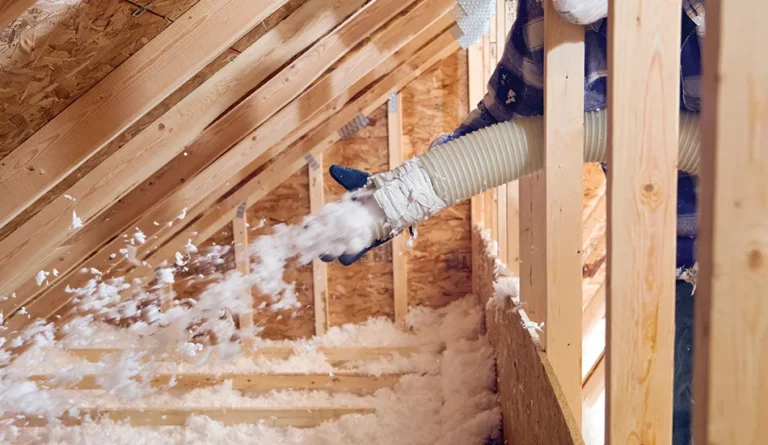
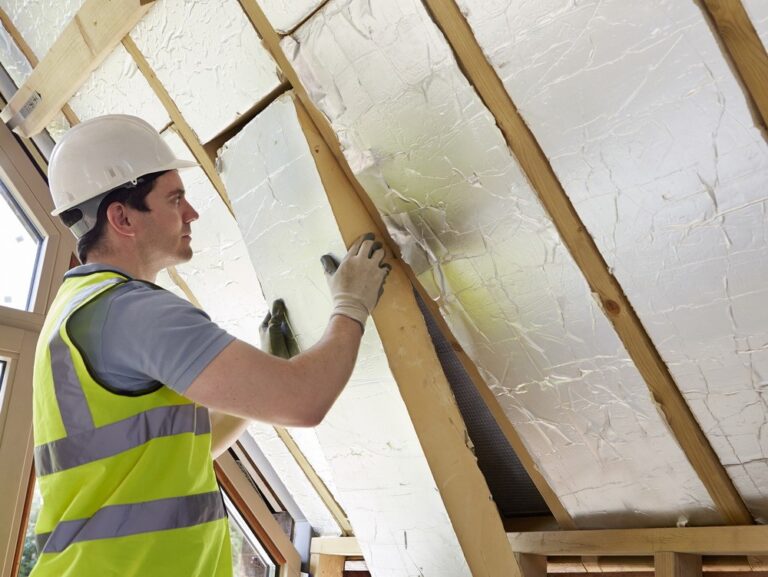
Insulation is the first and most important defense against heat loss. Wall cavity insulation, roof insulation, and floor insulation trap warmth inside, especially during colder seasons. Without sufficient insulation, up to 35% of heat can escape through the roof alone.
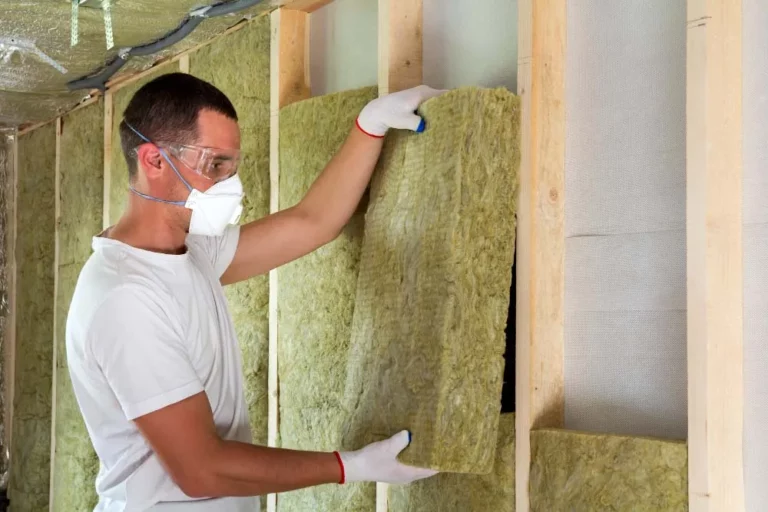
Mineral wool, foam boards, or reflective barriers can be used depending on the area of installation. In older homes, professional retrofitting may be necessary to bring insulation up to modern standards.
Seal Gaps and Cracks
Air leaks around windows, doors, vents, and pipework allow warm air to escape and cold air to enter. Simple measures like weather stripping, door sweeps, and caulking can significantly reduce this problem. This is often referred to as air sealing, and it complements insulation work by creating a tighter thermal envelope.
Install Smart Heating Controls
Smart thermostats and zoning systems help optimize heating schedules based on occupancy, outdoor temperatures, and user behavior. This ensures that energy isn’t wasted heating empty rooms or during times when no one is home.
For instance, zoning allows bedrooms to be heated at night while living areas are cooled, providing comfort while conserving heat energy.
Benefits of Using Technology to Save Heat Energy
Reduced Heating Bills Over Time
Smart technologies and efficient insulation reduce the amount of energy required to maintain warmth. Over time, the savings on heating bills can offset the initial investment in products or upgrades.
Enhanced Comfort and Temperature Control
Digital thermostats, zoning systems, and app-based controls offer precise temperature management. This avoids overheating or underheating, providing consistent comfort throughout the home.
Contribution to Lower Carbon Emissions
Using less energy directly reduces fossil fuel use. Homes that save heat energy help lower demand on the energy grid and reduce the household’s carbon footprint, aiding national and global climate goals.
Integration with Renewable Systems
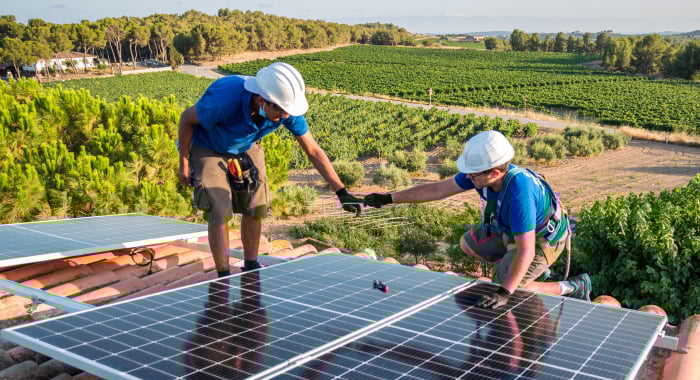
Modern heat-saving technologies are compatible with solar thermal systems, heat pumps, and smart home networks. This makes it easier to transition to renewable energy sources and maintain efficient heat management.
Extended Appliance Life
Efficient heating systems and thermostats reduce wear on boilers and HVAC units by operating them only when necessary. This extends their lifespan and reduces maintenance frequency.
Real-World Product Examples and Use Cases
1. Nest Learning Thermostat (by Google)
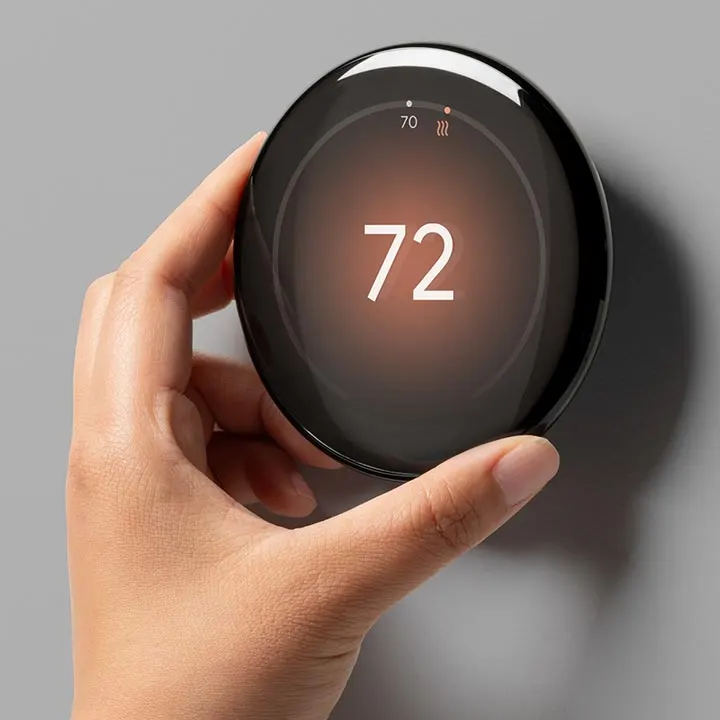
This smart thermostat learns user behavior and adjusts heating automatically based on occupancy and external weather conditions. It can be controlled via smartphone or voice assistants.
Why it’s relevant: Nest reduces heating energy usage by up to 15% annually through intelligent scheduling and real-time adjustments.
2. Ecobee Smart Thermostat with Sensors
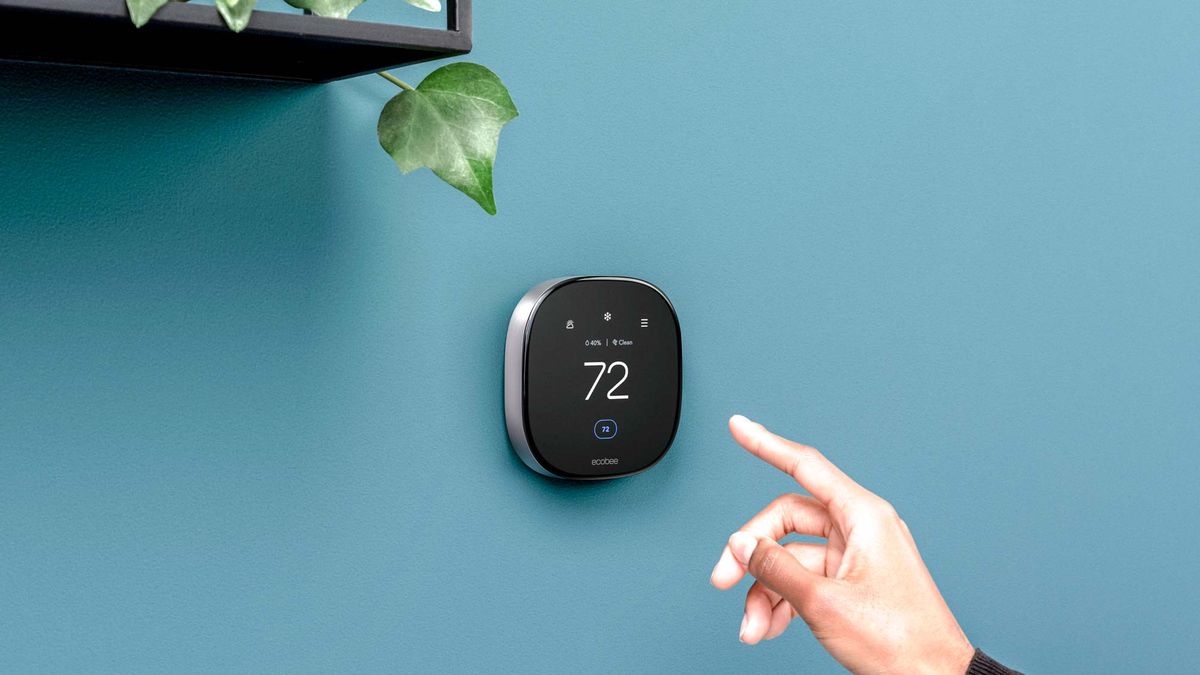
Ecobee comes with motion and temperature sensors for multiple rooms, allowing zoned heating and minimizing energy waste in unoccupied areas.
Why it’s relevant: This product supports homeowners who want greater control over room-specific heating while maximizing heat retention.
3. Reflective Radiator Panels
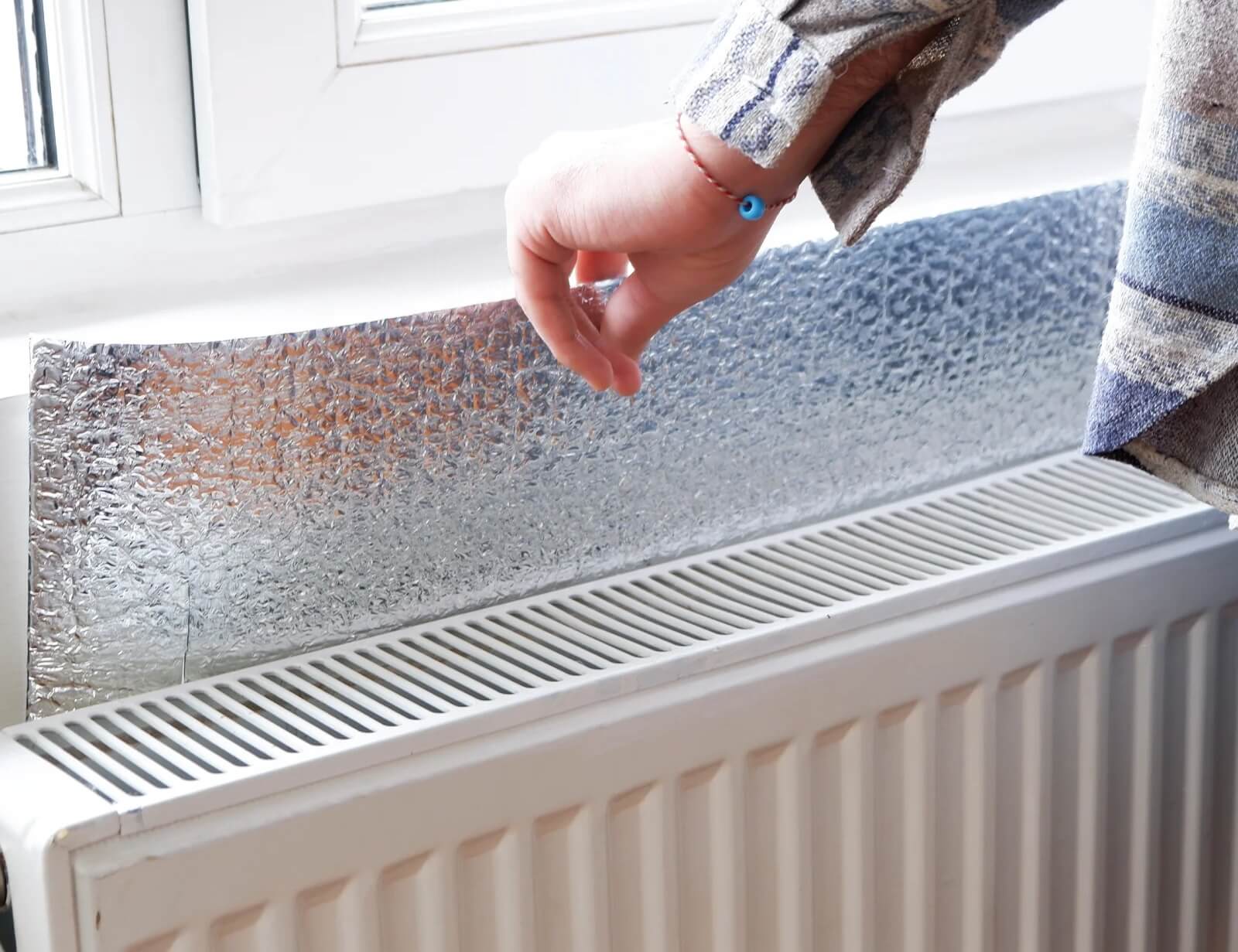
Installed behind radiators, these panels reflect heat into the room rather than letting it escape through external walls. They’re especially useful in older buildings with less insulation.
Why it’s relevant: This is a low-cost, effective way to improve radiator efficiency without modifying your heating system.
4. Triple-Glazed Windows
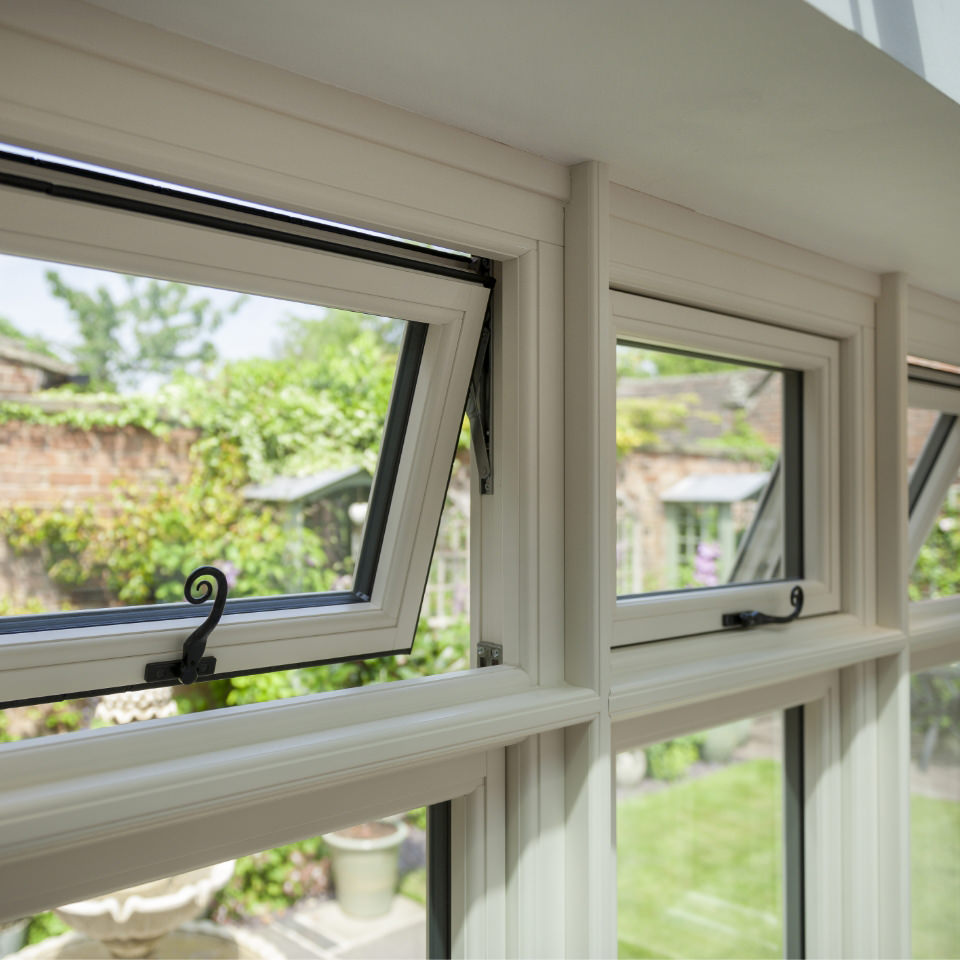
Triple glazing offers superior thermal insulation compared to single or double glazing. The design traps more heat indoors and reduces heat transfer through the glass.
Why it’s relevant: Windows are a major source of heat loss. Triple-glazed units significantly cut energy waste while improving acoustic insulation.
5. Honeywell Evohome Zoning System
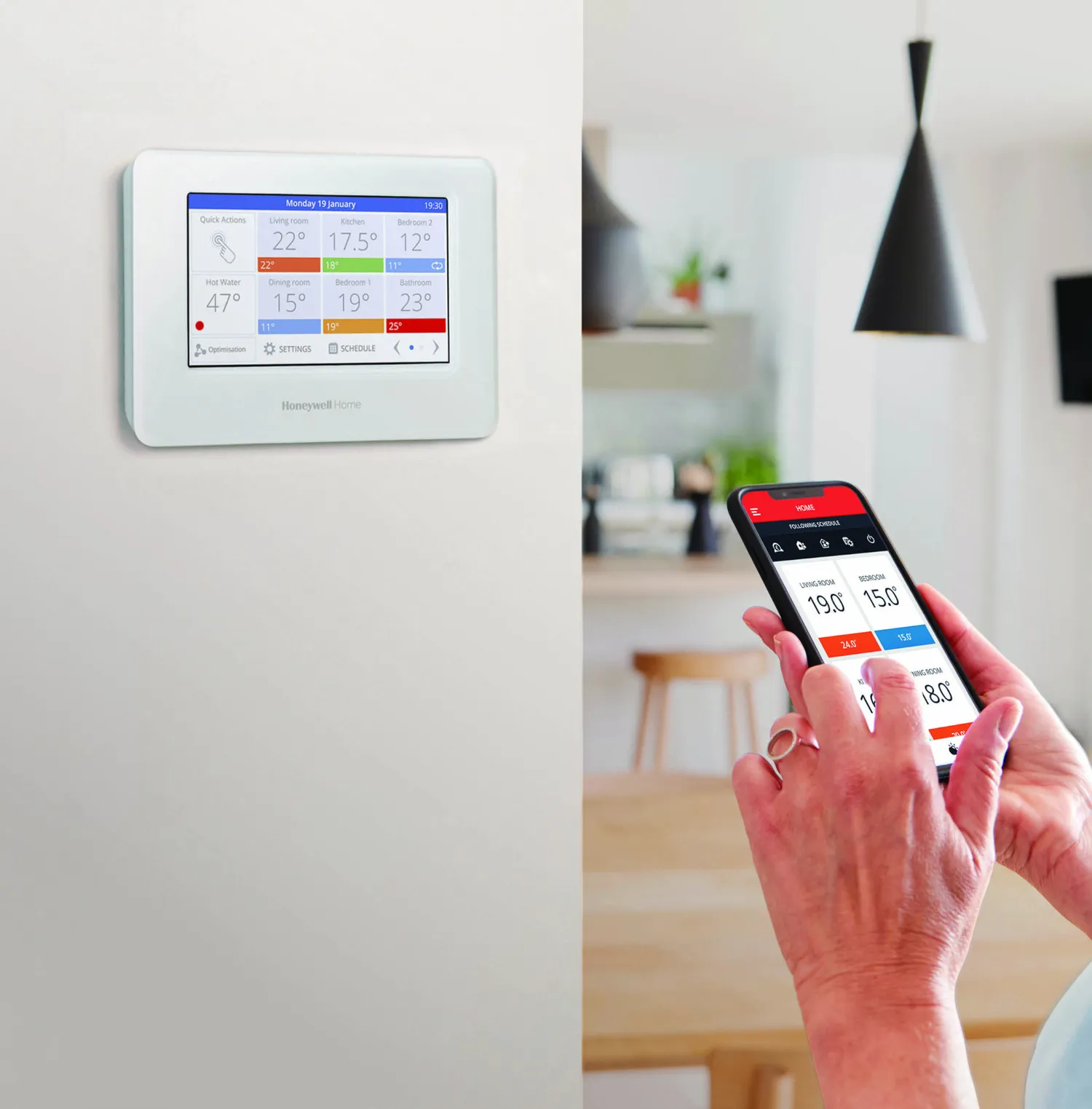
This smart zoning system allows you to control heating in up to 12 rooms independently. It uses smart sensors and wireless thermostatic radiator valves.
Why it’s relevant: Honeywell’s system is ideal for larger homes or families with varying heating needs across rooms and schedules.
Advantages of Saving Heat Energy in Practical Life
Energy Independence and Lower Demand Peaks
Homes that retain heat well place less demand on the national energy grid, especially during winter peaks. This not only benefits homeowners but also helps stabilize national energy consumption.
Better Resilience During Power Outages
A well-insulated and heat-retaining home stays warm longer during blackouts, especially important in colder climates or for vulnerable populations.
Improved Property Value
Energy-efficient homes are increasingly attractive to buyers. Features like insulated walls, efficient heating systems, and smart thermostats enhance resale value and can help achieve higher EPC ratings.
Reduced Moisture and Mold Risk
Proper insulation and controlled heating prevent cold spots where moisture can condense. This reduces the risk of dampness, mold growth, and associated health issues.
Noise Reduction Benefits
Many heat-saving measures, such as triple glazing and insulation upgrades, also block outside noise. This improves comfort in busy urban areas or homes near traffic.
Use Cases: Real-Life Problems Solved by Heat Energy Saving Solutions
Retrofitting Old Homes for Energy Efficiency
Older homes often suffer from poor insulation and outdated heating systems. By sealing gaps, upgrading to smart thermostats, and installing radiator reflectors, residents can drastically improve thermal performance without complete renovations.
Cost Reduction for Low-Income Families
Energy-efficient upgrades supported by local grants or programs allow families to reduce heating bills. Smart heating controls and insulation prevent energy waste and improve comfort on a limited budget.
New Builds Targeting Zero Carbon
Developers of modern homes are including advanced insulation, passive house design, and integrated smart heating systems from the start to minimize heat loss and comply with low-carbon building regulations.
Off-Grid or Remote Living
For properties in rural or off-grid areas, saving heat energy is essential due to limited energy access. Super-insulated buildings, passive solar gain, and smart heat retention technologies ensure warmth without heavy power demands.
Multi-Family Buildings with Shared Heating
Zoned smart heating systems and insulation upgrades in shared buildings reduce energy conflicts and help tenants maintain comfort without overloading shared systems or increasing communal heating costs.
Frequently Asked Questions
Q1. What’s the most effective way to save heat energy in a home?
The combination of proper insulation and smart heating control yields the best results. Sealing air leaks, insulating walls/roofs, and using a smart thermostat together significantly reduce heat loss and energy waste.
Q2. Do smart thermostats make a difference in heating efficiency?
Yes. Smart thermostats optimize heating based on your daily routine, outdoor temperatures, and occupancy. This ensures heat is only used when needed, which improves efficiency and lowers bills.
Q3. Can I save heat energy without doing major renovations?
Absolutely. Small actions like using draft excluders, applying radiator reflectors, sealing windows, and installing smart thermostats can collectively reduce heat loss without large construction work.